Symbolism · 1914
The Cyclops (Odilon Redon, 1914)
Odilon Redon (1840–1916) je izdelal The Cyclops. Zajema obdobje iz leta 1914. Spada v smer Symbolism. Del se nahaja v muzeju Kröller-Müller Museum v mestu Otterlo, Nizozemska. Dimenzije so 64 × 51 cm.
- 1914
- 64 × 51 cm
- Kröller-Müller Museum, Otterlo

 Predogled v realnem okolju

 Ročno izdelano oljno slikarstvo
 Pošlji
 Deli
 Informacijski list


 Prenesi sliko
 Podobni izdelki
 Rentgenski posnetek
 Predvajaj diaporama
 Vprašanja in odgovori

 Statistika
The Cyclops, na kratek
- Naslov
- The Cyclops
- Avtor
- Odilon Redon (1840–1916)
- Umetnik, rojen v
- Bordeaux, Francija
- Datum
- 1914
- Dimenzije
- 64 × 51 cm
- Kje je videti
- Kröller-Müller Museum, Otterlo, Nizozemska
- Gibanje
- Symbolism
- Tema
- cyclops, myth, polyphemus, galatea, dreamscape, giant
Kaj prikazuje The Cyclops?
A Dreamscape of Myth and Mystery: Odilon Redon’s *The Cyclops*
Odilon Redon's 1914 painting, *The Cyclops*, is not merely a depiction of the Greek myth; it’s an immersion into a profoundly personal and unsettling dream world. This arresting work, now residing in the Kröller-Müller Museum in the Netherlands, transcends simple narrative to become a potent exploration of isolation, longing, and the hidden depths of the human psyche – hallmarks of Redon's distinctive Symbolist style. The painting immediately draws the viewer into a scene both serene and profoundly unnerving, inviting contemplation long after initial observation.
At its heart lies Polyphemus, the one-eyed giant, rendered not as a monstrous brute but as a figure of quiet, almost melancholic observation. He dominates the upper register of the canvas, his colossal head emerging from behind a rugged mountain ridge, his single eye turned towards Galatea, the nymph asleep below. Redon masterfully employs a muted palette – predominantly earthy browns, greys, and ochres – punctuated by unexpected bursts of vibrant color in the hillside vegetation and the distant mountains. This strategic use of color isn’t merely decorative; it serves to heighten the painting's emotional resonance, creating an atmosphere of both mystery and unease.
The Language of Symbolism: Unpacking the Narrative
Redon’s choice to depict Polyphemus as a shy, almost hesitant observer is crucial to understanding the work’s symbolic weight. The myth itself centers on Polyphemus's violent pursuit of Galatea, but Redon subtly subverts this narrative. He presents a moment of quiet contemplation, suggesting a longing for connection that remains unfulfilled. The placement of Galatea asleep, blending seamlessly into the flowery hillside, reinforces this sense of vulnerability and isolation. The bird perched atop Polyphemus’s head adds another layer of complexity – perhaps representing a watchful spirit or a symbol of fleeting beauty.
Furthermore, Redon's background research into Japanese art heavily influenced his work during this period. The flattened perspective, the emphasis on suggestion rather than detailed representation, and the use of color to evoke mood are all hallmarks of Japonisme, a trend that profoundly impacted Symbolist artists. This influence is particularly evident in the painting’s atmospheric quality and its ability to transport the viewer into a realm beyond the purely representational.
Technique and Artistic Process
*The Cyclops* was executed on board, then mounted onto wood – a technique characteristic of Redon's later work. The artist utilized oil paints, layering them with meticulous care to achieve the painting’s remarkable depth and luminosity. Redon’s signature style involved building up layers of paint, often obscuring previous strokes beneath subsequent ones, creating a textured surface that invites close examination. This technique contributes significantly to the painting's dreamlike quality, as if it were emerging from a hazy memory.
Interestingly, Redon’s artistic journey was marked by shifts in style. Initially working primarily in charcoal and lithography (his “noirs”), he later embraced pastel and oil, abandoning his earlier monochrome approach. *The Cyclops* represents a pivotal moment in this evolution, showcasing Redon's mastery of color and his ability to translate the intangible realms of imagination into tangible form. The painting’s enduring power lies not just in its depiction of a mythological scene but also in its profound exploration of human emotion and the mysteries of the subconscious.
A Timeless Masterpiece for Collectors and Designers
OriginalUniqueArt offers meticulously crafted, hand-painted reproductions of *The Cyclops*, allowing you to bring this captivating artwork into your home or office. Our skilled artists replicate Redon’s unique style with exceptional detail and accuracy, ensuring that the painting's atmosphere and symbolic richness are faithfully preserved. Whether you are an art enthusiast, a collector seeking a significant addition to your collection, or an interior designer looking for a statement piece, our reproduction of *The Cyclops* provides a beautiful and authentic representation of this iconic Symbolist masterpiece.
V katerem muzeju se nahaja The Cyclops?
Kröller-Müller Museum
Otterlo, Nizozemska
Zgodovina in izv roots Kröller-Müller Museum Kröller-Müller Museum se je rodil iz edinstvene vizije Helene Kröller-Müller, nemške umetničke zbirateljke, rodote na 11. februarju 1869. Institucija je bila ustanovljena na obsežnih lastnini, ki je nekdočas prebivala Helene in njen mož Anton Kröller.


Visokoresolucijske slike dela The Cyclops

Javna lastnina: umetnik je umrl leta 1916.
Druge velikosti, izrezave in citiranje →Odilon Redon, The Cyclops (1914), Kröller-Müller Museum. Javna lastnina
Odgovori na vprašanja o The Cyclops
V katerem muzeju se nahaja original dela "The Cyclops"?
Originalno delo "The Cyclops" avtorja Odilon Redon se nahaja v muzeju Kröller-Müller Museum, Otterlo, Nizozemska. Reprodukcija omogoča, da ta sklad prikazujete tudi v svojem domu.
Kdaj je bilo ustvarjeno "The Cyclops"?
"The Cyclops" izvira iz 1914. Ta datum delo situira v okvir Odilon Redonove kariere in obdobja, v katerem je nastalo.
Kakšnih je originalnih dimenzij "The Cyclops"?
Dimenzije originalnega dela "The Cyclops" avtorja Odilon Redon so 51 x 64 cm.
Katere teme se pojavljajo v delu "The Cyclops" avtorja Odilon Redon?
Motivi dela "The Cyclops" so cyclops, myth, polyphemus, galatea, dreamscape, giant, serenity, landscape.
Ali je delo "The Cyclops" avtorja Odilon Redon v javni lastini?
"The Cyclops" avtorja Odilon Redon je v javni domeni (v javni domeni – avtorska pravica je zastarela). Ta status določa način, kako se lahko slika dela reproducira.
Kdo je avtor dela "The Cyclops"?
"The Cyclops" pripisujemo Odilon Redon.
V kateri umetniški smer spada "The Cyclops" avtorja Odilon Redon?
Umetnostni smer, ki jo zastopa "The Cyclops" avtorja Odilon Redon, je Symbolism. Ta klasifikacija delo uvršča med sorodne umetnike in umetniška dela.
V katero obdobje kariere Odilon Redon pripada delo "The Cyclops"?
"The Cyclops" predstavlja Late Period umetnika Odilon Redon.
Koliko je bil Odilon Redon let, ko je nastalo delo "The Cyclops"?
Odilon Redon je bil/a star/a 74 let, ko je ustvaril/a "The Cyclops" leta 1914. Starost je izračunana na podlagi leta rojstva umetnika, 1840.
O umetniku, Odilon Redon

1840–1916, Francija
Odilon Redon
Mladost, družina in izobraževanje Ko se je 20. april 1840 v Bordeauxu v regiji Akvitanija rodil Bertrand-Jean Redon, je v svet, ki ga je oblikovala njegova družinska izrute, stopil fant, ki bo kasneje postal znan kot Odilon Redon. Njegova mama, Marie Guérin, je bila francoska kreolka z otoka Île Bourbon, prav iz njenega imena pa je kasneje pridobil svoj izbrani umetniški psevdonim. Še v mladosti je bila vidna njegova vizualna nadutnost; že pri desetih letih je v šoli prejel nagrado za risanje, kar je bil majhen triumf, ki je napovedal občutljivost, ki jo bo pozneje vnesel v svoje delo.
Tudi dela avtorja Odilon Redon
 Kiklops1914
 The Black Pegasus
 Woman and Centaur1900
 Saint Sebastian1900

Eseji o delu The Cyclops
 10 mojstrovin impresionizma: Umetniški geniji in lepota svetlobe | OriginalUniqueArt.siOdkrijte 10 mojstrovin impresionizma – Monet, Renoir, Degas & drugi! Preberite zgodbe za ikonami gibanja in svetlobo v slikarstvu. Reproduk…
 Hidden Narratives: Interpreting the Symbolic Language of Impressionist and Post-Impressionist ArtDiscover the hidden symbols and emotional depth within Impressionist masterpieces. Explore the soul behind the light today.
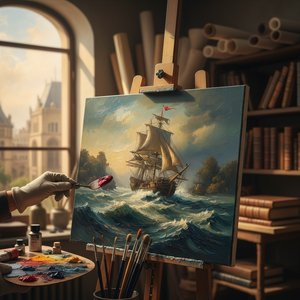 The Enduring Legacy of Oil on Canvas: Technique, History & Aesthetic ImpactExplore the rich history & techniques of oil painting – from Renaissance masters to Impressionism. Discover pigments, layering methods, and…