Russian Modernism · 1922
Samarkand Sultan (Léon Bakst, 1922)
Léon Bakst (1866–1924) je izdelal Samarkand Sultan. Zajema obdobje iz leta 1922. Spada v smer Russian Modernism. Izdelano je iz Ink On Paper.
- 1922
- Ink On Paper

 Predogled v realnem okolju

 Ročno izdelano oljno slikarstvo
 Pošlji
 Deli
 Informacijski list


 Prenesi sliko
 Podobni izdelki
 Rentgenski posnetek
 Predvajaj diaporama
 Vprašanja in odgovori

 Statistika
Samarkand Sultan, na kratek
- Naslov
- Samarkand Sultan
- Avtor
- Léon Bakst (1866–1924)
- Umetnik, rojen v
- Grodno, Belorusija
- Datum
- 1922
- Tehnika
- Ink On Paper
- Gibanje
- Russian Modernism
- Obdobje
- Modern
- Tema
- eastern costume, ornate design, theatrical figure, stylized portrait, vibrant colors, russian culture
Kaj prikazuje Samarkand Sultan?
A Study in Grandeur
In this 1922 work, we encounter a figure of quiet authority, a Samarkand Sultan rendered with a graphic precision that feels both ancient and modern. The subject is centered, filling the frame with a verticality that commands attention without needing to shout. He is draped in a robe of deep reds and blues, a garment defined by its intricate geometric patterns—triangles, diamonds, and stripes that dance across the fabric. There is a certain stillness in his expression, a tranquil gaze that suggests a man accustomed to the weight of his own status. His dark beard is long and neatly kept, providing a sharp contrast to the luminous colors of his attire.
The composition relies on a sophisticated layering of shapes and colors to create a sense of presence. While the perspective remains somewhat flattened, reminiscent of theatrical sketches or costume studies, the use of shading gives the figure a tangible, sculptural quality. The light appears to fall from above, catching the edges of his elaborate headwear and the subtle folds of his sleeves.
The Language of Ornament
The detail in the Sultan's attire reveals a meticulous approach to pattern and texture. The artist uses line and color to suggest materials that one can almost feel through the visual surface:
- A large turban adorned with blue and white beads and a singular, striking white feather.
- Sleeves and hems lined with a soft, heavy fur that adds a sense of tactile luxury.
- A complex arrangement of geometric motifs that break up the saturated fields of color.
This work belongs to the Art Nouveau movement, a period where the boundaries between fine art and decorative design often blurred. The influence of Orientalism is palpable here, not as a mere imitation of the East, but as a way to explore new visual languages through exotic silhouettes and intense color palettes. The use of ink and watercolor allows for a certain fluidity, where bold outlines meet softer, shaded transitions.
A Vision of the Stage
There is an inherent theatricality to this piece, as if we are catching a glimpse of a character just before the curtain rises. The stylized forms and exaggerated features move away from photographic realism, opting instead for a heightened sense of character. It feels less like a portrait of a specific historical individual and more like an exploration of an idea—the idea of power, of ceremony, and of the exotic. The emotional weight of the piece lies in this tension between the graphic, almost two-dimensional quality of the illustration and the profound sense of dignity held in the subject's eyes.
Visokoresolucijske slike dela Samarkand Sultan
Javna lastnina: umetnik je umrl leta 1924.
Léon Bakst, Samarkand Sultan (1922). Javna lastnina
Odgovori na vprašanja o Samarkand Sultan
Kateri je datum nastanka dela "Samarkand Sultan" avtorja Léon Bakst?
"Samarkand Sultan" izvira iz 1922. Ta datum delo situira v okvir Léon Bakstove kariere in obdobja, v katerem je nastalo.
S katero tehniko je bila izdelana skladba "Samarkand Sultan" avtorja Léon Bakst?
Léon Bakst je za delo "Samarkand Sultan" uporabil/a tehniko Ink On Paper. Ta tehnika opredeljuje materialno naravo izvirnega dela.
Kaj predstavlja "Samarkand Sultan"?
"Samarkand Sultan" avtorja Léon Bakst prikazuje: eastern costume, ornate design, theatrical figure, stylized portrait, vibrant colors, russian culture, decorative art.
Ali je "Samarkand Sultan" v javni domeni?
Status avtorskih pravic za "Samarkand Sultan" avtorja Léon Bakst: del je v javni domeni – avtorska pravica je zastarela. To določa, ali se lahko reprodukcije slike izdelujejo prosto.
Kdo je avtor dela "Samarkand Sultan"?
Avtor dela "Samarkand Sultan" je Léon Bakst. Del je katalogiran pod imenom Léon Bakst.
V kateri umetniški smer spada "Samarkand Sultan" avtorja Léon Bakst?
"Samarkand Sultan" je del umetniškega sloga Russian Modernism, ki predstavlja umetniško tradicijo, v katero je delo vključeno.
V katero obdobje umetnostnega razvoja Léon Bakst pripada delo "Samarkand Sultan"?
"Samarkand Sultan" predstavlja Early Modernism umetnika Léon Bakst.
Koliko je bil Léon Bakst star ob ustvarjanju dela "Samarkand Sultan" leta 1922?
Ko je bilo delo "Samarkand Sultan" ustvarjeno leta 1922, je bil Léon Bakst – rojen leta 1866 – star 56 let.
Ali je delo "Samarkand Sultan" avtorja Léon Bakst v javni lastini in zakaj?
Status avtorske pravice za "Samarkand Sultan" – v javni domeni – avtorska pravica je zastarela – izhaja iz smrti umetnika v letu 1924.
O umetniku, Léon Bakst
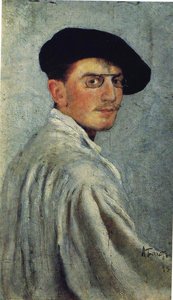
1866–1924, Belorusija
Léon Bakst
Zgodna mladost in seme umetniškega upora Rodjen kot Lejb-Hajm Izrailevič Rosenberg leta 1866, v graničnem območju v Grodno—mestu, ki je takrat pripadalo Rusko imperiju—je bila pot Léona Baksta do umetniškega znamenja prevzemujoča zgodba, prepletena z vročino vrodenega talenta in družbenimi omejitvami. Njegova družina, čeprav je pripadala suverenem srednjemu razredu, je imela povezave s cesarskim dvorom preko njegovega dedka, slavnega krojača, ki je užival v patronski zaščiti tsara. Ta ozadje je mlademu Lejbu vdel globoko zavedanje o kulturnih niancah in zgodnjo strast do risanja, kar se je jasno pokazalo že pri dvanajstih letih, ko je zmagal na tekmovanju. Vendar pa se je ta vzrastajoča umetniška nagnjenost sprva soočila s motnjami staršev, ki so oklevali sprejeti tako nekonvencionalno pot.
Tudi dela avtorja Léon Bakst
 Oblikovanje z lepilnimi vrstičkami
 Operatic costume designs1911
 Costume design for the ballet ''Cleopatra''1909
 Drawing young divinity Narcisse costume, ballet Diaghilev1911
Eseji o delu Samarkand Sultan
 The Soft Soul of Art: Exploring the Tactile Beauty and Timeless Narrative of Textile MasterpiecesEmbark on a sensory journey through the tactile beauty of textile art. Explore how thread, silk, and loom weave human history, from ancient…
 French artworks of the 1860s1860s French masterpieces by Édouard Manet, Claude Monet, and Gustave Courbet. View the full collection online at OriginalUniqueArt.com.
 Masterpieces of Emotion: The Top 25 Artworks by Théodore GéricaultExplore 25 iconic works by Théodore Géricault, from Romanticism to his greatest masterpieces. Discover the full collection on OriginalUniqu…