Fauvism · 1923
Nude (André Derain, 1923)
André Derain (1880–1954) je izdelal Nude. Zajema obdobje iz leta 1923. Spada v smer Fauvism. Izdelano je iz Oil On Canvas. Dimenzije so 44 × 58 cm.
- 1923
- Oil On Canvas
- 44 × 58 cm

 Predogled v realnem okolju

 Ročno izdelano oljno slikarstvo
 Pošlji
 Deli
 Informacijski list


 Prenesi sliko
 Podobni izdelki
 Rentgenski posnetek
 Predvajaj diaporama
 Vprašanja in odgovori

 Statistika
Nude, na kratek
- Naslov
- Nude
- Avtor
- André Derain (1880–1954)
- Umetnik, rojen v
- Chatou, Francija
- Datum
- 1923
- Tehnika
- Oil On Canvas
- Dimenzije
- 44 × 58 cm
- Gibanje
- Fauvism
- Obdobje
- Modern
- Tema
- woman, nude, female figure, grayscale, seated woman
Kaj prikazuje Nude?
Identification of the Nude by André Derain
In this 1923 work, titled Nude, André Derain turns his attention to the quietude of the human form. The painting presents a nude female figure, captured in a moment of stillness that invites a closer, more intimate observation. It is a study of presence and form, rendered with a focus on the essential character of the subject.
The artist, André Derain, approaches the figure with a sense of restraint. Rather than relying on the loud, unmixed hues of his earlier Fauvist period, this piece reflects a more disciplined sensibility. The subject is seated and facing forward, occupying the central space of the composition. There is a certain gravity to her pose, suggesting a state of introspection or perhaps a quiet contemplation of her surroundings.
This work belongs to a period in the artist's career where structure and form began to take precedence. The figure is defined by simplified shapes and a deliberate use of line. It is a direct encounter with the subject, stripped of unnecessary distraction, allowing the viewer to focus entirely on the weight and volume of the female form as it exists within the frame.
Composition and Visual Elements
The figure is centrally positioned within the frame, creating a quiet sense of balance that draws the eye immediately to the subject. She is seated in a moment of stillness, her pose defined by arms crossed and resting upon her legs. This arrangement suggests a state of introspection or perhaps a simple, unhurried relaxation. The composition avoids complex spatial arrangements, opting instead for a relatively flat perspective that lacks a strong sense of depth, keeping the viewer's attention fixed on the immediate presence of the form.
There is a deliberate simplification in how the human form is rendered. The artist employs simplified geometric shapes to represent the body, using curves to trace the silhouette while sharper angles define the features of the face, such as the nose and eyebrows. This structural approach gives the figure a certain weight and presence despite the lack of environmental detail. The background remains largely undefined, which serves to isolate the subject and emphasize the contours of her body.
The palette is strictly monochromatic, relying on a controlled range of shades including gray, white, and black. Rather than using color to create volume, the artist uses subtle variations in tone to model the figure. Strong, visible brushstrokes define the contours of the body and the facial features. These lines are not blended into smooth transitions; instead, they retain an individual character that adds a tactile energy to the surface. The interplay between these textured strokes and the softer areas of the skin creates a visual rhythm that is both disciplined and expressive.
Technique and Material Details
This work is an oil on canvas, executed with a deliberate and tactile approach to the medium. The artist employs visible brushstrokes that remain unblended in many areas, creating a surface defined by its physical texture. These marks are not merely marks of application but are essential to the structural definition of the figure, providing a sense of energy and movement across the form.
There is a clear evidence of layering and careful blending used to achieve subtle tonal variations. This technique allows for a nuanced transition between light and shadow, giving the subject a sense of volume and presence. The interplay of these layers creates a depth that relies on the weight of the paint rather than a reliance on linear perspective. The result is a surface where the materiality of the oil paint is as much a part of the composition as the subject itself.
Visokoresolucijske slike dela Nude

Javna lastnina: umetnik je umrl leta 1954.
Druge velikosti, izrezave in citiranje →André Derain, Nude (1923). Javna lastnina
Odgovori na vprašanja o Nude
Kateri je datum nastanka dela "Nude" avtorja André Derain?
"Nude" avtorja André Derain je nastalo leta 1923.
い哪種媒介是用來創作 "Nude" avtorja André Derain 的?
"Nude" je izdelano z uporabo tehnike Oil On Canvas.
Kakšnih je originalnih dimenzij "Nude"?
Originalne dimenzije dela "Nude" znašajo 44 x 58 cm. Prvotne mere so koristna referenca pri izbiri velikosti reprodukcije.
Katere teme se pojavljajo v delu "Nude" avtorja André Derain?
Tematika v delu "Nude" avtorja André Derain vključuje woman, nude, female figure, grayscale, seated woman, ki skupaj predstavljajo vsebino umetninškega dela.
Ali se lahko slika "Nude" avtorja André Derain prosto reproducira?
"Nude" avtorja André Derain je v javni domeni (v javni domeni – avtorska pravica je zastarela). Ta status določa način, kako se lahko slika dela reproducira.
Kdo je avtor dela "Nude"?
"Nude" pripisujemo André Derain.
V kateri umetniški smer spada "Nude" avtorja André Derain?
"Nude" je del umetniškega sloga Fauvism, ki predstavlja umetniško tradicijo, v katero je delo vključeno.
V katero obdobje André Derainove kariere spada delo "Nude"?
"Nude" predstavlja Return to order umetnika André Derain.
Koliko je bil André Derain star ob ustvarjanju dela "Nude" leta 1923?
Ko je bilo delo "Nude" ustvarjeno leta 1923, je bil André Derain – rojen leta 1880 – star 43 let.
O umetniku, André Derain
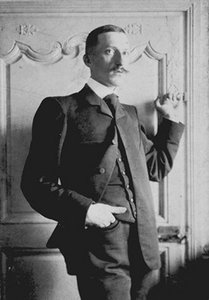
1880–1954, Francija
André Derain
Z early life, družina in izobraževanje Leta 1880 se je v Chatouju, voču v regiji Yvelines v Franciji, rodil André Derain. Njegovo zgodnje obdobje je oblikovalo mirno pokrajine Île-de-France, kjer se je v njem začela razvijati naravna radovednost do okolice. Do leta 1895 je že začel samostojno raziskovati umetnost, saj je želel vizualni svet razumeti skozi svoje oči, ne pa skozi formalno poučanje. To obdobje samostojnega raziskovanja mu je omogočilo razvoj osebnega načina opazovanja, preden bi mu stroga pravila akademije lahko naložila svojo voljo.
Tudi dela avtorja André Derain
 bathers1907
 London Bridge1906
 Charing Cross from sw1906
 Landscape at L'Estaque1906
Eseji o delu Nude
 French artworks of the 1920sIconic French works by Matisse and Léger define the 1920s. Explore the full collection online at OriginalUniqueArt.com.
 The Evolving Human Form: Tracing Light and Flesh from Impressionism to Post-ImpressionismExplore the evolution of the human form from academic realism to Post-Impressionism. Trace the history of light and flesh with us.
 The Architecture of Stillness: A Curated Study of Seated Figures in Art HistoryExplore the psychological depth of seated figures from Rembrandt to Roman realism. Discover the secrets of art history now.