1872
Thermopylae (Edward Lear, 1872)
Edward Lear (1812–1888) je izdelal Thermopylae. Zajema obdobje iz leta 1872. Del se nahaja v muzeju Muzej umetnosti in arheologije Ashmolean v mestu Oxford, Združeno kraljestvo. Dimenzije so 34 × 54 cm.
- 1872
- 34 × 54 cm
- Muzej umetnosti in arheologije Ashmolean, Oxford

 Predogled v realnem okolju

 Ročno izdelano oljno slikarstvo
 Pošlji
 Deli
 Informacijski list


 Prenesi sliko
 Podobni izdelki
 Rentgenski posnetek
 Predvajaj diaporama
 Vprašanja in odgovori

 Statistika
Thermopylae, na kratek
- Naslov
- Thermopylae
- Avtor
- Edward Lear (1812–1888)
- Umetnik, rojen v
- Highgate, Združeno kraljestvo
- Datum
- 1872
- Dimenzije
- 34 × 54 cm
- Kje je videti
- Muzej umetnosti in arheologije Ashmolean, Oxford, Združeno kraljestvo
- Obdobje
- 19th Century
- Tema
- landscape, mountains, nature, people, vista, outdoors
Kaj prikazuje Thermopylae?
A Vista of Eternal Grandeur
In his 1872 masterpiece, Thermopylae, Edward Lear invites the viewer to step beyond the boundaries of the everyday and into a realm where the majesty of the earth meets the quiet contemplation of the human spirit. The painting presents a breathtaking panorama, capturing a group of figures perched upon a verdant hilltop, their gazes lost in the infinite expanse of a distant mountain range. There is a profound sense of scale at play here; the vastness of the horizon serves as a silent protagonist, dwarfing the small assembly of people while simultaneously connecting them to the ancient, rugged landscape. Lear, a master of capturing both the whimsical and the sublime, uses this composition to explore the delicate equilibrium between humanity and the untamed natural world.
The technique employed in this work reflects the exquisite precision characteristic of the Victorian era's fascination with landscape realism. Through a masterful application of light and shadow, Lear breathes life into the undulating terrain, creating a sense of depth that pulls the eye from the textured foreground toward the hazy, ethereal peaks of the far distance. The brushwork, while controlled, possesses an organic fluidity that mimics the movement of wind through the valleys and the soft diffusion of light across the mountain slopes. For the discerning collector or interior designer, this piece offers a sophisticated interplay of color and atmosphere, making it an ideal focal point for spaces that require a sense of tranquility and intellectual depth.
The Soul of the Landscape
Beyond its visual splendor, Thermopylae resonates with a deep emotional intelligence. The figures within the scene are not merely spectators; they are embodiments of awe. Their presence imbues the landscape with a narrative of shared experience and quiet reverence. There is an inherent symbolism in the choice of the Thermopylae setting—a location steeped in historical weight—yet Lear strips away the violence of conflict to focus on the enduring, peaceful permanence of the earth itself. The painting suggests that even amidst the fleeting nature of human life, there exists a monumental beauty that remains unchanged by time.
For those seeking to curate an environment of inspiration, this reproduction serves as more than just decoration; it is a window into a moment of pure connection. The soft palette and sweeping vistas evoke a feeling of "the sublime," a concept central to 19th-century Romanticism, where the beauty of nature inspires both wonder and a touch of melancholy. Integrating such a work into a home or gallery space provides an anchor of serenity, inviting guests to pause, breathe, and reflect upon the magnificent scale of the world around them.
V katerem muzeju se nahaja Thermopylae?
Muzej umetnosti in arheologije Ashmolean
Oxford, Združeno kraljestvo
Zgodovina in izrasti muzeja Muzej umetnosti in arheologije Ashmolean se je rodil iz osebne zbirke Eliasa Ashmoleja, antikarja, ki je leta 1677 svoje dragocenosti podaril Univerzi. Ta plemenit dejanjar generosity je postavil temelj za to, kar se bo kasneje razvilo v prvi javni muzej v Britaniji. Prva zgradba je bila zgrajena med letoma 1678 in 1683, da bi v njej gostila te čudeže, ki so vključevale rimski denar in egiptske mumije.


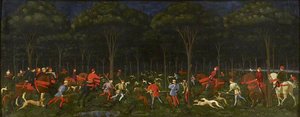
Visokoresolucijske slike dela Thermopylae
Javna lastnina: umetnik je umrl leta 1888.
Edward Lear, Thermopylae (1872), Muzej umetnosti in arheologije Ashmolean. Javna lastnina
Odgovori na vprašanja o Thermopylae
Kje lahko vidim originalno delo "Thermopylae" avtorja Edward Lear?
Del "Thermopylae" avtorja Edward Lear je razstavljen v muzeju Muzej umetnosti in arheologije Ashmolean, Oxford, Združeno kraljestvo. Navedba muzeja se nanaša na originalno delo, ne pa na reprodukcije.
Kateri je datum nastanka dela "Thermopylae" avtorja Edward Lear?
"Thermopylae" izvira iz 1872. Ta datum delo situira v okvir Edward Learove kariere in obdobja, v katerem je nastalo.
Kakšne so dimenzije izvornega dela "Thermopylae" avtorja Edward Lear?
Originalne dimenzije dela "Thermopylae" znašajo 34 x 54 cm. Prvotne mere so koristna referenca pri izbiri velikosti reprodukcije.
Katere teme se pojavljajo v delu "Thermopylae" avtorja Edward Lear?
Motivi dela "Thermopylae" so landscape, mountains, nature, people, vista, outdoors.
Ali je delo "Thermopylae" avtorja Edward Lear v javni lastini?
"Thermopylae" avtorja Edward Lear je v javni domeni (v javni domeni – avtorska pravica je zastarela). Ta status določa način, kako se lahko slika dela reproducira.
Kdo je avtor dela "Thermopylae"?
Avtor dela "Thermopylae" je Edward Lear. Del je katalogiran pod imenom Edward Lear.
V katero obdobje umetnostnega razvoja Edward Lear pripada delo "Thermopylae"?
"Thermopylae" predstavlja Mature Period umetnika Edward Lear.
Pri katerih letih je Edward Lear ustvaril/a "Thermopylae"?
Edward Lear je delo "Thermopylae" ustvaril v starostih 60 let. Umetnik se je rodil leta 1812, delo pa je datirano v leto 1872.
Zakaj je status avtorske pravice za "Thermopylae" prav takšen, kot je?
Del "Thermopylae" avtorja Edward Lear je v javni domeni – avtorska pravica je zastarela. Avtorske pravice se izračunajo od smrti umetnika, pri čemer je Edward Lear umrl leta 1888.
O umetniku, Edward Lear

1812–1888, Združeno kraljestvo
Edward Lear
Edward Lear (1812-1888): The Poet of Nonsense and Painter of Light Edward Lear, a name synonymous with whimsical verse and delightfully peculiar illustrations, was far more than the purveyor of limericks and fantastical creatures that often define his legacy. Born in 1812 in Holloway, North London, into a family teeming with twenty-one children, Lear’s early life was marked by both financial instability and a burgeoning artistic talent. His father, Jeremiah Lear, faced hardship after the Napoleonic Wars, forcing young Edward to begin earning a living through his drawings at the tender age of fifteen. This necessity, however, ignited a lifelong passion that would see him traverse continents and capture the world in vibrant hues and playful lines.
Tudi dela avtorja Edward Lear
 Cogoleto, Italy
 Crescenza
 Blue And Yellow Macaw
 View of Taormina in Sicily with Etna in the distance1852
Eseji o delu Thermopylae
 Whispers of Antiquity: The Ethereal Beauty of Ruins in Impressionist ArtStep into a world where time meets light. Explore the enchanting beauty of ruins in Impressionist masterpieces. At OriginalUniqueArt.com, w…
 25 Masterpieces of Giorgio de Chirico: Exploring Metaphysical ArtStep into the haunting dreamscapes of Giorgio de Chirico. Explore 25 iconic Metaphysical paintings, from eerie shadows to surrealist enigma…
 James Abbott McNeill Whistler: 25 Mojstrovskih Del za Navdih v Vašem DomuOdkrijte 25 mojstrovskih del Jamesa Abbotta McNeilla Whistlerja! Preučite zgodbe, tehnike in navdih za njegove ikonične nocturne, portrete …