American Realism
Intermission (small) (Edward Hopper)
Edward Hopper (1882–1967) je izdelal Intermission (small). Spada v smer American Realism. Izdelano je iz Acrylic On Canvas.
- Acrylic On Canvas

 Predogled v realnem okolju

 Ročno izdelano oljno slikarstvo
 Pošlji
 Deli
 Informacijski list


 Prenesi sliko
 Podobni izdelki
 Rentgenski posnetek
 Predvajaj diaporama
 Vprašanja in odgovori

 Statistika
Intermission (small), na kratek
- Naslov
- Intermission (small)
- Avtor
- Edward Hopper (1882–1967)
- Umetnik, rojen v
- Upper Nyack, Združene države Amerike
- Tehnika
- Acrylic On Canvas
- Gibanje
- American Realism
- Tema
- theater, isolation, loneliness, woman, interior, light
Kaj prikazuje Intermission (small)?
Edward Hopper’s Solitary Stage: Unpacking “Intermission”
Edward Hopper's "Intermission" (1963) isn’t merely a painting; it’s a distilled moment of American solitude, a poignant tableau captured with the artist’s signature mastery of light and shadow. Completed in the twilight years of his career, this work represents a culmination of Hopper’s lifelong fascination with theater and urban life—a subject that consistently explored themes of isolation, detachment, and the quiet dramas unfolding within everyday spaces. The painting depicts a woman seated alone in an empty theater, bathed in the cool, diffused light of the house lights, suggesting a pause between acts, a moment of reflection before returning to the performance. It’s a scene both familiar and profoundly unsettling, instantly transporting the viewer into Hopper's carefully constructed world of understated emotion. The deliberate simplicity of the composition—the woman, the seats, the darkened stage—amplifies the sense of loneliness, creating an atmosphere that lingers long after the eye has moved on.A Masterclass in Realist Light and Composition
Hopper’s technical skill is immediately apparent in "Intermission." He employs a restrained palette – primarily blues, greens, and browns – to create a mood of quiet melancholy. The use of light is particularly striking; it doesn't illuminate the scene with warmth or vibrancy but rather casts long shadows, emphasizing the emptiness and highlighting the woman’s isolation. Notice how Hopper uses directional lighting to sculpt the space, drawing attention to the architectural details of the theater while simultaneously obscuring any sense of depth or perspective. The composition itself is carefully balanced—the woman occupies a central position, yet she feels utterly detached from her surroundings. The diagonal lines created by the rows of seats and the stage wall subtly guide the viewer’s eye through the scene, reinforcing the feeling of being an observer rather than a participant. The painting's dimensions – 40 x 60 inches – contribute to its impact, allowing Hopper to render intricate details with precision while maintaining a sense of scale that anchors the subject within a recognizable space.Symbolism and the American Psyche
“Intermission” resonates deeply because it taps into a fundamental aspect of the American experience: the feeling of being alone in a crowd. The theater, traditionally a place of communal engagement, becomes here a stage for individual contemplation. Hopper’s choice to depict a woman—a figure often associated with domesticity and social roles—in this solitary state is particularly significant. It speaks to the changing role of women in American society during his time, as well as the broader anxieties about identity and belonging that characterized the mid-20th century. The closed curtain and darkened exit door further reinforce the sense of being trapped or suspended in a moment of uncertainty. Some art historians interpret this image as reflecting Hopper’s own feelings of alienation and detachment, while others see it as a more generalized representation of the human condition—a recognition that even within moments of shared experience, individuals can remain profoundly isolated.The Legacy of Hopper's Theater Series
“Intermission” is part of a larger series of paintings by Hopper focused on theaters and cinemas, reflecting his lifelong passion for these spaces. These works aren’t simply depictions of theatrical settings; they are explorations of the human psyche—portraying individuals grappling with loneliness, boredom, and the unspoken dramas of everyday life. Hopper meticulously studied theater productions, taking notes and sketching scenes, imbuing his paintings with a deep understanding of stagecraft and performance. "Intermission" stands as one of the most poignant examples of this series, capturing the essence of Hopper’s unique vision—a world where light and shadow reveal not just physical spaces but also the hidden emotions within the human heart. Its enduring appeal lies in its ability to evoke a sense of familiarity and recognition, reminding us that even in the midst of bustling urban life, moments of quiet solitude can be profoundly moving.Bringing “Intermission” Home: A High-Quality Reproduction
OriginalUniqueArt offers meticulously hand-painted reproductions of Edward Hopper’s "Intermission," allowing you to experience this iconic masterpiece in stunning detail and vibrant color. Our skilled artists replicate Hopper's masterful use of light, shadow, and composition with the utmost care, ensuring that your reproduction captures the essence of the original painting. Whether for a living room wall or a study, a OriginalUniqueArt reproduction of “Intermission” will serve as a timeless reminder of Hopper’s profound insights into the human condition—a testament to the beauty and melancholy of modern American life. Explore our collection today and bring this evocative image into your space.Visokoresolucijske slike dela Intermission (small)
Zaščitovano z avtorskimi pravicami: ti datoteke so namenjene osebni referenci, ne paovojilu za ponovno objavo.
Edward Hopper, Intermission (small).
Odgovori na vprašanja o Intermission (small)
S katero tehniko je bila izdelana skladba "Intermission (small)" avtorja Edward Hopper?
Tehnika za delo "Intermission (small)" avtorja Edward Hopper je Acrylic On Canvas. Različice imajo za namen natančno prikazati videz te tehnike.
Kaj prikazuje "Intermission (small)" avtorja Edward Hopper?
"Intermission (small)" avtorja Edward Hopper prikazuje: theater, isolation, loneliness, woman, interior, light, shadow, modernity.
Ali se lahko slika "Intermission (small)" avtorja Edward Hopper prosto reproducira?
V zvezi z avtorskimi pravicami je "Intermission (small)" v še vedno pod avtorsko zaščito.
Kdo je ustvaril "Intermission (small)"?
"Intermission (small)" pripisujemo Edward Hopper.
Kateri umetniški slog pripada "Intermission (small)"?
Umetnostni smer, ki jo zastopa "Intermission (small)" avtorja Edward Hopper, je American Realism. Ta klasifikacija delo uvršča med sorodne umetnike in umetniška dela.
V katero obdobje Edward Hopperove kariere spada delo "Intermission (small)"?
"Intermission (small)" predstavlja Late Period umetnika Edward Hopper.
Zakaj je status avtorske pravice za "Intermission (small)" prav takšen, kot je?
Del "Intermission (small)" avtorja Edward Hopper je še vedno pod avtorsko zaščito. Avtorske pravice se izračunajo od smrti umetnika, pri čemer je Edward Hopper umrl leta 1967.
Kje se "Intermission (small)" uvršča v celotno stvar umetnika Edward Hopper?
"Intermission (small)" pripada American Realism obdobju v ustvarjalnosti umetnika Edward Hopper, katerega značilne teme vključujejo hopper’s realism, urban isolation, theater as metaphor for life, american modernism, solitude themes, late period introspective scenes, exploring human experience quietly.
Kako se motiv dela "Intermission (small)" povezuje s tipičnimi temami umetnika Edward Hopper?
Med zastavljenimi temami umetnika Edward Hopper – ki jih zastopajo hopper’s realism, urban isolation, theater as metaphor for life, american modernism, solitude themes, late period introspective scenes, exploring human experience quietly – prinaša "Intermission (small)" lastno pozornost na theater, isolation, loneliness, woman, interior, light, shadow, modernity.
O umetniku, Edward Hopper
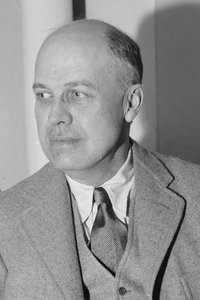
1882–1967, Združene države Amerike
Edward Hopper
Tišina ameriške scene Edward Hopper se je rodil v Upper Nyack, v Združenih državah Amerike. Njegova zgodnja leta so bila prebožana z opazovanjem sveta z neomagnočnim pogledom, kar je bila navada, ki se je začela že s otroškimi skici, ki so bile skrbno datirane in podpisane. Čeprav so mu starši predlagali praktično pot v komercialni ilustraciji, je njegova pozornost ostala usmerjena na likovno umetnost. Študiral je na School of Art v New Yorku pod mentorjem William Merritt Chase in Robert Henri.
Tudi dela avtorja Edward Hopper
 Nighthawks, Čeznočnji pogled v večerjo1942
 Avtomat (majhen)
 Hiša ob železnici1925
 Film v Njujorku1939
Eseji o delu Intermission (small)
 Edward Hopper: 25 Mojstrovskih Del Ameriške Moderne | OriginalUniqueArtOdkrijte 25 mojstrovskih del Edwarda Hopperja – ikonične slike ameriške moderne. Preberite zgodbe, tehnike in navdih za te brezčasne umetni…
 Preobrazba Pokrajinskih Fotografij v Impresionistične Sanje: Umetniška Interpretacija, Barvna Živahnost in Trajna DedščinaPreobrazite svoje fotografije v pravo umetnino! OriginalUniqueArt ustvarja ročne reprodukcije slik vrhunske kakovosti – platna, ki oživijo …
 Atmospheric Precision: A Study of Stillness in Serene Landscape CompositionsExplore the mastery of atmospheric landscapes from Constable to Corot. Discover the art of stillness and dive into the collection now.