Baroque · 1592
Pan (Annibale Carracci, 1592)
Annibale Carracci (1560–1609) je izdelal Pan. Zajema leto 1592. Spada v umetniško smer Baroque. Izdelano je iz Oil On Canvas. Del se nahaja v muzeju Narodna galerija Viktorije v mestu Melbourne, Avstralija. Dimenzije so 109 × 135 cm.
- 1592
- Oil On Canvas
- 109 × 135 cm
- Narodna galerija Viktorije, Melbourne

 Predogled v realnem okolju

 Ročno izdelano oljno slikarstvo
 Pošlji
 Deli
 Informacijski list za tjači


 Prenesi sliko
 Podobni izdelki
 Rentgenski posnetek
 Predvajaj diaporama
 Vprašanja in odgovori

 Statistika
Pan, na kratek
- Naslov
- Pan
- Umetnik
- Annibale Carracci (1560–1609)
- Umetnik, rojen v
- Bologna, Italija
- Datum
- 1592
- Tehniko
- Oil On Canvas
- Dimenzije
- 109 × 135 cm
- Kje je razstavljeno
- Narodna galerija Viktorije, Melbourne, Avstralija
- Gibanje
- Baroque
- Tema
- pan, greek god, mythology, carracci, foreshortening, renaissance
Kaj prikazuje Pan?
A Vision of Rustic Divinity: Annibale Carracci’s Pan
Annibale Carracci's "Pan," painted circa 1592, is not merely a depiction of the Greek god; it’s an embodiment of primal nature, a vibrant assertion of earthly delight rendered with breathtaking technical skill and imbued with the burgeoning spirit of the Bolognese school. This painting transcends simple portraiture, offering instead a glimpse into a world teeming with instinct, fertility, and the intoxicating allure of the wild. Commissioned by Cesare d'Este for his opulent Palazzo dei Diamanti in Ferrara – a palace itself reflecting the lavish tastes of the Renaissance court – “Pan” was intended to be part of a larger decorative scheme, a carefully orchestrated symphony of classical mythology designed to evoke grandeur and celebrate the power of the Este family.
Carracci’s genius lies in his masterful manipulation of perspective and color. The scene unfolds with a dramatic *di sotto in sù* foreshortening – a technique borrowed from earlier Renaissance masters but perfected by Carracci – that draws the viewer into the god's immediate presence. Pan, seated atop a ram or goat (the animal’s identity deliberately ambiguous), is presented not as an imposing deity, but as a youthful, almost mischievous figure. His pose is relaxed, his expression playful, and his limbs are rendered with a remarkable sense of naturalism that distinguishes this work from the more idealized depictions prevalent at the time. The rich palette – dominated by earthy reds, ochres, and greens – creates a tactile quality, inviting the viewer to almost feel the warmth of the Italian sun on Pan’s skin and the rough texture of his attire.
The Language of Symbolism
Pan, in Greek mythology, is the god of shepherds, flocks, wild animals, music, and revelry. He embodies the untamed spirit of nature, a force both alluring and potentially dangerous. Carracci’s portrayal captures this duality perfectly. The ram or goat beneath Pan isn't simply an animal; it represents fertility, abundance, and the cyclical rhythms of life and death – essential themes within the context of the Renaissance fascination with classical antiquity. The inclusion of the pipe, a traditional instrument associated with Pan, further reinforces his role as the patron of music and dance, suggesting a celebration of earthly pleasures.
Notably, the presence of the book or scroll in Pan’s hand hints at a deeper layer of meaning. While often depicted as a wild god, Pan was also associated with prophecy and knowledge – a connection that aligns with the intellectual climate of Renaissance Italy. The object could represent his ability to interpret the signs of nature, offering a glimpse into the mysteries of the world.
A Bridge Between Eras
“Pan” stands as a pivotal work in the transition from the High Renaissance to the Baroque period. Carracci’s embrace of naturalism and dramatic perspective – hallmarks of the Bolognese school – paved the way for the heightened emotional intensity and dynamic compositions that would characterize the Baroque style. His meticulous attention to detail, combined with his innovative use of *di sotto in sù* foreshortening, demonstrates a profound understanding of both classical principles and contemporary artistic trends. The painting’s placement within a larger decorative scheme further highlights its significance as a key element in the revival of classical art during the late 16th century.
A Timeless Appeal
More than four centuries after its creation, “Pan” continues to captivate viewers with its vibrant energy and evocative imagery. It’s a painting that speaks to our enduring fascination with nature, mythology, and the primal instincts that lie at the heart of human experience. Reproductions of this masterpiece offer an opportunity to bring this extraordinary vision into any setting, adding a touch of rustic divinity and timeless beauty to your home or office.
V katerem muzeju se nahaja Pan?
Narodna galerija Viktorije
Melbourne, Avstralija
Zgodovina in korenine Narodne galerije Viktorije Narodna galerija Viktorije je bila ustanovljena leta 1861, v obdobju, ko je zlata gorščica prinašala neprestan vitalnost in hitro rast kolonije. Ta kulturna institucija se je začela razvijati kot skromno shranjevališče gipsastih odlitkov, ki so bili namenjeni vzpostavitvi globoke povezave z uglednimi umetnostnimi tradicijami starejega Evrope. Ta prvotna zbirka je predstavljala pragmatičen odgovor na kolonialne aspiracije, ki so v tistem času iskale kulturno enakopravnost z starejšimi, etabliranimi svetovnimi močmi.


Visokoresolucijske slike dela Pan

Javna lastnina: umetnik je umrl leta 1609.
Druge velikosti, izrezave in citiranje →
Annibale Carracci, Pan (1592), Narodna galerija Viktorije. Domen javne lastnine
Odgovori na vprašanja o Pan
Kje je danes razstavljeno "Pan" avtorja Annibale Carracci?
Originalno delo "Pan" avtorja Annibale Carracci se nahaja v muzeju Narodna galerija Viktorije, Melbourne, Avstralija. Reprodukcija omogoča, da ta sklad prikazujete tudi v svojem domu.
Kdaj je bilo ustvarjeno "Pan"?
"Pan" avtorja Annibale Carracci je nastalo leta 1592.
S katero tehniko je bila izdelana skladba "Pan" avtorja Annibale Carracci?
Tehnika za delo "Pan" avtorja Annibale Carracci je Oil On Canvas. Različice imajo za namen natančno prikazati videz te tehnike.
Kakšne so dimenzije izvornega dela "Pan" avtorja Annibale Carracci?
Dimenzije originalnega dela "Pan" avtorja Annibale Carracci so 109 x 135 cm.
Kaj predstavlja "Pan"?
Motivi dela "Pan" so pan, greek god, mythology, carracci, foreshortening, renaissance, baroque, deity.
Ali se lahko slika "Pan" avtorja Annibale Carracci prosto reproducira?
Status avtorskih pravic za "Pan" avtorja Annibale Carracci: del je v javni domeni – avtorska pravica je zastarela. To določa, ali se lahko reprodukcije slike izdelujejo prosto.
Kateremu umetniku je "Pan" pripisano?
Delo "Pan" je ustvaril Annibale Carracci. Informacije na tej strani opisujejo izvirno delo umetnika Annibale Carracci.
Kateri umetniški slog pripada "Pan"?
"Pan" je del umetniškega sloga Baroque, ki predstavlja umetniško tradicijo, v katero je delo vključeno.
V katero obdobje kariere Annibale Carracci pripada delo "Pan"?
"Pan" pripada Mature Period v karieri umetnika Annibale Carracci. Ta razvrstitev povezuje delo z umetnikovim razvojnim obdobjem.
O umetniku, Annibale Carracci
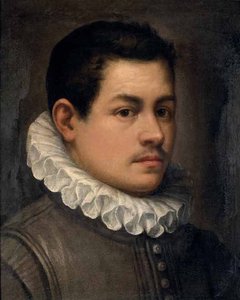
1560–1609, Italija
Annibale Carracci
Zgodnje življenje in Bolognski korenini Annibale Carracci, rojen v Bologni 3. novembra 1560, je izhajal iz družine globoko ukoreninjene v umetnostni tradiciji. Njegovo zgodnje usposabljanje se je verjetno odvijalo v negovalnem okolju družinske delavnice, ki je postavilo temelje za kariero, ki bi korenito spremenila pokrajino italijanskega slikarstva. Bologna je bila v tem času živahno središče intelektualnega in umetniškega fermenta, vendar se je nekako oddaljila od prevladujočih tokov iz Rima in Benetk.
O umetniku Annibale Carracci Znomeni dela umetnika Annibale Carracci
Tudi dela avtorja Annibale Carracci
 Solastni jedočas
 Heraklov izbor
 Zgodnje življenje in bolonjske korenine
Annibale Carracci, rojen v Bologni 3. novembra 1560, je izviral iz družine, globoko zakoranjene v umetnostnem okolju. Njegovo začetno usposabljanje se je verjetno odvijalo v gojilnem okolju njegove družinske delavn1596
 Rečna krajina1589
Eseji o delu Pan
 The Language of Animals in Art: From Ancient Egypt to the RenaissanceExplore the profound history of animal symbolism from Egypt to the Renaissance. Trace these ancient motifs through art history now.
 Annibale Carracci: Bridging Renaissance Ideals & Baroque InnovationExplore the life & art of Annibale Carracci, a pivotal figure bridging Renaissance ideals with Baroque innovation. Discover his masterpiece…
 Divine Beauty: The 25 Most Iconic Masterpieces by Fra AngelicoJourney through the divine beauty of Fra Angelico's finest works. Explore 25 iconic Renaissance masterpieces, from ethereal frescoes to sac…