

A Hidden Renaissance Gem: Sant’Andrea a Brozzi
Nestled just outside the bustling heart of Florence, in the charming Tuscan town of Sennino, lies Sant’Andrea a Brozzi – a church and museum that offers an unexpectedly intimate encounter with the artistic fervor of the Italian Renaissance. More than simply a place of worship, this historic site is a carefully preserved testament to centuries of faith, artistry, and local history, inviting visitors to step back in time and witness the evolution of Florentine art firsthand. The church itself, originally erected in the 11th century along a vital trade route linking Florence and Pistoia, stands as a remarkably intact example of early Tuscan architecture, its weathered stones whispering tales of pilgrims and merchants who once passed through.
The building’s story is intertwined with that of the surrounding area. For centuries, Sant'Andrea a Brozzi served as a subsidiary parish to San Martino a Brozzi, reflecting its strategic location. Major renovations occurred in 1365, shaping the structure we see today, though it endured numerous alterations and restorations throughout subsequent eras – from the patronage of influential families like the Mazzinghi and Tornaquinci to wartime damage and a devastating fire in 1979. Despite these challenges, the spirit of the church endures, radiating an atmosphere of quiet reverence and artistic significance.
The Gallery of Ghirlandaio and Beyond
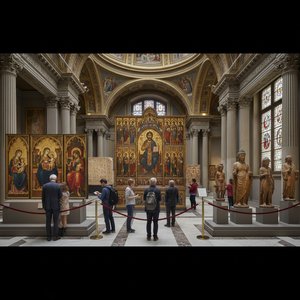
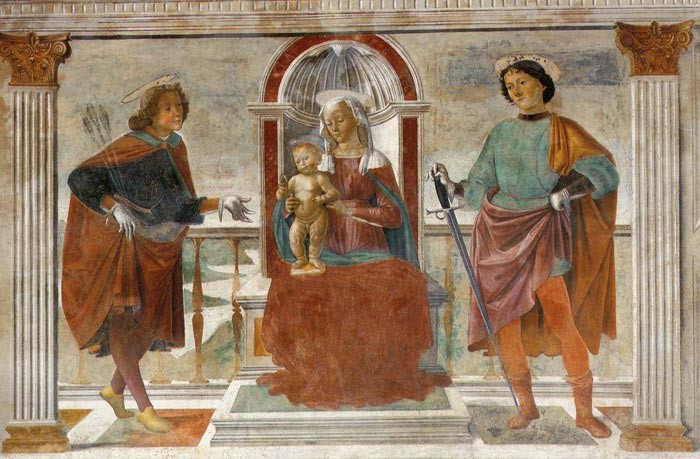
The true heart of Sant’Andrea a Brozzi lies within its adjacent Sacred Art Museum, a treasure trove dedicated to preserving and showcasing the region's remarkable artistic heritage. The museum’s specialization is firmly rooted in 15th-century Italian painting, with a particular focus on the works of the renowned Maestro di Brozzi – a collective name given to a group of artists working in the area during that period. But it’s the collection attributed to Domenico Ghirlandaio that truly captivates visitors. Here, you'll find stunning frescoes depicting scenes from the Annunciation, showcasing his signature mastery of color, composition, and narrative detail. The “Annunciazione tra ss. Eustachio e Antonio Abate,” a particularly striking example, exemplifies his ability to imbue religious subjects with a vibrant realism and humanist sensibility.
Beyond Ghirlandaio, the museum’s holdings expand to include works by other prominent artists of the era, such as Giovanni Botticini and Matteo Rosselli. A Madonna and Child painting by Botticini is particularly noteworthy for its delicate rendering of the Virgin's serene expression and the infant Christ’s innocent gaze. The collection also features a captivating altarpiece depicting Saints Sigismond and Albert attributed to the school of Raffaellino del Garbo, offering a glimpse into the artistic influences shaping Florentine painting at the time.
Architectural Details & Historical Context
The church’s architecture itself is a fascinating reflection of its evolving history. The original 12th-century structure provided a solid foundation, but subsequent renovations and additions have layered different stylistic elements over time. The façade loggia, painstakingly reconstructed in the 19th century, stands as a testament to the enduring appeal of classical design principles. The interior reveals a harmonious blend of Romanesque and Renaissance influences, creating a space that is both solemn and inviting.
Interestingly, Sant’Andrea a Brozzi shares a connection with another iconic Florentine landmark – Sant’Andrea della Valle. The façade of the latter church, designed by Carlo Rainaldi, draws inspiration from the Romanesque style, mirroring the architectural roots of Sant'Andrea a Brozzi and highlighting the enduring influence of ancient forms on Renaissance art. The small scale and intimate setting of Sant’Andrea a Brozzi offer a refreshing contrast to the grandeur of Florence’s larger museums, providing a more personal and contemplative experience.
A Unique Sanctuary for Art Lovers
What truly distinguishes Sant’Andrea a Brozzi is its atmosphere – an unparalleled sense of intimacy and authenticity. Unlike the often-crowded and overwhelming environments of major metropolitan museums, this church and museum offer visitors a chance to connect directly with Renaissance masterpieces in a serene setting. Its location just outside Florence makes it an ideal destination for those seeking a genuine cultural experience, far removed from the city’s tourist throngs. The museum's dedication to preserving local artistic heritage ensures that Sant’Andrea a Brozzi remains a vital resource for art enthusiasts and anyone interested in delving deeper into the beauty and complexity of the Italian Renaissance.