A Palimpsest of Neapolitan Grandeur
San Lorenzo Maggiore stands not merely as a monument of stone and mortar, but as a living, breathing palimpsest where the layers of Naples’ storied past are etched into every surface. To enter this sacred space is to embark on a journey through time, moving from the sun-drenched streets of the modern city into a realm where ancient Roman echoes meet the soaring ambitions of the Gothic era. Beneath the very foundations of the church lies a breathtaking revelation: the Macellum, an excavated Roman market that offers a tangible connection to the vibrant life of Magna Grecia and the Roman Empire. This subterranean archaeological treasure provides a profound sense of continuity, reminding every visitor that the city’s contemporary pulse is inextricably linked to its classical soul. The meticulous reconstruction of these ruins allows for a rare, intimate encounter with antiquity, making the site an essential pilgrimage for those seeking to understand the true origins of Naples.The Artistry of Contrast: Gothic Grace and Baroque Opulence
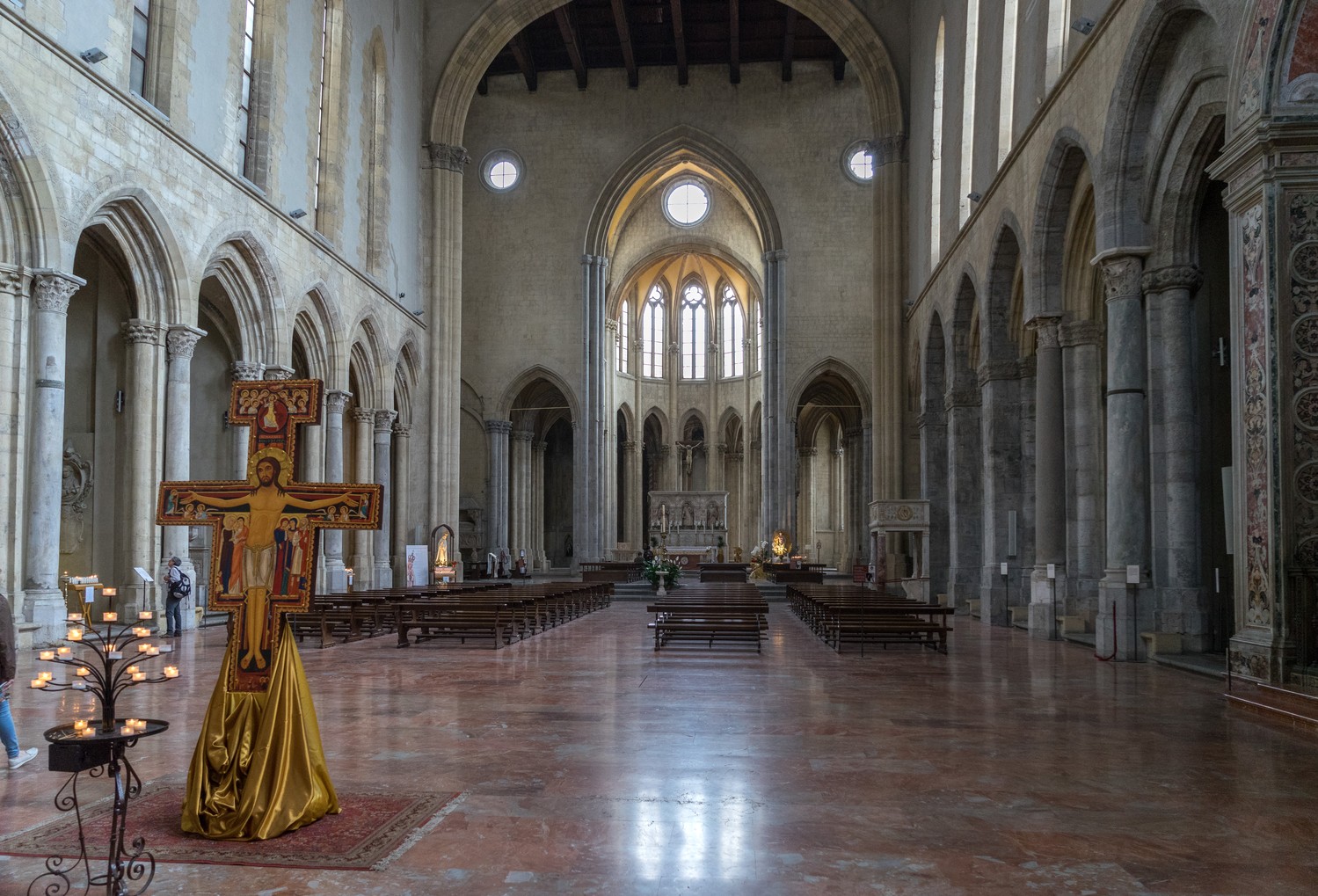
The architectural narrative of San Lorenzo Maggiore is one of dramatic metamorphosis and exquisite tension, offering a masterclass in stylistic juxtaposition. While the primary structure retains a magnificent Gothic character, defined by soaring arches and a sense of spiritual ascent, this structural austerity is masterfully interrupted by the exuberant brilliance of the Baroque. The Cacace Chapel and the Chapel of Sant’Antonio, masterpieces of the renowned architect Cosimo Fanzago, serve as dazzling counterpoints to the nave's solemnity.For the admirer of fine detail and texture, the interior presents a feast of richly colored inlaid marble that draws the eye upward, mirroring the verticality of the architecture with rhythmic complexity. Within these chapels, the sculptural prowess of Andrea di Bolgi—a protégé of the legendary Bernini—breathes life into religious devotion, capturing moments of profound emotional intensity through stone that seems almost supple under his chisel. The interplay between the heavy, solemn Gothic lines and the fluid, ornamental Baroque flourishes creates a visual tension that is both intellectually stimulating and aesthetically breathtaking.
A Sanctuary of Memory and Legend
Beyond its physical splendor, San Lorenzo Maggiore serves as a vessel for the human spirit and the literary legends that define Neapolitan identity. It is within these hallowed walls that the romantic echoes of Boccaccio and Fiammetta still linger, recalling their fateful meeting in 1338 and imbuing the site with a sense of timeless romance. This connection to the literary world adds a layer of poetic depth to the museum's collection, which meticulously chronicles the evolution of Naples through its maritime routes and archaeological finds.For the collector or enthusiast of fine art, the church offers more than just a viewing of relics; it provides an immersive encounter with the very essence of Neapolitan resilience and beauty. From the vibrant pigments of its Baroque frescoes to the historical weight of its museum exhibits, San Lorenzo Maggiore remains a cornerstone of cultural preservation, where every marble vein and ancient ruin tells a story of a city that has perpetually reinvented itself without ever losing its ancient heart.