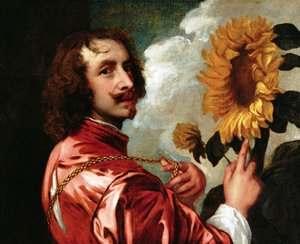
Giovanni Antonio Bazzi (Il Sodoma) bol kľúčovým maliarom talianskeho renesancie spájajúcim vysokú renesanciu a manierizmus. Preslávny pre emotívne fresky, mýtické scény a diela ako 'Svadba Alexandra', pretvoril siensku školu.
Giuseppe Bazzani (1690-1769) was an Italian Rococo painter known for his expressive brushwork, emotional intensity & unique synthesis of Baroque, Lombardy & international styles. Explore his religious scenes, portraits & influence on Neoclassical art
Palazzo D’Arco: A Renaissance Jewel Unveiling Mantua’s Artistic Legacy
Location & Context:
Nestled in the Lombardy region of Italy, Mantua—designated as “Italian Capital of Culture” in 2016 and “European Capital of Gastronomy” in 2017—houses Palazzo D’Arco, a testament to centuries of noble patronage and artistic innovation. Its UNESCO World Heritage Site designation underscores its significance as a cultural landmark.
Architectural Marvel:
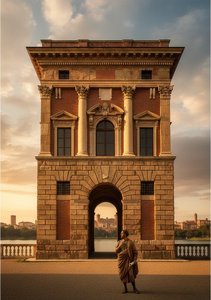
Designed primarily by Antonio Colonna in the neoclassical style (1783), the palazzo stands proudly on Piazza Carlo D’Arco, showcasing a façade adorned with emblems of power—the D’Arco family crest alongside the Habsburg double-headed eagle—reflecting Mantua's connection to Austrian rule.
A Timeline of Transformations:
Originally likely a royal residence dating back to the 12th century, Palazzo D’Arco underwent significant expansions in the 17th century under Count Annibale Chieppio and later received substantial renovations by Giovanni Battista Gherardo d’Arco. These developments cemented the palazzo's role as a focal point for Mantuan aristocratic life.
Celestial Visions: The Sala dello Zodiaco
A Renaissance Masterpiece:
The Sala dello Zodiaco, painted in 1520 by Giovanni Maria Falconetto, is arguably Palazzo D’Arco's most celebrated achievement. This monumental fresco embodies the spirit of Renaissance mural art, depicting the zodiac signs with breathtaking detail and artistry—a mesmerizing spectacle that invites contemplation on humanity’s place within the cosmos.
Symbolism & Technique:
Falconetto skillfully employed perspective and chiaroscuro to create a dramatic visual experience, reflecting humanist ideals prevalent during the period. The intricate iconography draws upon classical mythology and astrological traditions, demonstrating the artist's mastery of technique and his engagement with intellectual currents of the Renaissance.
A Diverse Collection Reflecting Artistic Movements
Renaissance Masters:
Palazzo D’Arco boasts an impressive collection of paintings by Lorenzo Lotto, Tintoretto, and followers of Pieter Aertsen—artists who exemplify the stylistic diversity characteristic of the Renaissance.
Expanding Horizons:
Beyond Renaissance art, the museum showcases pieces attributed to artists active in subsequent centuries, including Baroque painters like Bernardino Luini and Giuseppe Bazzani, illustrating the evolution of Italian artistic expression over time.
Beyond Paintings: Furnishings & Musical Instruments – A Window into Aristocratic Life
Period Furniture & Ceramics:
Visitors can immerse themselves in the daily lives of Mantua’s aristocracy through meticulously preserved period furniture and exquisite ceramics—objects that reveal tastes, customs, and social hierarchies.
Musical Instruments:
The palazzo's collection includes musical instruments from various eras, offering insights into the cultural pursuits and entertainment preferences of Mantuan elites.
Preservation & Contemporary Engagement
Fondazione D’Arco’s Role:
Today, Palazzo D’Arco is cared for by Fondazione D’Arco, which organizes exhibitions and educational programs—further enriching the cultural life of Mantua and ensuring that this extraordinary estate continues to inspire future generations.
A Unique Experience:
Unlike institutions focused solely on individual artworks, Palazzo D’Arco presents a holistic panorama of Italian aristocratic history and artistic heritage—a journey into the heart of Renaissance splendor and enduring artistic legacy. It's an unforgettable destination for collectors, designers, and anyone captivated by the beauty of art and its connection to cultural context.
Redakcia OriginalUniqueArt.com
Kvíz o umení
Pri každej otázke je len jedna správna odpoveď.
Otázka 1:
What architectural style characterizes Palazzo D’Arco's façade?
Otázka 2:
Who commissioned the neoclassical redesign of Palazzo D’Arco?
Otázka 3:
The Sala dello Zodiaco is famous for its depiction of:
Otázka 4:
What role did the D’Arco family play in Mantua's cultural landscape?
Otázka 5:
Which artist created the frescoes in Sala dello Zodiaco?
Explore the captivating evolution from Baroque's drama to Rococo's grace! Discover key artists, characteristics & lasting influence of these art movements with expert insights at OriginalUniqueArt.
Explore the revolutionary art of Giulio Romano, master of Mannerism & architect of Palazzo Te. Discover his influence, investment potential, and stunning frescoes – a guide for discerning collectors.