

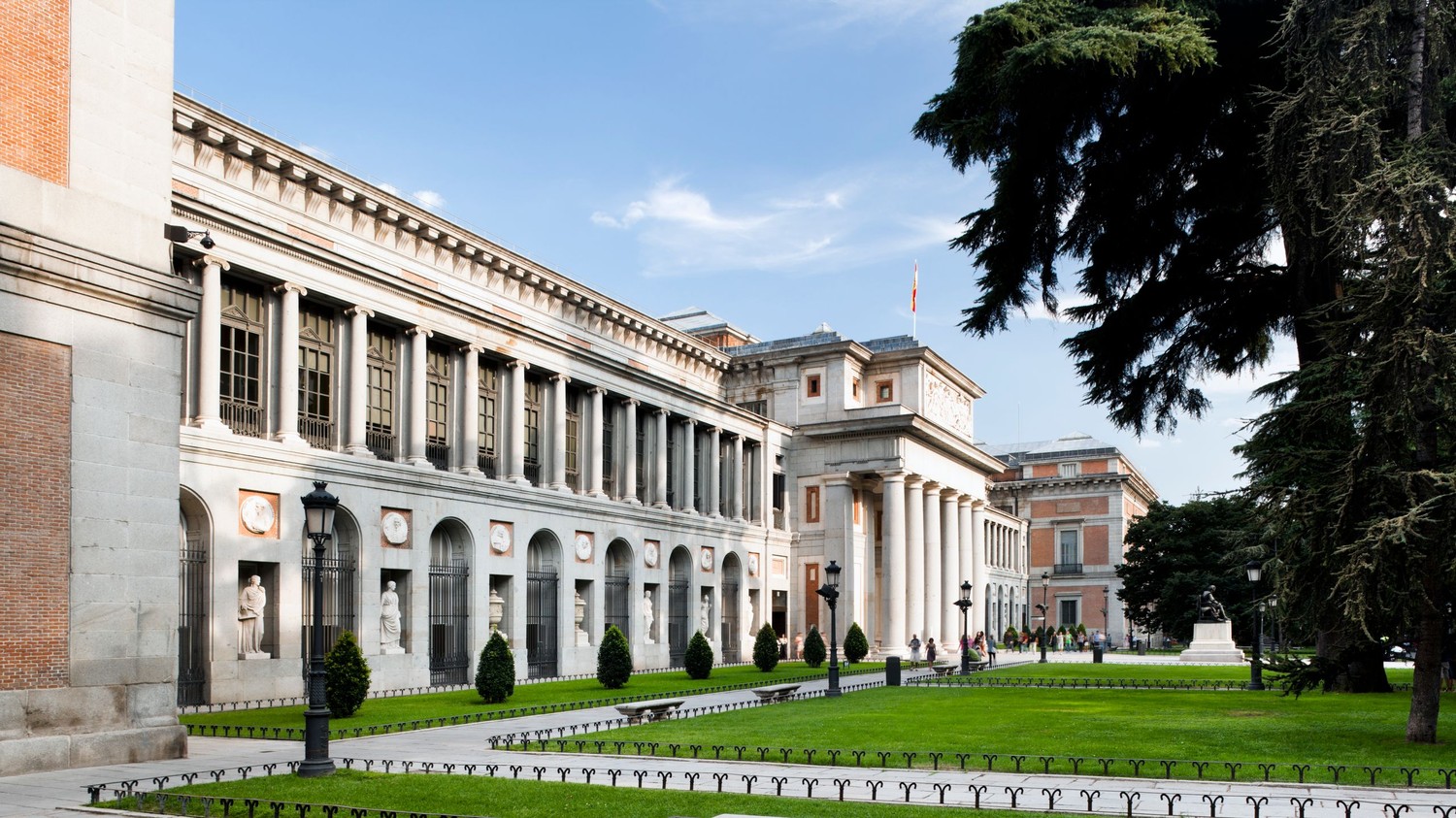
A Royal Legacy: Unveiling the Soul of Spain at the Museo del Prado
Stepping through the grand, neoclassical façade of the Museo Nacional del Prado is akin to entering a time capsule—a portal directly into the heart of Spanish artistic heritage and its profound connection to Europe’s most celebrated creative currents. More than simply a repository of masterpieces, this magnificent institution, initially conceived as a cabinet of natural history, stands as a testament to centuries of royal patronage, an unwavering commitment to preserving Spain's cultural legacy, and a remarkably astute understanding of the power of art to shape national identity. Designed by the visionary architect Juan de Villanueva in 1785, the building itself is a work of art—a harmonious blend of classical proportions and distinctly Spanish ornamentation, its soaring columns and meticulously crafted details designed to flood the galleries with natural light, illuminating canvases that have witnessed empires rise and fall.
The Prado’s story begins not as a museum, but as a carefully curated collection assembled by the Spanish monarchs. For generations, Habsburg and Bourbon rulers amassed an extraordinary trove of art, driven by a desire to showcase their power, wealth, and refined taste. This legacy—a foundation built upon the discerning eye of Velázquez himself—transformed the building into a truly international treasure trove. His influence is particularly evident in the acquisition of works by Titian, Rubens, Mantegna, and countless others, artists whose styles and techniques were brought to Spain through diplomatic missions and royal commissions. The evolution of the Prado mirrors this expansion; initially intended as a natural history cabinet, it was meticulously transformed under King Ferdinand VII into a dedicated space for painting and sculpture, reflecting the monarchy’s commitment to presenting its artistic achievements on a grand scale. This transformation wasn't merely cosmetic; it represented a conscious effort to elevate Spanish art alongside the finest examples from Italy and beyond.
Within these walls reside some of the world’s most iconic artworks, each telling a story of skill, passion, and cultural significance. Velázquez’s *Las Meninas* (The Maids of Honour) is arguably the museum's crown jewel—a complex and revolutionary painting that invites endless interpretation, capturing not just a royal portrait but also the artist himself at work, grappling with perspective and representation. Goya’s series of etchings, particularly *Los Desastres de la Guerra*, offer a harrowing and unflinching depiction of the horrors of war, revealing his profound empathy for the suffering of ordinary people. El Greco's dramatic figures and ethereal light in works like *The Burial of Count Agung* evoke a sense of spiritual intensity, transporting viewers to another realm. And the vibrant colors and dynamic compositions of Titian’s portraits—including those of Charles V and Isabella d’Este—celebrate the splendor and power of the Spanish court. The museum also houses masterpieces by Bosch, whose unsettling visions in *The Garden of Earthly Delights* provide a fascinating glimpse into the complexities of human nature, alongside Goya's poignant depictions of war and suffering, showcasing his evolution from court painter to social critic.
Architectural Grandeur and Historical Context
The building itself is an integral part of the Prado’s story. Designed by Juan de Villanueva, it was originally intended as a cabinet of natural history but was transformed into a museum dedicated to painting and sculpture under King Ferdinand VII in 1819. The neoclassical façade—a harmonious blend of classical proportions and Spanish ornamentation—serves as a magnificent backdrop for the artworks within. The careful arrangement of spaces and the use of light were all deliberate choices, designed to enhance the viewer’s experience and create a sense of awe and reverence. The Prado's location within Madrid’s “Golden Triangle of Art” – alongside the Reina Sofía and Thyssen-Bornemisza museums – further enhances its significance, providing easy access to complementary masterpieces from other prominent institutions.
The museum’s ongoing evolution is reflected in its commitment to scholarly research and innovative exhibitions. Recent presentations have captivated audiences with their exploration of Venetian masters like Paolo Veronese, demonstrating the museum’s dedication to both its core collection and contemporary scholarship. Furthermore, the museum invests heavily in conservation efforts, ensuring that these priceless artworks endure for future generations. The designation of Paseo del Prado as a UNESCO World Heritage Site underscores Madrid's role as a global cultural beacon—a place where art transcends time and speaks directly to the human spirit.
Notable Exhibitions & Ongoing Evolution
The Museo Nacional del Prado is not static; it actively engages with the art world through groundbreaking exhibitions and a commitment to scholarly research. Currently, the museum is hosting an exhibition showcasing Antonio Muñoz Degrain, highlighting his unique style and contribution to Spanish painting. Beyond this temporary exhibit, the Prado consistently offers a diverse range of programs designed to appeal to a broad audience – from family-friendly activities to in-depth lectures and tours. The museum’s educational initiatives extend far beyond its walls, fostering a deeper understanding of artistic heritage and inspiring creativity across Spain and internationally. Don't miss the opportunity to explore the museum’s rich history and unparalleled collection—a journey through centuries of artistic brilliance.
A Glimpse into Spanish Artistic Identity
The Prado is more than just a museum; it’s a chronicle of Spain’s cultural identity, meticulously assembled over centuries. From the opulent portraits of the Habsburg monarchs to the stark realism of Goya's war scenes, each artwork reflects a specific era and its prevailing values. The collection offers a profound insight into Spanish society, politics, and artistic sensibilities—a testament to the nation’s enduring legacy as a center of creativity and innovation. The museum continues to evolve, embracing new perspectives and engaging with contemporary audiences while remaining steadfast in its commitment to preserving and celebrating Spain's rich artistic heritage.