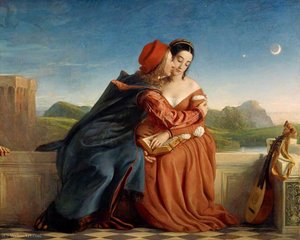
Portrét William Dyce

69 najznámejších obrazov od umelca William Dyce, každý jedinečný

Aktualizované november 2026 · zoradené podľa našej miery popularity (vyhľadávanie, návštevy a objednávky pre každou prácu) · 69 dielov umelca William Dyce v našom katalógu

Stručne povedané

Piety: The Knights of the Round Table about to Depart in Quest of the Holy Grail (1849) je obrazom umelca William Dyce, ktorý priťahuje najviac pohľadov; originál sa nachádza v múzeu Scottish National Gallery, Edinburgh. Potom sa pohľad presunie na James Hamilton, 1749 - 1835. Physician (1832) a The meeting of Jacob and Rachel (1853). Z 69 diel umelca William Dyce v našom katalógu je týchto 69 najznámejších; každá z nich je jedinečným originálom prezentovaným s jeho rokom vzniku, múzeom a dôvodom, prečo pretrváva.

1806 – 1864, Aberdeen Najviac diel: Scottish National Gallery

Top 10 obrazov umelca William Dyce podľa výberu galérie

1
Piety: The Knights of the Round Table about to Depart in Quest of the Holy Grail (1849) od William Dyce

Piety: The Knights of the Round Table about to Depart in Quest of the Holy Grail

1849 · Oil On Canvas · Scottish National Gallery, Edinburgh

In the grand tapestry of Victorian Romanticism, few works capture the intersection of myth and morality as profoundly as William Dyce’s 1849 masterpiece, Piety: The Knights of the Round Table about to Depart in Quest of the Holy Grail. This monumental canvas is far more than a mere historical tableau; it is an evocative meditation on the spiritual yearning that pulsed through the heart of the nineteenth century. As the…

2
James Hamilton, 1749 - 1835. Physician (1832) od William Dyce

James Hamilton, 1749 - 1835. Physician

1832 · Oil On Canvas · Škótska národná galéria portrétov, Edinburgh

A single figure occupies the vertical composition of this oil on canvas, rendered in a formal 19th-century academic style. James Hamilton stands slightly off-center, his body oriented toward the viewer. He is dressed in period attire consisting of a dark, textured frock coat, breeches, and a dark tricorne-style hat. A light cream cravat provides a sharp tonal contrast against the darker elements of his clothing and the skin tones of…

3
The meeting of Jacob and Rachel (1853) od William Dyce

The meeting of Jacob and Rachel

1853 · Oil On Canvas · New Walk Museum - Art Gallery, Leicester

The scene captures the instant of profound emotional contact between Jacob and Rachel, drawn from the Book of Genesis. A muscular man, lunging forward with urgent intensity, reaches toward a woman standing by a stone structure. He is draped in heavy animal furs and a red patterned sash, his hands grasping a large clay vessel. She stands with a graceful, upright posture, her expression demure and eyes cast downward. The…

7
Scene in Arran (1859) od William Dyce

Scene in Arran

1859 · Oil On Canvas

In Scene in Arran, William Dyce organizes a pastoral valley through a balanced arrangement of natural and man-made forms. A prominent hill and a central river dictate the structural flow of the landscape, creating a sense of depth that recedes toward distant mountains. Trees and buildings flank the composition, framing the riverbank where the primary activity occurs. The arrangement emphasizes a harmonious relationship between the terrain and the inhabitants of…

8
The Virgin and Child (1845) od William Dyce

The Virgin and Child

1845 · Oil On Canvas · Royal Collection, Londýn

This evocative painting, depicting The Virgin and Child, immediately draws the viewer into a moment of profound intimacy. At its heart lies the tender connection between mother and son; Mary cradles her young boy with palpable love and exquisite care. Her face, veiled in delicate fabric, speaks volumes of purity and modesty, lending an air of timeless grace to the sacred subject matter. The composition is masterfully balanced, guiding the…

Slávne obrazy umelca William Dyce, čísla 11 až 69

11Westburn (1827) od William DyceWestburn1827 12Portrait of Alexander Jardine (1834) od William DycePortrait of Alexander Jardine1834 13The Descent of Venus (2nd Version) od William DyceThe Descent of Venus (2nd Version) 14Life study od William DyceLife study 15The Judgement of Solomon od William DyceThe Judgement of SolomonScottish National Gallery 16Nicholson bain od William DyceNicholson bain 17Saint catherine od William DyceSaint catherineScottish National Gallery 18The honourable charlotte noel od William DyceThe honourable charlotte noel 19The Descent of Venus od William DyceThe Descent of Venus 20Beatrice od William DyceBeatrice 21Head of a Man od William DyceHead of a ManBirmingham Museum and Art Gallery 22Bacchus Nursed by the Nymphs of Nyssa od William DyceBacchus Nursed by the Nymphs of Nyssa 23Miss hannah carnegie od William DyceMiss hannah carnegie 24King Lear and the Fool in the Storm od William DyceKing Lear and the Fool in the StormScottish National Gallery 25St Joseph (1847) od William DyceSt Joseph1847 · Royal Collection 26Rosslyn Chapel, South Aisle od William DyceRosslyn Chapel, South AisleScottish National Gallery 27Westburn od William DyceWestburn 28Recollection of Pegwell Bay od William DyceRecollection of Pegwell Bay 29Isabella cay od William DyceIsabella cay 30View of Loch Lomond od William DyceView of Loch LomondScottish National Gallery 31Madonna and Child od William DyceMadonna and Child 32Motherhood od William DyceMotherhood 33John Small and His Son od William DyceJohn Small and His Son 34The Woman of Samaria od William DyceThe Woman of SamariaBirmingham Museum and Art Gallery 35The highland ferryman od William DyceThe highland ferryman 36Christ Enthroned with Saints od William DyceChrist Enthroned with Saints 37Pegwell Bay, Kent - a Recollection of October 5th (1858) od William DycePegwell Bay, Kent - a Recollection of October 5th (1858) 38Mrs william crombie od William DyceMrs william crombie 39Welsh Landscape with Two Women Knitting od William DyceWelsh Landscape with Two Women Knitting 40Virgin and Child od William DyceVirgin and Child 41The Garden of Gethsemane od William DyceThe Garden of Gethsemane 42Man of Sorrows od William DyceMan of SorrowsScottish National Gallery 43Christabel od William DyceChristabel 44Dante and Beatrice od William DyceDante and Beatrice 45Francis humberston od William DyceFrancis humberston 46Henry VI at Towton, North Yorkshire od William DyceHenry VI at Towton, North Yorkshire 47Alexander webster od William DyceAlexander webster 48Study for 'Cain' od William DyceStudy for 'Cain' 49The Daughters of Jethro Defended by Moses od William DyceThe Daughters of Jethro Defended by Moses 50Lowry william frederick dyce od William DyceLowry william frederick dyce 51Mrs John Clerk Maxwell and Her Son, James od William DyceMrs John Clerk Maxwell and Her Son, JamesBirmingham Museum and Art Gallery 52Sir James McGrigor od William DyceSir James McGrigor 53Omnia vanitas od William DyceOmnia vanitas 54John Knox Dispensing the Sacrament od William DyceJohn Knox Dispensing the Sacrament 55Francesca da Rimini od William DyceFrancesca da RiminiScottish National Gallery 56The goatherd od William DyceThe goatherd 57Christ's Entry into Jerusalem od William DyceChrist's Entry into Jerusalem 58Lamentation over the Dead Christ od William DyceLamentation over the Dead Christ 59Titian Preparing to Make His First Essay in Colouring od William DyceTitian Preparing to Make His First Essay in Colouring 60James chalmers od William DyceJames chalmers 61George Herbert at Bemerton, Salisbury od William DyceGeorge Herbert at Bemerton, Salisbury 62Portrait of a Lady od William DycePortrait of a Lady 63The Meeting of Jacob and Rachel od William DyceThe Meeting of Jacob and Rachel 64The infant hercules od William DyceThe infant herculesScottish National Gallery 65Sir galbraith lowry cole od William DyceSir galbraith lowry coleNational Portrait Gallery 66Titian's first painting od William DyceTitian's first painting 67Sketch of a Doorway with a Water Barrel od William DyceSketch of a Doorway with a Water Barrel 68Amongst the Trees od William DyceAmongst the Trees 69Pegwell Bay, Kent - a Recollection of October 5th 1858 (1858) od William DycePegwell Bay, Kent - a Recollection of October 5th 18581858 · Tate Britain

Motívy, ktoré zaujali William Dyce

Štyri témy, ktoré sa v týchto origináloch najčastejšie vracajú, každá s jej najvychybenejším príkladom.

Múzeá, ktoré uchovávajú originály umelca William Dyce

8 múzeá, v ktorých sa nachádza najviac obrazov z tejto stránky.

Múzeá Mesto Diela umelca William Dyce Obrazy z tohto zoznamu
Scottish National Gallery, EdinburghScottish National Gallery Edinburgh 10 Piety: The Knights of the Round Table about to Depart in Quest of the Holy Grail, David in the Wilderness, The Judgement of Solomon
Birmingham Museum and Art Gallery, BirminghamBirmingham Museum and Art Gallery Birmingham 3 Head of a Man, The Woman of Samaria, Mrs John Clerk Maxwell and Her Son, James
Royal Collection, LondýnRoyal Collection Londýn 2 The Virgin and Child, St Joseph
Škótska národná galéria portrétov, EdinburghŠkótska národná galéria portrétov Edinburgh 1 James Hamilton, 1749 - 1835. Physician
New Walk Museum - Art Gallery, LeicesterNew Walk Museum - Art Gallery Leicester 1 The meeting of Jacob and Rachel
Minneapolis Institute of Art, MinneapolisMinneapolis Institute of Art Minneapolis 1 Eliezer of Damascus
Aberdeen Art GalleryAberdeen Art Gallery 1 Portrait of a Lady (The Artist's Wife)
National Portrait Gallery, LondýnNational Portrait Gallery Londýn 1 Sir galbraith lowry cole

William Dyce naprieč dekádami: jeden jedinečný originál pre každý

Diela podľa dekád

Vyberte si dekádu a pozrite si originál, ktorý ju definuje.

Obrazy umelca William Dyce: otázky pre galériu

Akým najznámejším dielom sa pýta William Dyce?Odhaľte odpoveď

Piety: The Knights of the Round Table about to Depart in Quest of the Holy Grail (1849), Scottish National Gallery, Edinburgh. Nasledujú James Hamilton, 1749 - 1835. Physician (1832) a The meeting of Jacob and Rachel (1853).

V akom veku vytvoril/a William Dyce dielo Piety: The Knights of the Round Table about to Depart in Quest of the Holy Grail?Odhaľte odpoveď

43 rokov: Piety: The Knights of the Round Table about to Depart in Quest of the Holy Grail vzniklo v roku 1849 a William Dyce sa narodil/a v roku 1806.

Ktorých desať obrazov William Dyce je najznámejších?Odhaľte odpoveď

Piety: The Knights of the Round Table about to Depart in Quest of the Holy Grail, James Hamilton, 1749 - 1835. Physician, The meeting of Jacob and Rachel, Eliezer of Damascus, Portrait of a Lady (The Artist's Wife), Design For A Stained Glass Window In Ely Cathedral by William Dyce - William Dyce, Scene in Arran, The Virgin and Child, Saint john leading home his adopted mother a David in the Wilderness. Vyššie uvedené hodnotenie uvádza rok a múzeu pre každé z nich.

Koľko je známych diel umelca William Dyce?Odhaľte odpoveď

Náš katalóg obsahuje 69 diel od umelca William Dyce z perioda od 1827 do 1860.

Kde možno vidieť najznámejšie originály od William Dyce?Odhaľte odpoveď

Väčšinou v Scottish National Gallery (Edinburgh), Birmingham Museum and Art Gallery (Birmingham) a Royal Collection (Londýn). Tabuľka múzeí vyššie ich všetky uvádza.

V akom období vytvoril/a William Dyce svoje najznámejšie obrazy?Odhaľte odpoveď

V období 1850s: 5 z 69 diel na tejto stránke bolo vytvorených vtedy, pričom The meeting of Jacob and Rachel z nich.

Ktorý z najslávnejších obrazov autora William Dyce je najstarší a ktorý najnovší?Odhaľte odpoveď

Na tejto stránke je najstaršie dielo z Westburn (1827) a najnovšie z Eliezer of Damascus (1860).

Aké témy obľúbené William Dyce?Odhaľte odpoveď

Landscape (6), Women (6) a Victorian era (5), v rámci 69 diel na tejto stránke.

S akými materiálmi mal(a) William Dyce najčastejšie pracuje?Odhaľte odpoveď

Oil On Canvas, pre 7 z 69 diel na tejto stránke.

Aké originály od William Dyce môžem vidieť v Scottish National Gallery?Odhaľte odpoveď

Piety: The Knights of the Round Table about to Depart in Quest of the Holy Grail, David in the Wilderness a The Judgement of Solomon: múzeá Scottish National Gallery, Edinburgh uchovávajú 10 z diel na tejto stránke.

William Dyce: portrét umelca

Early Life and Artistic Training

William Dyce (1806–1864) sa narodil v Aberdene, Škótsko, ako syn Dr. Williama Dyca FRSE, lekára a člena Kráľovskej spoločnosti, a Margaret Chalmersovej, dcéry bohatého bankiera. Jeho rodina podporovala vášeň pre učenie a kultúru, vybavila ho silnou základňou pre jeho budúce umelecké úsilie. Navštevoval univerzitu Marischal College v Aberdene, kde získal titul b čekať na magisterský stupeň už v šestnásti rokoch – pozoruhodný výsledok pre to obdobie. Vďaka talentu pre dizajn nasledoval formálne vzdelanie na Royal Academy Schools v Edinburgh a Londýne, hlboko sa ponoril do štúdia klasického umenia a osvojil si techniky nevyhnutné pre jeho neskoršiu kariéru. Jeho rané roky boli poznačené vystavením vplyvných umeleckých myšlienok kolujúcich v Škótsku aj Anglicku, ktoré formovali jeho estetické zmysly a uštvorili ho ako študenta hlboko zaviazateľného k umeleckej dokonalosti.

Italian Influences and Artistic Development

Prvá rozsiahla cesta zaoberajúca sa umením Dyceho sa uskutočnila v roku 1825, keď cestoval do Ríma – zásadný okamih, ktorý neodmysliteľne zmenil smer jeho umeleckého života. Vďaka nádhernému renesančnému umeniu a fascinácii duchom Nazarencových mal Dyce deväť mesiacov venovaných dôslednému štúdu diel Titiana a Poussina, absorboval ich kompozičné princípy a mistorne ovládal ich majstrovské použitie farieb. Toto ponorenie do talianskej umeleckej tradície hlboko ovplyvnilo jeho štýl, podporujúc prednosť pre detailné pozorovanie a vyjadrovanie hlbokého duchovného zamyšlenia – charakteristiky, ktoré sa stávajú známymi znakmi jeho diela. V roku 1826 sa vrátil do Aberdene a pokračoval v zdokonalovaní svojich schopností ako malára a vytvoril niekoľko významných diel, vrátane Bacchusa Nursed by the Nymphs of Nysa, ktoré získali značnú obdivovanosť.

Edinburgh Years and Portraiture

Dyce sa usadil v Edinburghe ako portrétista v polovici 30-tych rokov. Zabezpečil si zážitky od významných osobností škotskej spoločnosti. Jeho precíznosť v detaile – najmä jeho schopnosť zachytiť jemné emócie a psychologické nuansy – mu zaradila značnú povesť. Mistorne spájal klasické vplyvy s romantickými zmyslami, vytváral portréty, ktoré boli zároveň esteticky dokonalé a emocionálne rezonančné. Paralelne obhajoval príčinu umeleckého vzdelávania, presadzujúc založenie školy dizajnu v Edinburghe – pozíciu, ktorú zastával až do roku 1843, kde dohliadal na jej rozvoj a modernizáciu. Jeho zapojenie prebiehalo aj mimo pedagogických úsilí; slúžil ako poradca pri architektonických projektoch, vrátane návrhu nového parlamentu – projektu, ktorý ukázal jeho zručnosti v freskovaní a upevnil jeho povesť ako jedného z najvýznamnejších umelcov Británie.

London Engagement and Architectural Patronage

V roku 1837 Dyce presadil presun do Londýna, kde prevzal posteľ hlavného dozorcu školy dizajnu v Somerset House. Toto znamenalo zásadný bod v jeho kariére, ktorý ho poslal do srdca viktoriánskej umeleckej diskuzie a zabezpečil mu prístup k vplyvným patrónom – najmä princovi Albertovi. Provádzal rozsiahly výskum umeleckých pedagogických metód v zahraničí, čo formovalo vytvorenie “South Kensington System”, ktorý by dominoval anglickej umeleckej výučbe na desiatky rokov. Dyceho zapojenie neobmedzovalo sa len pedagogickými úsiliami; slúžil ako poradca pri architektonických projektoch, vrátane návrhu nového parlamentu – projektu, ktorý ukázal jeho zručnosti v freskovaní a upevnil jeho povesť ako jedného z najvýznamnejších umelcov Británie.

Major Achievements and Legacy

Dyceho umelecké dielo spočíva primárne v dvoch monumentálnych podmienkach: dekorácii Westminster Abbey a vytvorení parlamentu Houses of Parliament. Jeho fresky v Westminster Abbey – najmä Neptune Resigning to Britannia – predstavujú triumf viktoriánskej ambície a umeleckej vize, vyjadrujúce sa imperialistická Británia a demonštrujú Dyceho neprekonateľné zručnosti v technike fresky. Avšak jeho najznámejšie dielo je Pegwell Bay, Kent – krajinský obraz, ktorý exemplifikuje Dyceovu detailnú pozornosť k prírode a jeho schopnosť vyjadriť hlboké emócie. Okrem toho jeho prínos umeleckému vzdelávaniu – založenie Royal College of Art a jeho obhajoba inovatívnych pedagogických prístupov – vydržal ako dôkaz jeho neochabujúcej viery v transformačnú silu umeleckého vzdelávania. William Dyce zostáva umelcom, ktorého dielo reprezentuje ducha viktoriánskej Británie – charakterizovaný intelektuálnou zvídavosťou, morálnym serióznostou a vášňou za zlepšenie ľudského kultúry.