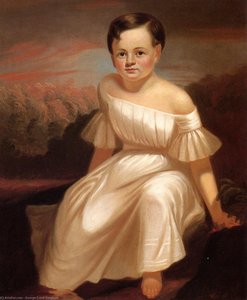
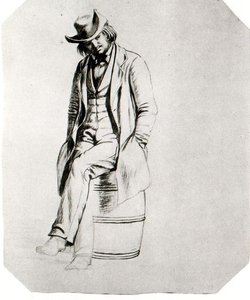
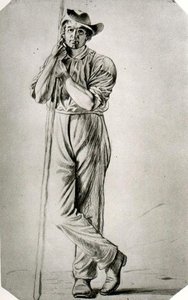
Portrét George Caleb Bingham

100 najznámejších obrazov od George Caleb Bingham, výber z galérie

Aktualizované november 2026 · zoradené podľa našej miery popularity (vyhľadávanie, návštevy a objednávky pre každou prácu) · 189 dielov umelca George Caleb Bingham v našom katalógu

Stručne povedané

Z všetkých originálov, ktoré George Caleb Bingham zanechal, je najznámejší The Squatters (1850), ktorý sa nachádza v zbierkach Museum of Fine Arts v meste Boston. Hneď za ním nasledujú Country Politician (1849) a Trappers' Return (1851). Náš katalóg obsahuje 189 diel od George Caleb Bingham; galéria si zachovala tých 100, ktoré obdivuje celý svet, pričom každý z nich je prezentovaný spolu s jeho dátumom, múzeou a príbehom.

1811 – 1879, Utrecht American realism Najviac diel: Saint Louis Art Museum

Top 10 obrazov umelca George Caleb Bingham: výber galérie

1
The Squatters (1850) od George Caleb Bingham

The Squatters

1850 · Oil On Canvas · Museum of Fine Arts, Boston

To gaze upon "The Squatters" is to be transported across time, standing at the threshold of a bygone American era. This painting captures more than just a scene; it encapsulates an entire ethos—the raw, tenacious spirit of early settlement in the vast American West during the mid-nineteenth century. The composition centers on two figures and their loyal dog, positioned before a humble, roughly constructed log cabin. It is a tableau…

2
Country Politician (1849) od George Caleb Bingham

Country Politician

1849 · Oil On Canvas · Fine Arts Museums of San Francisco, San Francisco

Step closer and observe the quiet intensity within this dimly lit interior. We find ourselves in a rural Missouri tavern, a space where the air feels heavy with the weight of local discourse. The scene is centered upon a small group of men, their faces illuminated by a soft, diffused light that seems to emanate from a nearby stove. One man, likely a politician, leans forward in an attempt to…

3
Trappers' Return (1851) od George Caleb Bingham

Trappers' Return

1851 · Oil On Canvas · Detroit Institute of Arts, Detroit

In the quietude of George Caleb Bingham’s 1851 masterpiece, Trappers' Return, we are transported to the untamed heart of the nineteenth-century American Midwest. This evocative oil on canvas serves as a profound window into the era of westward expansion, capturing a moment of serene triumph along the winding Missouri River. The scene centers upon two rugged men navigating a canoe through the gentle currents, their journey marked by the presence…

4
The Mill Boy: The Boonville Juvenile Clay Club Banner (1844) od George Caleb Bingham

The Mill Boy: The Boonville Juvenile Clay Club Banner

1844

The scene unfolds within the frame of The Mill Boy: The Boonville Juvenile Clay Club Banner. This work, painted by George Caleb Bingham, captures a specific moment of life from about 1844. The artist, George Caleb Bingham, focuses his attention on a single figure, presenting a portrait of a young man that feels immediate and present.

5
Washington Crossing the Delaware od George Caleb Bingham

Washington Crossing the Delaware

Acrylic On Canvas · Chrysler Museum of Art, Norfolk

Bingham’s background profoundly shaped his artistic vision. Born in Augusta County, Virginia, he witnessed firsthand the challenges and opportunities presented by westward expansion – a theme that permeates much of his work. This experience instilled within him an understanding of the American spirit: resilience, determination, and a belief in self-governance. Washington himself becomes more than just a military commander; he transforms into an archetype of American virtue, representing the values…

6
John Quincy Adams (1850) od George Caleb Bingham

John Quincy Adams

1850 · Oil · Detroit Institute of Arts, Detroit

This bust-length oil portrait is organized around a central subject who faces slightly toward the viewer's left. The composition is formal and somber, focusing the viewer's attention on the facial features and the character of the elderly man. A chiaroscuro-like lighting technique is employed, where light falls directly onto the subject's forehead, cheek, and collar. This directional light creates a sense of three-dimensional volume against the surrounding shadows. The background…

7
Old Woman Reading (1834) od George Caleb Bingham

Old Woman Reading

1834 · Oil On Canvas · Rijksmuseum, Amsterdam

The room is dim, held in a soft, amber-hued stillness that seems to swallow the sounds of the outside world. An elderly woman sits at the center of this private universe, her body forming a steady, triangular shape that anchors the composition. She is lost in the pages of a large book, her gaze fixed upon the text with a focus that suggests a deep, internal dialogue. A single, unseen…

8
Night School (1835) od George Caleb Bingham

Night School

1835 · Oil · Rijksmuseum, Amsterdam

In this 1835 oil painting, we find ourselves drawn into a nocturnal classroom, a space defined by the heavy presence of shadow and the soft, localized glow of candlelight. The composition relies heavily on a chiaroscuro technique, where the darkness of the room is interrupted by the warm, directional light emanating from a central shaded lamp and small candles. This light directs our attention toward the figures at the heart…

10
Old Man in his Study (1833) od George Caleb Bingham

Old Man in his Study

1833 · Oil · Rijksmuseum, Amsterdam

A Moment of Quiet Contemplation Old Man in his Study presents us with an intimate glimpse into a private world. The scene is centered on an elderly man, seated and lost in deep thought or perhaps succumbing to the weight of fatigue. He sits within a dimly lit room, where heavy, dark drapery frames the right and top edges of the composition, creating a sense of enclosure that pulls the…

Výber umelcov George Caleb Bingham pokračuje, od 11 do 100

11Mrs. Henry Lewis (Elizabeth Morton Woodson) (1838) od George Caleb BinghamMrs. Henry Lewis (Elizabeth Morton Woodson)1838 · Saint Louis Art Museum 12Shooting for the Beef (1850) od George Caleb BinghamShooting for the Beef1850 · Brooklyn Museum 13The Student (Dr. Oscar Fitzland Potter) (1848) od George Caleb BinghamThe Student (Dr. Oscar Fitzland Potter)1848 · Saint Louis Art Museum 14Fiddler (study for the Jolly Flatboatmen) (1846) od George Caleb BinghamFiddler (study for the Jolly Flatboatmen)1846 · The Nelson-Atkins Museum of Art 15Study of a Boatman for Boatmen on the Missouri od George Caleb BinghamStudy of a Boatman for Boatmen on the Missouri 16Judge Henry Lewis (1838) od George Caleb BinghamJudge Henry Lewis1838 · Saint Louis Art Museum 17Deer in a Stormy Landscape (1852) od George Caleb BinghamDeer in a Stormy Landscape1852 18Order No. 11 (1868) od George Caleb BinghamOrder No. 111868 19The Checker Players (also known as Playing Checkers) (1850) od George Caleb BinghamThe Checker Players (also known as Playing Checkers)1850 · Detroit Institute of Arts 20Rachel Spears Johnston (1786-1850) (1837) od George Caleb BinghamRachel Spears Johnston (1786-1850)1837 · Minneapolis Institute of Art 21Dr. John Sappington (1834) od George Caleb BinghamDr. John Sappington1834 22Major James Sidney Rollins (1834) od George Caleb BinghamMajor James Sidney Rollins1834 23Miss Sallie Ann Camden (1839) od George Caleb BinghamMiss Sallie Ann Camden1839 24Landscape with Waterwheel and Boy Fishing (1853) od George Caleb BinghamLandscape with Waterwheel and Boy Fishing1853 · Museum of Fine Arts 25Captain William Johnston (1776-1850) (1850) od George Caleb BinghamCaptain William Johnston (1776-1850)1850 · Minneapolis Institute of Art 26Portrait of Reverend John Glanville (1845) od George Caleb BinghamPortrait of Reverend John Glanville1845 27Lighter Relieving the Steamboat Aground (1846) od George Caleb BinghamLighter Relieving the Steamboat Aground1846 28Family Life on the Frontier (1845) od George Caleb BinghamFamily Life on the Frontier1845 29John Locke Hardeman (1850) od George Caleb BinghamJohn Locke Hardeman1850 30Portrait of Mrs. George Caleb Bingham (nee. Eliza K. Thomas) (1849) od George Caleb BinghamPortrait of Mrs. George Caleb Bingham (nee. Eliza K. Thomas)1849 31The Verdict of the People (1854) od George Caleb BinghamThe Verdict of the People1854 32Mississippi Boatman (1850) od George Caleb BinghamMississippi Boatman1850 33The Wood Boat (1850) od George Caleb BinghamThe Wood Boat1850 · Saint Louis Art Museum 34Jolly Flatboatmen in Port (1857) od George Caleb BinghamJolly Flatboatmen in Port1857 · Saint Louis Art Museum 35Washington Crossing the Deleware (1856) od George Caleb BinghamWashington Crossing the Deleware1856 36Jolly Flatboatmen in Port (1857) od George Caleb BinghamJolly Flatboatmen in Port1857 37Mary Frances Ward (1871) od George Caleb BinghamMary Frances Ward1871 · The Nelson-Atkins Museum of Art 38The Puzzled Witness (1874) od George Caleb BinghamThe Puzzled Witness1874 39View of Pike's Peak (1872) od George Caleb BinghamView of Pike's Peak1872 · Amon Carter Museum of American Art 40Self Portrait (1877) od George Caleb BinghamSelf Portrait1877 · Nelson-Atkins Museum of Art 41Samuel Bullitt Churchill (1838) od George Caleb BinghamSamuel Bullitt Churchill1838 42Self Portrait (1834) od George Caleb BinghamSelf Portrait1834 · Saint Louis Art Museum 43Cottage Scene (1845) od George Caleb BinghamCottage Scene1845 · National Gallery of Art 44Raftsmen Playing Cards (1847) od George Caleb BinghamRaftsmen Playing Cards1847 45Marketstall at Evening od George Caleb BinghamMarketstall at EveningMuseum Boijmans Van Beuningen 46Wood-Boatmen on a River (1854) od George Caleb BinghamWood-Boatmen on a River1854 · Amon Carter Museum of American Art 47Raftsmen Playing Card od George Caleb BinghamRaftsmen Playing CardSaint Louis Art Museum 48Canvassing for a Vote (1851) od George Caleb BinghamCanvassing for a Vote1851 · Nelson-Atkins Museum of Art 49Jane Breathitt Sappington (also known as Mrs. John Sappington) (1834) od George Caleb BinghamJane Breathitt Sappington (also known as Mrs. John Sappington)1834 50Mrs. David Steele Lamme and Son, William Wirt (1837) od George Caleb BinghamMrs. David Steele Lamme and Son, William Wirt1837 51Leonidas Wetmore (1839) od George Caleb BinghamLeonidas Wetmore1839 52Landscape with Cattle (1846) od George Caleb BinghamLandscape with Cattle1846 · Saint Louis Art Museum 53part of a forest with figures (1846) od George Caleb Binghampart of a forest with figures1846 54The Jolly Flatboatmen (1846) od George Caleb BinghamThe Jolly Flatboatmen1846 55Mrs. George Caleb Bingham (Sarah Elizabeth Hutchinson) and Son Newton (1842) od George Caleb BinghamMrs. George Caleb Bingham (Sarah Elizabeth Hutchinson) and Son Newton1842 56Landscape with Cattle (1846) od George Caleb BinghamLandscape with Cattle1846 57Landscape: Rural Scene (1845) od George Caleb BinghamLandscape: Rural Scene1845 58Captured by Indians (1848) od George Caleb BinghamCaptured by Indians1848 · Saint Louis Art Museum 59The Dull Story (1843) od George Caleb BinghamThe Dull Story1843 · Saint Louis Art Museum 60The Concealed Enemy (1845) od George Caleb BinghamThe Concealed Enemy1845 61Market By Moonlight (1850) od George Caleb BinghamMarket By Moonlight1850 · Centraal Museum 62Mississippi Boatman (1850) od George Caleb BinghamMississippi Boatman1850 · National Gallery of Art 63Sarah (Sallie) thomas (1850) od George Caleb BinghamSarah (Sallie) thomas1850 64Stump Speaking (1853) od George Caleb BinghamStump Speaking1853 · Saint Louis Art Museum 65The County Election (no.2) (1852) od George Caleb BinghamThe County Election (no.2)1852 66Watching the Cargo (1849) od George Caleb BinghamWatching the Cargo1849 67In a Quandry (also known as Mississippi Raftsmen Playing Cards) (1851) od George Caleb BinghamIn a Quandry (also known as Mississippi Raftsmen Playing Cards)1851 68Watching the Cargo at Night (also known as Raftsmen at Night) (1854) od George Caleb BinghamWatching the Cargo at Night (also known as Raftsmen at Night)1854 69Portrait of a Woman with a Red Broach (1849) od George Caleb BinghamPortrait of a Woman with a Red Broach1849 70In a Quandary, or Mississippi Raftsmen at Cards (1851) od George Caleb BinghamIn a Quandary, or Mississippi Raftsmen at Cards1851 71The Emigration of Daniel Boone (1851) od George Caleb BinghamThe Emigration of Daniel Boone1851 72Mrs. Robert Levi Todd (Sallie Woodson Hall) and Daughter Matilda Téte (1860) od George Caleb BinghamMrs. Robert Levi Todd (Sallie Woodson Hall) and Daughter Matilda Téte1860 73Still Life With Jewelry Box (1867) od George Caleb BinghamStill Life With Jewelry Box1867 · Centraal Museum 74Martial Law (also known as Order No. 11) (1869) od George Caleb BinghamMartial Law (also known as Order No. 11)1869 75The Jolly Flatboatmen (2nd version) (1877) od George Caleb BinghamThe Jolly Flatboatmen (2nd version)1877 76Study of a Figure 41 od George Caleb BinghamStudy of a Figure 41 77Studies of Figures od George Caleb BinghamStudies of Figures 78Study of a Figure 33 od George Caleb BinghamStudy of a Figure 33 79Study of a Figure 44 od George Caleb BinghamStudy of a Figure 44 80Study of a Figure 42 od George Caleb BinghamStudy of a Figure 42 81Study of a Boatman 2 od George Caleb BinghamStudy of a Boatman 2 82Study of a Boatman 3 od George Caleb BinghamStudy of a Boatman 3 83Study of a Flatboatman od George Caleb BinghamStudy of a Flatboatman 84Study of a Figure 34 od George Caleb BinghamStudy of a Figure 34 85Study of a Figure 49 od George Caleb BinghamStudy of a Figure 49 86Study of a Figure 20 od George Caleb BinghamStudy of a Figure 20 87Study of a Boatman 1 od George Caleb BinghamStudy of a Boatman 1 88Study of a Figure for Stump Speaking od George Caleb BinghamStudy of a Figure for Stump Speaking 89Study of a Boatman for Boatmen on the Missouri 1 od George Caleb BinghamStudy of a Boatman for Boatmen on the Missouri 1 90Study of a Figure 11 od George Caleb BinghamStudy of a Figure 11 91Study of a Young Spectator od George Caleb BinghamStudy of a Young Spectator 92Study of a Fiddler od George Caleb BinghamStudy of a Fiddler 93Study of a Woodboatman 1 od George Caleb BinghamStudy of a Woodboatman 1 94Study of a Figure 46 od George Caleb BinghamStudy of a Figure 46 95Study of a Figure 37 od George Caleb BinghamStudy of a Figure 37 96Study of a Pioneer od George Caleb BinghamStudy of a Pioneer 97Study of a Figure 30 od George Caleb BinghamStudy of a Figure 30 98Study of a Figure 6 od George Caleb BinghamStudy of a Figure 6 99Study of a Figure 17 od George Caleb BinghamStudy of a Figure 17 100Study of a Figure 13 od George Caleb BinghamStudy of a Figure 13

Slávne obrazy umelca George Caleb Bingham podľa jednotlivých období

Motívy, ktoré zaujali George Caleb Bingham

Štyri témy, ktoré sa v týchto origináloch najčastejšie vracajú, každá s jej najvychybenejším príkladom.

Múzeá, ktoré uchovávajú originály umelca George Caleb Bingham

8 múzeá, v ktorých sa nachádza najviac obrazov z tejto stránky.

Múzeá Mesto Diela umelca George Caleb Bingham Obrazy z tohto zoznamu
Saint Louis Art Museum, Saint LouisSaint Louis Art Museum Saint Louis 15 Mrs. Henry Lewis (Elizabeth Morton Woodson), The Student (Dr. Oscar Fitzland Potter), Judge Henry Lewis
Detroit Institute of Arts, DetroitDetroit Institute of Arts Detroit 4 Trappers' Return, John Quincy Adams, The Checker Players (also known as Playing Checkers)
Rijksmuseum, AmsterdamRijksmuseum Amsterdam 3 Old Woman Reading, Night School, Old Man in his Study
Amon Carter Museum of American Art, Fort WorthAmon Carter Museum of American Art Fort Worth 3 View of Pike's Peak, Wood-Boatmen on a River
Nelson-Atkins Museum of Art, Kansas CityNelson-Atkins Museum of Art Kansas City 3 Self Portrait, Canvassing for a Vote
National Gallery of Art, WashingtonNational Gallery of Art Washington 3 Cottage Scene, Mississippi Boatman
Museum of Fine Arts, BostonMuseum of Fine Arts Boston 2 The Squatters, Landscape with Waterwheel and Boy Fishing
The Nelson-Atkins Museum of Art, Kansas CityThe Nelson-Atkins Museum of Art Kansas City 2 Fiddler (study for the Jolly Flatboatmen), Mary Frances Ward

George Caleb Bingham dekáda po dekáde: originál, ktorý definuje každú z nich

Diela podľa dekád

Vyberte si dekádu a pozrite si originál, ktorý ju definuje.

Otázky zberateľov o obrazoch od George Caleb Bingham

Ktorým dielom je George Caleb Bingham najznámejší/najznámejšia?Odhaľte odpoveď

The Squatters (1850), Museum of Fine Arts, Boston. Nasledujú Country Politician (1849) a Trappers' Return (1851).

V akom veku bol/a George Caleb Bingham, keď vzniklo dielo The Squatters?Odhaľte odpoveď

39 rokov: The Squatters vzniklo v roku 1850 a George Caleb Bingham sa narodil/a v roku 1811.

Ktorých desať najznámejších obrazov má George Caleb Bingham?Odhaľte odpoveď

The Squatters, Country Politician, Trappers' Return, The Mill Boy: The Boonville Juvenile Clay Club Banner, Washington Crossing the Delaware, John Quincy Adams, Old Woman Reading, Night School, George Caleb Bingham Self-Portrait a Old Man in his Study. Vyššie uvedené hodnotenie uvádza rok a múzeu pre každé z nich.

Koľko obrazov zanechal umenec George Caleb Bingham?Odhaľte odpoveď

Náš katalóg obsahuje 189 diel od umelca George Caleb Bingham z perioda od 1833 do 1877.

V ktorých múzeách visia majstrovské diela umelca George Caleb Bingham?Odhaľte odpoveď

Väčšinou v Saint Louis Art Museum (Saint Louis), Detroit Institute of Arts (Detroit) a Rijksmuseum (Amsterdam). Tabuľka múzeí vyššie ich všetky uvádza.

V ktorých rokoch vytvoril George Caleb Bingham svoje najznámejšie diela?Odhaľte odpoveď

V období 1850s: 27 z 100 diel na tejto stránke bolo vytvorených vtedy, pričom The Squatters z nich.

Aké sú prvé a posledné známe originály od George Caleb Bingham?Odhaľte odpoveď

Na tejto stránke je najstaršie dielo z Old Man in his Study (1833) a najnovšie z Self Portrait (1877).

Aké témy si George Caleb Bingham najčastejšie vyberal/a?Odhaľte odpoveď

Portrait (16), Man (15) a 19th century (11), v rámci 100 diel na tejto stránke.

Ktorú techniku používal(a) George Caleb Bingham najčastejšie?Odhaľte odpoveď

Oil On Canvas, pre 36 z 100 diel na tejto stránke.

Do ktorého umeleckého smeru patrí George Caleb Bingham?Odhaľte odpoveď

American realism, podľa originálov na tejto stránke.

Aké diela umelca George Caleb Bingham sa nachádzajú v múzeu Saint Louis Art Museum?Odhaľte odpoveď

Mrs. Henry Lewis (Elizabeth Morton Woodson), The Student (Dr. Oscar Fitzland Potter) a Judge Henry Lewis: múzeá Saint Louis Art Museum, Saint Louis uchovávajú 11 z diel na tejto stránke.

George Caleb Bingham: život a dielo

George Caleb Bingham: Majstrovské Práce z Amerického Frontieru

George Caleb Bingham, narodený v roku 1811 v oblasti Augusta County v Virgínii, nebol určený na život sprevádzaný umelckým konvencia. Jeho rané roky boli poznačené pohybom a adaptáciou – rodinná migrácia na rozvíjajúci sa Missourianský frontier formoval jeho perspektívu hlbokými spôsobmi. Tento prechod z usadenej Východu na čerstvý, energický Západ sa stal základom jeho umeleckej vize. Ťahanice, ktorým jeho rodina čelila, vložili do neho ostré povedomie o bojoch a triumfoch spojených s americkým zážitkom – témy, ktoré by dominovali jeho plátny na desaťročia. Kľúčová udalosť vo veku deviatich rokov, keď stretol Chester Harding, cestujúceho portrétistu prechádzajúceho Franklinom v Missouri, rozžiarlil iskru. Táto krátka prezentácia nebola len úvod do techniky; bola to odhalenie umeleckej moci zachytávať nie len podobnosť, ale aj esenciu ľudského charakteru. Hoci sa na začiatku väčšinou učil sám, Bingham zdokonalil svoje zručnosti prostredníctvom štipendium u drevárneho majstra, kde získal precíznu kresbu a oko pre detail – vlastnosti, ktoré sa stali znakmi jeho dospelého štýlu. Už v 19 rokoch zaroboval ako portrétista, čo demonštrovalo vrodený talent, ktorý rýchlo zabezpečil jeho postavenie v miestnej komunite. Tento skorý úspech ho pohádal do St. Louis, živého centra, kde hľadal zlepšenie svojich zručností a ponorenia sa do rastúceho umeleckej scény.

Luministický Dotyk a Americká Realistická

Binghamova umelcká cesta nebola obmedzená formálnou výučbou; bola hlboko spojená s okolím – majestátnymi riekami Mississippi a Missouri, živými rieverskými mestami plnými života a rôznymi ľuďmi, ktorí navigovali touto dynamickou krajinou. Stal sa pozoruhodným pozorovateľom americkej spoločnosti, najmä po týchto životne dôležitých vodných cestách, ktoré slúžili ako tepny obchodu a migrácie. Jeho štýl postupne vyvíjal, pričom prijímal prvky Luminizmu, umeleckého hnutia charakterizovaného dôrazom na atmosférické efekty a jemnú interakciu svetla. To je výrazne demonštrované v plátne *Order at the Border* (1850), kde zlaté tóny zapadajúceho slnka osvetľujú napätú rokovaciu situáciu medzi osadníkmi a indiánmi, čím dodávajú scéne krásu a podtón. Luminizmus však nebol Binghamovým jedným z umelckých smerov; vložil do svojich diel silný realistický prístup, snažiac sa zachytiť americký život s nezvratnou úprimnosťou a autenticitou. *The County Election* (1844) predstavuje možný príklad – živý obraz, ktorý zobrazuje demokratické hodnoty a túžby amerických osadníkov. Plátno nie je len reprezentácia udalosti; je to sociálny komentár, ktorý ponúka vhľad do morálnych a etických dilem, ktorým čelila mladá krajina pri riešení svojej identity. Jeho schopnosť zachytiť esenciu americkej kultúry sa úspešne ukazuje aj v *St. Louis Jockey, on the Battlefield* (1862), dojemnom odrazu civilných vojenového dopadu na každodenný život, ktorý odhaľuje jemné javy zanechané krajinou.

Témy Frontierového Života a Sociálneho Komentáru

Celú svoju kariéru Bingham neustále vracal k téme, ktorá je stredom amerického zážitku: rozvoj na západ, politická účasť, rytmy rieverského života a komplexnosti ľudských interakcií. Nebol odmietavý voči témam, ktoré boli spojené s americkým zážitkom; hľadal spôsob, ako ich zachytiť s úprimnosťou a autenticitou. Jeho plátna neboli len esteticky príjemné; boli to rozprávky, ktoré ponúkali pohľad na morálne a etické dilemy, ktorým čelila mladá krajina pri riešení svojej identity. *Raftsmen Playing Cards* a *The Checker Players* sú príklady, ktoré zachytávajú momenty voľného času, ale zároveň naznačujú ťažkosti a nejistoty tvorené týmito ľuďmi. Tieto diela demonštrujú Binghamovu zručnosť v imbuovaní obyčajných aktivít s pocitom hĺbky a významu. Nebol záujemca o idealizáciu frontiéra; hľadal spôsob, ako ho zobrazovať tak, aký bol – miesto plné príležitostí, ťažkostí a neustálej zmeny. Jeho plátna poskytujú cennú historickú správu, ktorá ponúka vhľad do sociálnych zvykov, politických názorov a každodenného života Američanov počas kritického obdobia ich histórie. *Family Life on the Frontier* (1845) ukazuje tento prístup – jemný, ale realistický obraz domáceho života v prostredí pionierskej existencie.

Obnova a Trvalá Dedina

Napriek svojmu postaveniu počas jeho života prežil Bingham obdobie relatívnej neznámej po smrti v roku 1879, pohánené rastúcou oceňovaním amerického regionálneho a realistického umenia. Táto obnova viedla k preskúmaniu jeho prínosov k americkej umeleckej histórii, uznaním ho za majstra techniky Luminizmu a sociálneho komentáru. Do roku 1930s sa Binghamovi znovu otvorila cesta, pohánaná rastúcim záujmom o jeho umelckú tvorbu. Jeho diela sú dnes uložené v dôležitých súkromných a múzeových zbierkach; konkrétne: National Gallery of Art, National Portrait Gallery, Wadsworth Atheneum, Amon Carter Museum of American Art, Saint Louis Art Museum, The Nelson-Atkins Museum of Art, Los Angeles County Museum of Art, Brooklyn Museum, White House a mnoho ďalších.
  • Canvassing for a Vote: Silný obraz politickej účasti na frontiéri.
  • Order No. 11: Ilustruje komplexity interakcií medzi osadníkmi a indiánmi.
  • Lighter Relieving the Steamboat Aground: Zachytáva moment amerického života v prostredí s úžasným detailom.
Prehliadanie Binghamovho sveta prostredníctvom reprodukcií umožňuje umeleckým nadšenciam spojenie s jeho majstrovskými dielami spôsobom, ktorý si uchováva pre budúce generácie.