Portrét Klaudius Emil Ščufneckecký

24 najznámejších obrazov od Klaudius Emil Ščufneckecký, výber z galérie

Aktualizované október 2026 · zoradené podľa našej miery popularity (vyhľadávanie, návštevy a objednávky pre každou prácu) · 26 dielov umelca Klaudius Emil Ščufneckecký v našom katalógu

Stručne povedané

Z všetkých originálov, ktoré Klaudius Emil Ščufneckecký zanechal, je najznámejší Émile Bernard (1889), ktorý sa nachádza v zbierkach Museum of Fine Arts, Houston v meste Houston. Hneď za ním nasledujú Le retour des foins (1890) a A View Of The Cliffs Of Etretat. Náš katalóg obsahuje 26 diel od Klaudius Emil Ščufneckecký; galéria si zachovala tých 24, ktoré obdivuje celý svet, pričom každý z nich je prezentovaný spolu s jeho dátumom, múzeou a príbehom.

1851 – 1934, Fresne-Saint-Mamès Post-impressionism Najviac diel: Wallraf-Richartz-Museum

Top 10 obrazov umelca Klaudius Emil Ščufneckecký: výber galérie

Výber umelcov Klaudius Emil Ščufneckecký pokračuje, od 11 do 24

Motívy, ktoré zaujali Klaudius Emil Ščufneckecký

Štyri témy, ktoré sa v týchto origináloch najčastejšie vracajú, každá s jej najvychybenejším príkladom.

Múzeá, ktoré uchovávajú originály umelca Klaudius Emil Ščufneckecký

5 múzeá, v ktorých sa nachádza najviac obrazov z tejto stránky.

Múzeá Mesto Diela umelca Klaudius Emil Ščufneckecký Obrazy z tohto zoznamu
Wallraf-Richartz-Museum, KolóniaWallraf-Richartz-Museum Kolónia 3 Child Dreaming Before the Sea, at Sunset, Kelp Gatherers, Notre Dame in the Snow
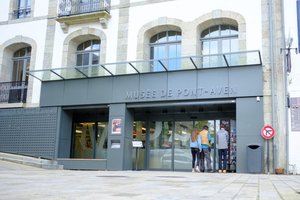
Musée de Pont-Aven, HastenparckMusée de Pont-Aven Hastenparck 3 Portrait of Jules Bois, Profile study of a young woman, Portrait of Madame Champsaur
Museum of Fine Arts, Houston, HoustonMuseum of Fine Arts, Houston Houston 1 Émile Bernard
Kröller-Müller Museum, OtterloKröller-Müller Museum Otterlo 1 Still Life with Bowl and Fruits
Musée des Beaux-Arts de Quimper, QuimperMusée des Beaux-Arts de Quimper Quimper 1 Rocky Coast in Brittany

Klaudius Emil Ščufneckecký rok po roku: originály, ktoré definujú každú éru

Výber zachytáva tvorbu umelca Klaudius Emil Ščufneckecký počas 12 rokov, od 1884 do 1895, pričom v ňom zostávajú najlepšie originály z každého roka.

Diela podľa roku

Vyberte si rok a pozrite si originály.

Otázky zberateľov o obrazoch od Klaudius Emil Ščufneckecký

Ktorým dielom je Klaudius Emil Ščufneckecký najznámejší/najznámejšia?Odhaľte odpoveď

Émile Bernard (1889), Museum of Fine Arts, Houston, Houston. Nasledujú Le retour des foins (1890) a A View Of The Cliffs Of Etretat.

V akom veku bol/a Klaudius Emil Ščufneckecký, keď vzniklo dielo Émile Bernard?Odhaľte odpoveď

38 rokov: Émile Bernard vzniklo v roku 1889 a Klaudius Emil Ščufneckecký sa narodil/a v roku 1851.

Ktorých desať najznámejších obrazov má Klaudius Emil Ščufneckecký?Odhaľte odpoveď

Émile Bernard, Le retour des foins, A View Of The Cliffs Of Etretat, Evening walk, Child Dreaming Before the Sea, at Sunset, The First Murder (also known as The Death of Abel), Still Life with Bowl and Fruits, Kelp Gatherers, Rocky Coast in Brittany a Notre Dame in the Snow. Vyššie uvedené hodnotenie uvádza rok a múzeu pre každé z nich.

Koľko obrazov zanechal umenec Klaudius Emil Ščufneckecký?Odhaľte odpoveď

Náš katalóg obsahuje 26 diel od umelca Klaudius Emil Ščufneckecký z perioda od 1884 do 1895.

V ktorých múzeách visia majstrovské diela umelca Klaudius Emil Ščufneckecký?Odhaľte odpoveď

Väčšinou v Wallraf-Richartz-Museum (Kolónia), Musée de Pont-Aven (Hastenparck) a Museum of Fine Arts, Houston (Houston). Tabuľka múzeí vyššie ich všetky uvádza.

V ktorých rokoch vytvoril Klaudius Emil Ščufneckecký svoje najznámejšie diela?Odhaľte odpoveď

V období 1884: 2 z 24 diel na tejto stránke bolo vytvorených vtedy, pričom Child Dreaming Before the Sea, at Sunset z nich.

Aké sú prvé a posledné známe originály od Klaudius Emil Ščufneckecký?Odhaľte odpoveď

Na tejto stránke je najstaršie dielo z Child Dreaming Before the Sea, at Sunset (1884) a najnovšie z Portrait of Jules Bois (1895).

Aké témy si Klaudius Emil Ščufneckecký najčastejšie vyberal/a?Odhaľte odpoveď

French art (3), Landscape painting (2) a Beach (2), v rámci 24 diel na tejto stránke.

Do ktorého umeleckého smeru patrí Klaudius Emil Ščufneckecký?Odhaľte odpoveď

Post-impressionism a Impressionism, podľa originálov na tejto stránke.

Aké diela umelca Klaudius Emil Ščufneckecký sa nachádzajú v múzeu Wallraf-Richartz-Museum?Odhaľte odpoveď

Child Dreaming Before the Sea, at Sunset, Kelp Gatherers a Notre Dame in the Snow: múzeá Wallraf-Richartz-Museum, Kolónia uchovávajú 3 z diel na tejto stránke.

Klaudius Emil Ščufneckecký: život a dielo

Claude Emile Schuffenecker (1851–1934): An Unsung Pioneer of Impressionism

Claude Emile Schuffenecker, born December 8th, 1851, in Haute-Saône, France, remains a figure largely overshadowed by the luminaries of his era – Paul Gauguin and Odilon Redon. Yet, this quiet French Post-Impressionist artist possessed an undeniable contribution to the artistic landscape of late nineteenth century Paris, marked by a fervent dedication to capturing fleeting moments of beauty and a pioneering role in fostering the burgeoning field of art collecting. His life’s journey unfolded amidst considerable personal hardship, yet his artistic vision persisted, shaping landscapes imbued with atmospheric subtlety and portraits reflecting profound psychological depth.

Early Life & Artistic Formation

Schuffenecker's upbringing was shaped by familial circumstances that instilled a strong work ethic. Following the untimely death of his father, Nicolas Schuffenecker—a tailor from Guewenheim (Alsace)—in 1854, he and his brother Amédée faced significant economic challenges as their mother relocated to Meudon, near Paris, where her family resided. Supported by his maternal aunt Anne Fauconnet Monnet, Schuffenecker received a robust education at the frères des écoles chrétiennes, preparing him for a career in commerce—specifically, assisting his uncle Pierre Cornu’s chocolate and coffee roasting business. This practical grounding would prove invaluable later in life, providing stability amidst artistic pursuits. Crucially, he found kindred spirits in Gauguin and Redon, engaging in spirited discussions about the masters at the Louvre and honing his skills at the Académie Colarossi.

Friendship with Gauguin & The Volpini Exhibition

A formative relationship blossomed between Schuffenecker and Paul Gauguin—a connection that transcended mere artistic camaraderie and deepened into genuine friendship. Both men shared a passion for studying Old Masters, meticulously analyzing compositions and techniques at the Louvre. This intellectual exchange fueled their creative endeavors and cemented their commitment to exploring innovative approaches to painting. Notably, Schuffenecker played an instrumental role in organizing the Volpini Exhibition of 1889—a landmark event showcasing Impressionist art and attracting considerable public attention. His involvement underscored his belief in disseminating artistic ideas and fostering dialogue within the Parisian avant-garde. Gauguin’s influence on Schuffenecker's aesthetic sensibilities is palpable, particularly evident in Schuffenecker’s penchant for capturing luminous landscapes bathed in ethereal light—a stylistic hallmark of Gauguin’s oeuvre.

Schuffenecker’s Artistic Style & Influences

Schuffenecker's distinctive style is characterized by a masterful manipulation of light and color—traits undeniably influenced by Impressionism, yet tempered with a sensitivity to Symbolist aesthetics. He prioritized mood and emotion over precise topographical accuracy, mirroring the expressive aims of artists like Redon. His landscapes frequently depict serene scenes bathed in hazy atmospheric conditions, employing delicate brushstrokes and muted hues to convey a profound sense of tranquility. Consider “Near Meudon,” where Schuffenecker captures the ethereal quality of twilight, prioritizing emotional resonance above photographic realism—a deliberate choice reflecting the broader Symbolist preoccupation with conveying inner states through visual imagery. Vincent van Gogh’s bold use of color and expressive brushwork served as an inspiration for Schuffenecker, encouraging him to embrace unconventional techniques and prioritize emotive impact over conventional representation.

A Controversial Legacy & Rediscovery

Despite Schuffenecker's considerable contribution to Impressionism and art collecting—including his early involvement in establishing a collection of Van Gogh paintings—his artistic reputation suffered a significant setback following the 1920s, fueled by accusations of stylistic imitation and speculation regarding the authenticity of certain artworks attributed to him. However, recent scholarly research has begun to illuminate Schuffenecker’s life and oeuvre with greater nuance, acknowledging his dedication to capturing atmospheric subtleties and psychological depth—and prompting renewed interest in his work. Musée des Cultures Taurines in Nîmes proudly showcases Schuffenecker’s legacy through its impressive collection of paintings and artifacts – a testament to the enduring beauty and expressive power of this often overlooked artist.