Portrét Émile Bernard

The 100 Most Famous Émile Bernard Paintings, a Gallery Selection

Aktualizované október 2026 · zoradené podľa našej miery popularity (vyhľadávanie, návštevy a objednávky pre každou prácu) · 201 dielov umelca Émile Bernard v našom katalógu

In short

Of all the originals Émile Bernard left, the most famous is Iron Bridges at Asnières (1887), in the collection of the MoMA - Museum of Modern Art, New York. Close behind it come Portrait of Marie Lemasson (1892) and Self-Portrait 1918 (1919). Our catalog holds 201 works by Émile Bernard; the gallery has kept the 100 the world admires most, each shown with its date, its museum and its story.

1868 – 1941, Lille Post-impressionist synthetism Najviac diel: Van Gogh Museum

Émile Bernard's top 10 paintings: the gallery's choice

1
Iron Bridges at Asnières (1887) od Émile Bernard

Iron Bridges at Asnières

1887 · Oil On Canvas · MoMA - Museum of Modern Art, New York

The scene unfolds within the frame of Iron Bridges at Asnières, a work that captures a specific moment in the evolution of modern painting. Created in 1887, this piece emerges from the creative energy of the late nineteenth century. The artist, Émile Bernard, moves away from the fleeting light of earlier movements to find a new way of seeing the world. This Post-Impressionist work marks a departure from simple observation,…

2
Portrait of Marie Lemasson (1892) od Émile Bernard

Portrait of Marie Lemasson

1892 · Oil On Canvas · Izraelské múzeum, Jeruzalem

Marie Lemasson sits before the viewer, a quiet presence anchored in a sea of teal and seafoam green. Her gaze is direct, meeting the eye with a stoic, unblinking calm. She wears a pale lavender-white blouse that catches the diffused light, a soft contrast to the deep burgundy of her skirt. The background is a rhythmic arrangement of vertical stripes, creating a shallow space that pushes her figure forward. There…

3
Self-Portrait 1918 (1919) od Émile Bernard

Self-Portrait 1918

1919 · Oil On Paper · Van Gogh Museum, Amsterdam

An intimate study of an aging artist, this oil on paper portrait captures a moment of profound introspection. The subject is positioned in a close-up view, his head and upper torso emerging from a deep, shadowed background. He holds a palette and brush, tools of his trade that anchor the composition in the act of creation. The lighting is highly directional, striking the face from the upper left and casting…

6
Portrait of a Black Woman (1895) od Émile Bernard

Portrait of a Black Woman

1895 · Oil On Canvas · Philadelphia Museum of Art, Philadelphia

The gaze of the subject meets the viewer in Portrait of a Black Woman, a work that captures a quiet, heavy stillness. Painted by Émile Bernard, this piece emerges from a period of intense creative exploration. It exists under the title Portrait of a Black Woman, though some records identify the work as Study Of A Mulatto Woman, 1895. This distinction offers a glimpse into how the subject is perceived…

7
Night Festival (1888) od Émile Bernard

Night Festival

1888 · Oil · Yale University Art Gallery, New Haven

The evening air feels heavy and alive in Night Festival, an oil painting by Émile Bernard. Created about 1888, this work captures a moment of communal celebration suspended in the dark. The scene pulls the viewer into a nocturnal gathering where the glow of light meets the deep shadows of the night. It is a piece that belongs firmly to the Post-Impressionist movement, marking a departure from the fleeting light…

The Émile Bernard selection continues, 11 to 100

11Portrait du père Tanguy (1887) od Émile BernardPortrait du père Tanguy1887 · Kunstmuseum Basel 12Victorine Lelopin (1891) od Émile BernardVictorine Lelopin1891 · Ackland Art Museum 13The Wave (1892) od Émile BernardThe Wave1892 · Ackland Art Museum 14The Salon (1890) od Émile BernardThe Salon1890 · Dallas Museum of Art 15Confirmand's Procession (1891) od Émile BernardConfirmand's Procession1891 · Davis Museum and Cultural Center 16The Breton wrestlers (1889) od Émile BernardThe Breton wrestlers1889 17Portrait of Madeline, the Artist's Sister (1889) od Émile BernardPortrait of Madeline, the Artist's Sister1889 · Art Museum at The University of Kentucky 18Breton Girl with a Red Umbrella (1888) od Émile BernardBreton Girl with a Red Umbrella1888 · Museum of Fine Arts, Houston 19Self-Portrait as a Troubadour (1892) od Émile BernardSelf-Portrait as a Troubadour1892 · Národné múzeum západného umenia 20The Annunciation (1890) od Émile BernardThe Annunciation1890 · Thyssen-Bornemisza Museum 21Inside a Shop in Pont-Aven (1887) od Émile BernardInside a Shop in Pont-Aven1887 · Thyssen-Bornemisza Museum 22The Artist's Grandmother (1887) od Émile BernardThe Artist's Grandmother1887 · Museum of Fine Arts 23Woman Sitting in a Field: Brittany (1890) od Émile BernardWoman Sitting in a Field: Brittany1890 · Van Gogh Museum 24Symbolic Self-Portrait (1891) od Émile BernardSymbolic Self-Portrait1891 · Musée d'Orsay 25Portrait of my sister Madeleine (1888) od Émile BernardPortrait of my sister Madeleine1888 · Musée Toulouse-Lautrec 26Gaulish apple pickers (1892) od Émile BernardGaulish apple pickers1892 27Portrait de Madame Lemasson (1891) od Émile BernardPortrait de Madame Lemasson1891 28Death of the Knight (La Mort du cavalier) (1892) od Émile BernardDeath of the Knight (La Mort du cavalier)1892 29Woman in Profile (1895) od Émile BernardWoman in Profile1895 30Three Women on the Banks of a River (1895) od Émile BernardThree Women on the Banks of a River1895 31Fellah Women at the Bath (1900) od Émile BernardFellah Women at the Bath1900 · Musée des Beaux-Arts 32Bathing Men (1904) od Émile BernardBathing Men1904 · Musée d’Unterlinden 33Breton Women in a Ferry Boat (1900) od Émile BernardBreton Women in a Ferry Boat1900 · Museum of Art 34Toilet of Venus (1911) od Émile BernardToilet of Venus1911 · Musée des Beaux-Arts 35Woman's Head (1920) od Émile BernardWoman's Head1920 · Harvard Art Museums 36Melancholy (1935) od Émile BernardMelancholy1935 · Musée d’Art Moderne de la Ville de Paris 37Portrait of  Andries Bonger (1861-1936), his wife Annie van der Linden and Emile Bernard (1868-1941) (1908) od Émile BernardPortrait of Andries Bonger (1861-1936), his wife Annie van der Linden and Emile Bernard (1868-1941)1908 · Van Gogh Museum 38Breton Women (1940) od Émile BernardBreton Women1940 · Musée d’Art Moderne de la Ville de Paris 39Self-Portrait (1888) od Émile BernardSelf-Portrait1888 · Barnes Foundation 40Board decorated with tendrils and flowers (1906) od Émile BernardBoard decorated with tendrils and flowers1906 · Van Gogh Museum 41Landscape at Pont-Aven with Poplars (1888) od Émile BernardLandscape at Pont-Aven with Poplars1888 · Musée de Pont-Aven 42Still life with flowers in a jug (1904) od Émile BernardStill life with flowers in a jug1904 · Van Gogh Museum 43The Adoration of the Shepherds (1889) od Émile BernardThe Adoration of the Shepherds1889 · Musée de Pont-Aven 44Study for The Buckwheat Harvesters (1888) od Émile BernardStudy for The Buckwheat Harvesters1888 · Musée de Pont-Aven 45Breton Women with Seaweed od Émile BernardBreton Women with SeaweedIndianapolis Museum of Art 46Funeral palls 1 (1885) od Émile BernardFuneral palls 11885 · Musée des Beaux-Arts de Quimper 47Funeral palls 2 (1885) od Émile BernardFuneral palls 21885 · Musée des Beaux-Arts de Quimper 48Houses in Pont-Aven (1890) od Émile BernardHouses in Pont-Aven1890 · Wallraf-Richartz-Museum 49Landscape, Saint-Briac (1888) od Émile BernardLandscape, Saint-Briac1888 · Kelvingrove Art Gallery and Museum 50Still Life with Fruit, Cup and Pitcher (1888) od Émile BernardStill Life with Fruit, Cup and Pitcher1888 · Des Moines Art Center 51Two Breton women in a meadow (1886) od Émile BernardTwo Breton women in a meadow1886 · Van Gogh Museum 52Boy sitting in the grass (1886) od Émile BernardBoy sitting in the grass1886 · Van Gogh Museum 53Woman Walking on the Banks of the Aven (1890) od Émile BernardWoman Walking on the Banks of the Aven1890 · Museum of Fine Arts, Houston 54The Cliffs at Le Pouldu (1887) od Émile BernardThe Cliffs at Le Pouldu1887 · Thyssen-Bornemisza Museum 55Still Life with Fruit (1890) od Émile BernardStill Life with Fruit1890 · Art Institute of Chicago 56House Among Trees: Pont-Aven (1888) od Émile BernardHouse Among Trees: Pont-Aven1888 · Van Gogh Museum 57Vase with Flowers and Cup (1887) od Émile BernardVase with Flowers and Cup1887 · Van Gogh Museum 58Landscape at Pont-Aven (1889) od Émile BernardLandscape at Pont-Aven1889 · Van Gogh Museum 59Still Life with Flowers (1887) od Émile BernardStill Life with Flowers1887 · Norton Simon Museum 60Brittany Landscape (1888) od Émile BernardBrittany Landscape1888 · Norton Simon Museum 61Still Life with Jug (1890) od Émile BernardStill Life with Jug1890 · Gothenburg Museum of Art 62Still Life with Teapot, Apples and Dishes (1892) od Émile BernardStill Life with Teapot, Apples and Dishes1892 63Still Life with Pears on a White Tablecloth (1891) od Émile BernardStill Life with Pears on a White Tablecloth1891 64Catalogue for the Van Gogh Exhibition at Le Barc de Boutteville and Lottery Ticket (1891) od Émile BernardCatalogue for the Van Gogh Exhibition at Le Barc de Boutteville and Lottery Ticket1891 65Springtime (1892) od Émile BernardSpringtime1892 66Woman at Saint-Briac (1886) od Émile BernardWoman at Saint-Briac1886 67Landscape, Saint Briac (1889) od Émile BernardLandscape, Saint Briac1889 68Orchard at Pont Aven (1886) od Émile BernardOrchard at Pont Aven1886 · Musée des Beaux-Arts de Quimper 69Still Life with Fruit and Pitcher (1896) od Émile BernardStill Life with Fruit and Pitcher1896 70Still Life with Grapes (1893) od Émile BernardStill Life with Grapes1893 71Spanish street musician and his family (1897) od Émile BernardSpanish street musician and his family1897 72Landscape, Aix-les-Bains (1904) od Émile BernardLandscape, Aix-les-Bains1904 · Hood Museum of Art 73View of Castle in Semur (1905) od Émile BernardView of Castle in Semur1905 · Tokyo Fuji Art Museum 74Jeune Fille Sur La Colline (1904) od Émile BernardJeune Fille Sur La Colline1904 · Fine Arts Museums of San Francisco 75Parisian Woman od Émile BernardParisian WomanNárodné múzeum západného umenia 762 men .... sitting in a cellar od Émile Bernard2 men .... sitting in a cellar 77Woman standing od Émile BernardWoman standing 78On the boulevard od Émile BernardOn the boulevard 79Working bretones od Émile BernardWorking bretones 80Mercury and Two Women od Émile BernardMercury and Two Women 81Apple picking od Émile BernardApple picking 82Bretons with umbrellas od Émile BernardBretons with umbrellas 83Annunciation od Émile BernardAnnunciation 84Woman Sewing od Émile BernardWoman Sewing 85Bearing apple od Émile BernardBearing apple 86Death od Émile BernardDeath 87Banquet Scene od Émile BernardBanquet Scene 88Breton Peasant Women in a field od Émile BernardBreton Peasant Women in a field 89Street Scene od Émile BernardStreet Scene 90La Dame au Manchon (Woman with a Muff) od Émile BernardLa Dame au Manchon (Woman with a Muff) 91Sleep od Émile BernardSleep 92Madeleine at the tree of love od Émile BernardMadeleine at the tree of lovePortland Museum of Art 93Study of bretons od Émile BernardStudy of bretons 94Au bord de la Marne od Émile BernardAu bord de la Marne 95Portrait of Paul Sérusier od Émile BernardPortrait of Paul Sérusier 96The Archer od Émile BernardThe Archer 97Christ Carrying the Cross with Saint Veronica near him od Émile BernardChrist Carrying the Cross with Saint Veronica near him 98Bridge at Pont-Aven od Émile BernardBridge at Pont-AvenDallas Museum of Art 99Portrait of a painter in a red robe od Émile BernardPortrait of a painter in a red robe 100Nude with a plate of cherries od Émile BernardNude with a plate of cherries

Émile Bernard's famous paintings, period by period

The subjects that held Émile Bernard's eye

The four subjects that come back most often in these originals, each with its finest example.

The museums that keep Émile Bernard's originals

8 múzeá, v ktorých sa nachádza najviac obrazov z tejto stránky.

Múzeá Mesto Diela umelca Émile Bernard Obrazy z tohto zoznamu
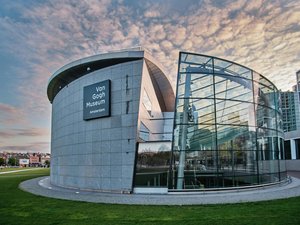
Van Gogh Museum, AmsterdamVan Gogh Museum Amsterdam 11 Self-Portrait 1918, Woman Sitting in a Field: Brittany, Portrait of Andries Bonger (1861-1936), his wife Annie van der Linden and Emile Bernard (1868-1941)
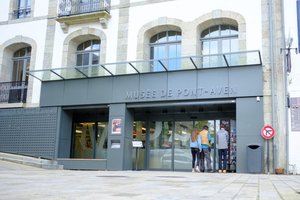
Musée de Pont-Aven, HastenparckMusée de Pont-Aven Hastenparck 7 Landscape at Pont-Aven with Poplars, The Adoration of the Shepherds, Study for The Buckwheat Harvesters
Thyssen-Bornemisza Museum, MadridThyssen-Bornemisza Museum Madrid 4 The Annunciation, Inside a Shop in Pont-Aven, The Cliffs at Le Pouldu
Musée des Beaux-Arts de Quimper, QuimperMusée des Beaux-Arts de Quimper Quimper 4 Funeral palls 1, Funeral palls 2, Orchard at Pont Aven
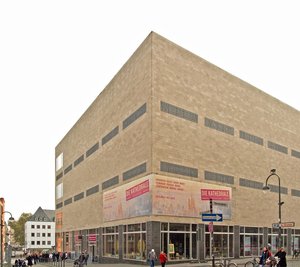
Wallraf-Richartz-Museum, KölnWallraf-Richartz-Museum Köln 3 Loving Couple, Houses in Pont-Aven
Dallas Museum of Art, DallasDallas Museum of Art Dallas 3 The Salon, Bridge at Pont-Aven
Musée des Beaux-Arts, ReimsMusée des Beaux-Arts Reims 3 Fellah Women at the Bath, Toilet of Venus
Ackland Art Museum, Chapel HillAckland Art Museum Chapel Hill 2 Victorine Lelopin, The Wave

Émile Bernard decade by decade: the original that defines each

Diela podľa dekád

Pick a decade to see the original that defines it.

Collectors' questions about Émile Bernard's paintings

Which work is Émile Bernard most famous for?Reveal the answer

Iron Bridges at Asnières (1887), MoMA - Museum of Modern Art, New York. Portrait of Marie Lemasson (1892) and Self-Portrait 1918 (1919) come next.

What age was Émile Bernard when Iron Bridges at Asnières was made?Reveal the answer

19 years old: Iron Bridges at Asnières dates from 1887, and Émile Bernard was born in 1868.

What are the ten most famous Émile Bernard paintings?Reveal the answer

Iron Bridges at Asnières, Portrait of Marie Lemasson, Self-Portrait 1918, Buckwheat Harvesters at Pont Aven, Après le bain (les nymphes), Portrait of a Black Woman, Night Festival, The Harvest, Loving Couple a The Harvest at Saint-Briac. The ranking above gives each one's year and museum.

How many paintings did Émile Bernard leave?Reveal the answer

Our catalog holds 201 works by Émile Bernard, dated from 1885 to 1940.

In which museums do Émile Bernard's masterpieces hang?Reveal the answer

Mostly in Van Gogh Museum (Amsterdam), Musée de Pont-Aven (Hastenparck) a Thyssen-Bornemisza Museum (Madrid). The museum table above lists them all.

In which years did Émile Bernard paint the most famous works?Reveal the answer

In 1880s: 29 of the 100 works on this page were made then, Iron Bridges at Asnières among them.

What are the first and the last famous originals of Émile Bernard?Reveal the answer

On this page, the earliest is Funeral palls 1 (1885) and the latest Breton Women (1940).

Which subjects did Émile Bernard choose most often?Reveal the answer

Women (10), People (6) a Woman (4), across the 100 works on this page.

Which technique did Émile Bernard use most?Reveal the answer

Oil On Canvas, for 6 of the 100 works on this page.

To which art movement does Émile Bernard belong?Reveal the answer

Post-impressionist synthetism, judging by the originals on this page.

Which Émile Bernard works hang at the Van Gogh Museum?Reveal the answer

Self-Portrait 1918, Woman Sitting in a Field: Brittany a Portrait of Andries Bonger (1861-1936), his wife Annie van der Linden and Emile Bernard (1868-1941): the Van Gogh Museum, Amsterdam holds 10 of the works on this page.

Can I commission a reproduction of a Émile Bernard painting?Reveal the answer

Yes, as a reproduction: the original stays in its museum, but any painting on this page can be painted by hand for you, made to order one at a time, from the painting's own page.

Émile Bernard: life and work

Émile Bernard: A Post-Impresionista Pionier

Émile Henri Bernard (* 28. apríl 1868, Lille, Francúzsko – † 16. apríl 1941, Paríž) bol francúzsky maliar, predstaviteľ postimpresionizmu. Priatelil sa s umelcami ako Vincent van Gogh, Paul Gauguin a Eugène Boch a (neskôr) Paul Cézanne. Bol aj teoretikom umenia a spisovateľom. Jeho tvorba je charakteristika kombináciou výrazných estetických prvkov, ktoré ho zaraďujú medzi významné osobnosti umeleckej histórie.

Raný život a vzdelanie

Bernardovo detstvo bolo ovplyvnené nemocou jeho sestry, čo vedúceho pozícia jeho mamy kým bol vyživovaný hlavne svojím dedom, ktorý vlastnil práčku v Lille. Táto podporná prostredie podporovalo jeho umelecké sklony. V roku 1878 rodina presťahovala do Paríža, kde Bernard navštívil Collège Sainte-Barbe. Začal formálne štúdium umenia na École des Arts Décoratifs a neskôr sa pripojil Atelier Cormon v roku 1884. Tu experimentoval s impresionizmom a punktualizmom. Jeho expresívne sklony však priniesli suspendovanie z École des Beaux-Arts, čo vyústilo do tvorivej cestovania cez Bretanu pešo.

Vývoj umeleckého štýlu a vplyvy

Bernardovo umelecké rozvíjanie bolo výrazne ovplyvnené jeho cestami cez Bretanu, kde stretol miestnu tradíciu a krajinu, ktoré hlboko rezonovali s ním. Jeho priateľstvo s Paulom Gauginom začalo v auguste roku 1886 v Pont-Avenu. Táto úzkosť umelecké vzťah poznačil oboch umelcov svojimi štýlovými prvkami, najmä jeho skúmaním symbolizmu a plochých tvarov. Bernard významne ovplyvnil Gauguinovu dospeľujúcu tvorbu, najmä jeho vyjadrenie tém a použitie farieb. Bol tiež spojený s Vincentom van Goghom, kde tvorili skupinu Petit-Boulevard spolu s Anquetinom a Toulouse-Lautrecom. Jeho umelecké štýly boli ovplyvnené impresionistickou estetickou filozofiou a jeho práce reflektujú tieto hodnoty.

Kľúčové umelecké smerovanie

Bernard je považovaný za pioniera cloisonnizmu, štýlu charakterizovaného výraznými plochými tvarmi rozdelenými tmavými obrysami – čo si pamätá na vitráže. Tento nový smerovanie predstavoval odstup od impresionizmu a kladie dôraz na štruktúru, symbolizmus a emocionálne vyjadrenie. Synthetizmus bol ďalším významným smerom v Bernardovej tvorbe, ktorý zdôrazňoval umelecké vyjadrenie založené na subjektívnych skúsenostiach a symbolické hodnoty. Tento nový smerovanie reflektuje filozofiu impresionizmu a jeho práce sú výsledkom tejto estetickej filozofie. Jeho štýl bol ovplyvnený tiež dielami Cézanneho, ktoré Bernard poznal osobne počas návštevy Aix-en-Provence.

Významné diela

La Grandmère (1887): Táto obrazová reprezentácia jeho matky vykazuje Bernardovu skorú maestru tvorby a umelecké vyjadrenie. Tento diel je považovaný za jeden z jeho najikonickejších výsledkov. Jeho ďalšie práce zahŕňajú mnoho krajinských obrazov Bretanskej oblasti, ktoré zachytávajú esencia života v tejto časti Francúzska. Bernard vytvoril tiež množstvo náboženských obrazov, ktoré ukazujú jeho skúmanie symbolických tém a vyjadrenie duchovných hodnot. Jeho tvorba je výsledkom kombinácie impresionistickej estetiky a filozofického záujmu o svet okolo nás. Bernard zomrel v roku 1941 v Paríži v svojom štúdiu na ulici Bourbon č. 15, kde zostavil rozsiahle umelecké diela, ktoré sú dnes vystavené v mnohých múzeách po celom svete. Jeho životný príbeh je príkladom kreatívneho ducha a umeleckého inovácie.

Všetky 201 diela od Émile Bernard →