

1


Aktualizované november 2026 · zoradené podľa našej miery popularity (vyhľadávanie, návštevy a objednávky pre každou prácu) · 13 dielov umelca Robert Innes v našom katalógu
Stručne povedané
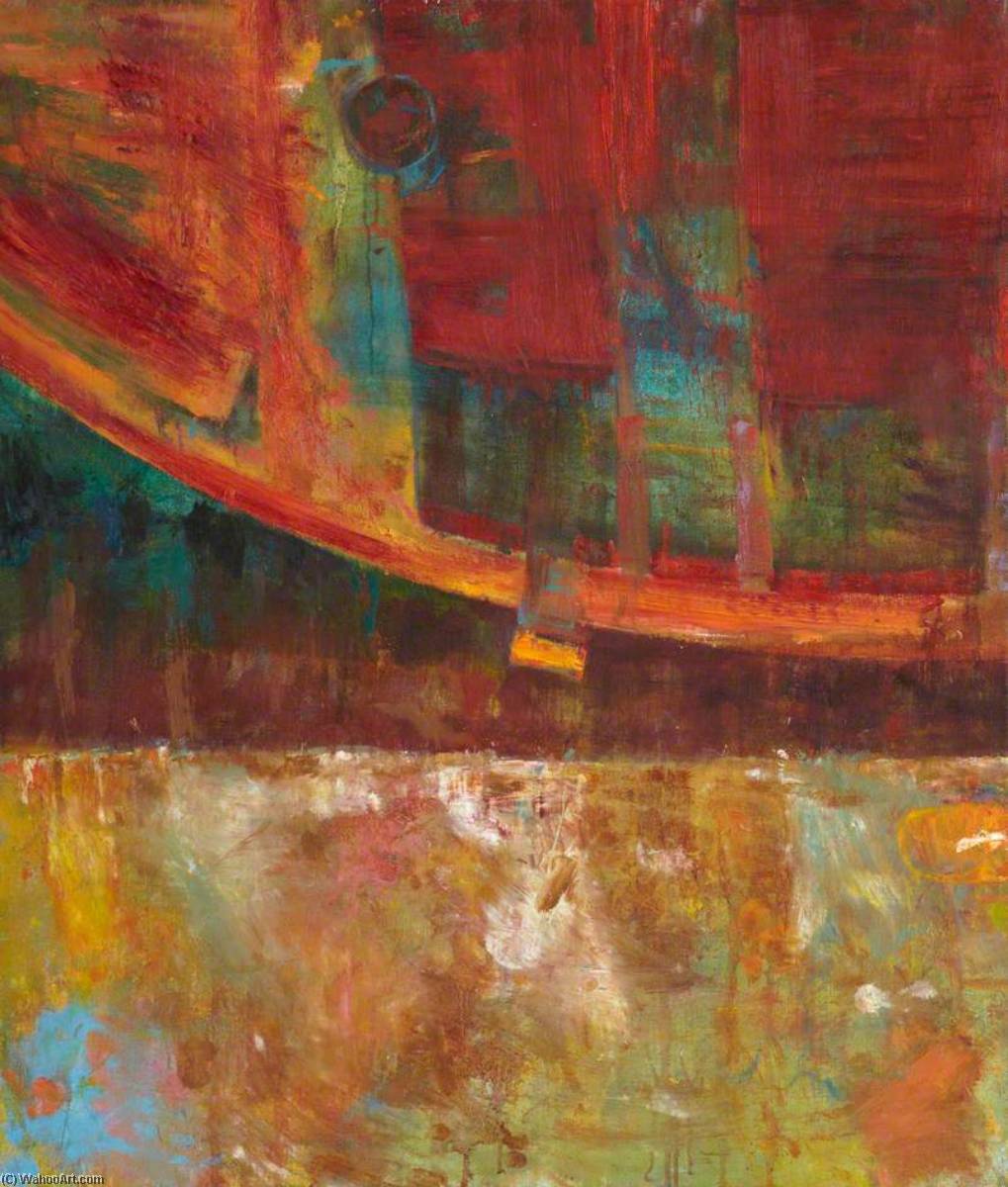
Z hľadiska galérie je najznámejším obrazom umelca Robert Innes dielo Picking Sea Coal (2) (1994), ktorého originál visí v Škótska národná galéria moderného umenia v meste Edinburgh. Picking Sea Coal (1) (1994) a Picking Sea Coal (4) (1994) dopĺňajú trojicu, ktorú pozná každé oko. Z 13 diel umelca Robert Innes v našom katalógu prezentuje galéria nižšie 13 najznámejších, z ktorých je každá originál s uvedeným rokom vzniku, múzeom a unikátnosťou.



2 múzeá, v ktorých sa nachádza najviac obrazov z tejto stránky.
| Múzeá | Mesto | Diela umelca Robert Innes | Obrazy z tohto zoznamu |
|---|---|---|---|
 Škótska národná galéria moderného umenia |
Edinburgh | 10 | Picking Sea Coal (2), Picking Sea Coal (1), Picking Sea Coal (4) |
 University of Stirling |
Stirling | 3 | Surf Study, Charnay, Glamis |
Kariéra umelca Robert Innes je na tejto stránke zachovaná po dobu 12 rokov, od 1994 do 2005: každý rok je tu zastúpený svojimi najznámejšími originálmi.
Vyberte si rok a pozrite si originály.

The painting Charnay by Robert Wemyss Innes is a beautiful depiction of a hillside with a small village at the top. The scene features a large field with grassy areas and trees scattered throughout. There are several buildings in the background, including houses and possibly a church or other structures. The overall atmosphere of the painting suggests a peaceful and idyllic countryside setting. Artistic Style and Technique Robert Wemyss Innes…
Picking Sea Coal (2) (1994), Škótska národná galéria moderného umenia, Edinburgh. Nasledujú Picking Sea Coal (1) (1994) a Picking Sea Coal (4) (1994).
30 rokov: Picking Sea Coal (2) vzniklo v roku 1994 a Robert Innes sa narodil/a v roku 1964.
Picking Sea Coal (2), Picking Sea Coal (1), Picking Sea Coal (4), Horizons (1), Horizons (4), Horizons (6), Horizons (2), Horizons (3), Horizons (5) a Surf Study. Vyššie uvedené hodnotenie uvádza rok a múzeu pre každé z nich.
Náš katalóg obsahuje 13 diel od umelca Robert Innes z perioda od 1994 do 2005.
Väčšinou v Škótska národná galéria moderného umenia (Edinburgh) a University of Stirling (Stirling). Tabuľka múzeí vyššie ich všetky uvádza.
V období 1994: 10 z 13 diel na tejto stránke bolo vytvorených vtedy, pričom Picking Sea Coal (2) z nich.
Na tejto stránke je najstaršie dielo z Picking Sea Coal (2) (1994) a najnovšie z Surf Study (2005).
Picking Sea Coal (2), Picking Sea Coal (1) a Picking Sea Coal (4): múzeá Škótska národná galéria moderného umenia, Edinburgh uchovávajú 10 z diel na tejto stránke.
Robert Wemyss Innes, born in 1964 and still actively painting today, is a Scottish artist whose evocative seascapes have secured his place as one of the foremost interpreters of the rugged beauty of the North Atlantic coast. More than simply depicting landscapes, Innes’s work delves into the very soul of the sea – its power, its mystery, and its profound connection to the human spirit. His paintings aren't merely representations; they are immersive experiences, transporting the viewer to the heart of a storm-swept coastline or the tranquil stillness of a dawn horizon.
Innes’s artistic journey began with a formal education at the Royal Scottish Academy in Glasgow, but his true development occurred through years spent immersed in the challenging environment of the North Sea. He has described his approach as deeply intuitive, relying on direct observation and an intimate understanding of light and weather. This hands-on experience is undeniably reflected in the dynamism and authenticity of his paintings – they possess a palpable sense of immediacy, as if captured at the very moment of creation.
Wemyss Innes’s artistic lineage can be traced back to his great-grandfather, John Wemyss of Logie, a figure steeped in Scottish history and legend. The ballad “The Laird o’Logie,” recounting the tragic tale of a nobleman who plotted to blow up a fortification during the Jacobite rising, speaks volumes about the family's connection to both the romanticism and the turbulent past of Scotland. This historical context undoubtedly informs Innes’s work, lending it a sense of timelessness and resonance.
However, Wemyss Innes is not simply a custodian of tradition; he has forged his own distinct artistic voice. He draws inspiration from a wide range of sources – the Romantic painters like Turner and Friedrich, whose emphasis on atmospheric effects and sublime landscapes profoundly influenced him; the rugged beauty of the Scottish Highlands, which forms a constant backdrop to his life and work; and, crucially, the raw power and unpredictable nature of the sea itself. His palette is often dominated by deep blues, greens, and greys, meticulously layered to create a sense of depth and movement – capturing the shifting moods of the ocean with remarkable skill.
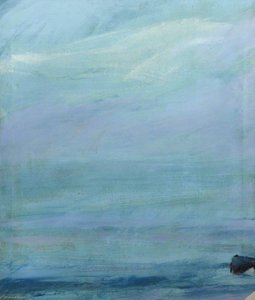
Wemyss Innes’s technique is characterized by its bold confidence and masterful control. He employs thick impasto, building up layers of paint to create a tactile surface that invites close inspection. The brushwork is often loose and expressive, conveying the energy of the wind and waves. Yet, beneath this apparent spontaneity lies a rigorous understanding of color theory and composition. He expertly utilizes light and shadow to sculpt forms and create a sense of drama – particularly evident in works like “Horizons (2),” a powerful depiction of a storm-tossed sea that showcases his ability to capture the sheer force of nature.
His compositions are frequently asymmetrical, creating a dynamic tension that mirrors the unpredictable nature of the sea. He avoids overly detailed renderings, instead focusing on capturing the essence of a scene – its mood, its atmosphere, and its underlying power. This approach allows his paintings to transcend mere representation, becoming evocative meditations on the relationship between humanity and the natural world.
Among Wemyss Innes’s most celebrated works is “Horizons (2),” a monumental canvas that exemplifies his mastery of atmospheric perspective and dramatic composition. The painting captures a moment of intense drama, with towering waves crashing against a rocky coastline under a brooding sky. It's a testament to the artist's ability to convey both the beauty and the danger inherent in the sea.
Other notable works include “Picking Sea Coal,” which offers a more intimate glimpse into the lives of those who have historically relied on the sea for their livelihood, and numerous other seascapes that celebrate the rugged beauty of the Scottish coastline. His work has been exhibited extensively throughout Scotland and internationally, earning him critical acclaim and establishing him as one of the leading landscape artists of his generation. Wemyss Innes’s paintings are not just beautiful images; they are powerful reminders of our connection to the natural world and the enduring spirit of the human experience.
Robert Wemyss Innes continues to paint with unwavering dedication, constantly seeking new ways to capture the essence of the sea. His work reflects a deep respect for tradition while simultaneously pushing the boundaries of contemporary landscape painting. He remains a vital and influential figure in the Scottish art scene, ensuring that the legacy of his artistic vision will endure for generations to come.


