

1


Aktualizované november 2026 · zoradené podľa našej miery popularity (vyhľadávanie, návštevy a objednávky pre každou prácu) · 6 dielov umelca Robert Harold Morton v našom katalógu
Stručne povedané
Z všetkých originálov, ktoré Robert Harold Morton zanechal, je najznámejší St Thomas's Well (1948). Hneď za ním nasledujú The Duck Pond in Summer a Harbour Scene. Náš katalóg obsahuje 6 diel od Robert Harold Morton; galéria si zachovala tých 6, ktoré obdivuje celý svet, pričom každý z nich je prezentovaný spolu s jeho dátumom, múzeou a príbehom.
2 múzeá, v ktorých sa nachádza najviac obrazov z tejto stránky.
| Múzeá | Mesto | Diela umelca Robert Harold Morton | Obrazy z tohto zoznamu |
|---|---|---|---|
 The Stirling Smith Art Gallery - Museum |
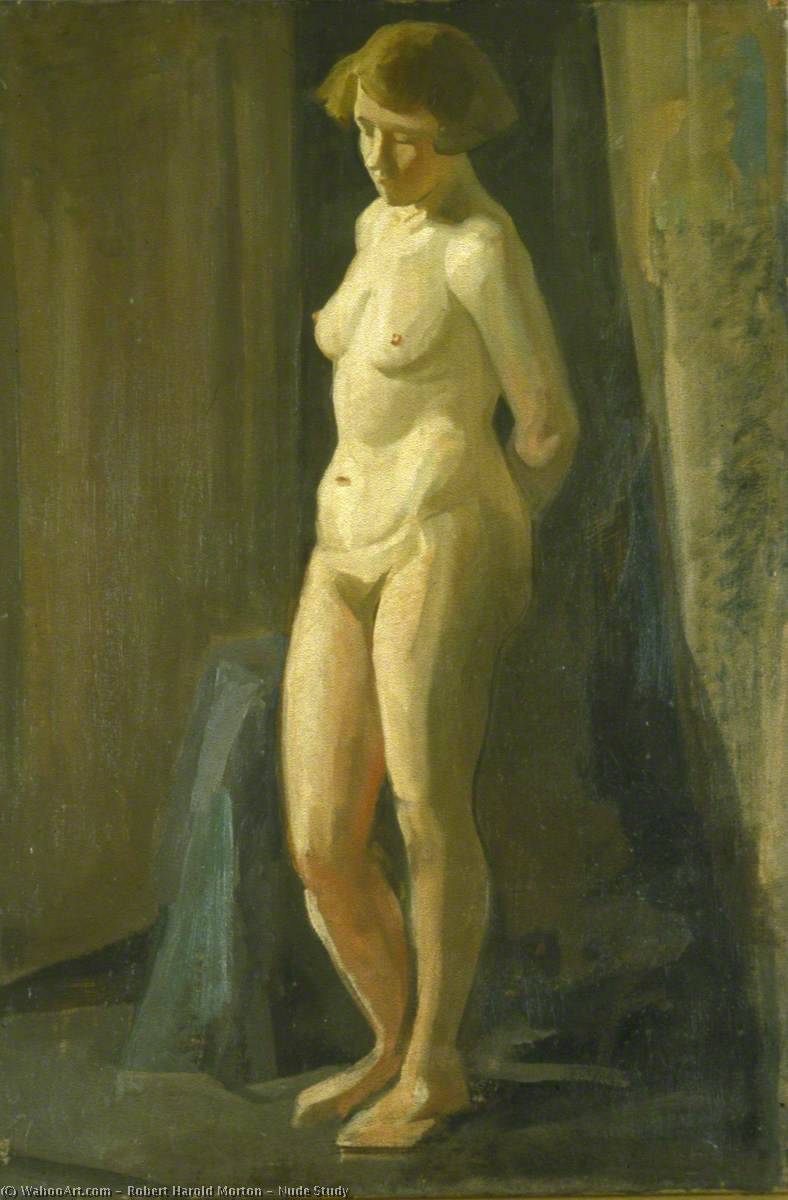
Stirling | 3 | Harbour Scene, Nude Study, Landscape near Cassis |
 Stirling Council Municipal Buildings |
Stirling | 1 | Portofino |
Vyberte si dekádu a pozrite si originál, ktorý ju definuje.

St Thomas's Well (1948). Nasledujú The Duck Pond in Summer a Harbour Scene.
Náš katalóg obsahuje 6 diel od umelca Robert Harold Morton z perioda od 1914 do 1948.
Väčšinou v The Stirling Smith Art Gallery - Museum (Stirling) a Stirling Council Municipal Buildings (Stirling). Tabuľka múzeí vyššie ich všetky uvádza.
Na tejto stránke je najstaršie dielo z Nude Study (1914) a najnovšie z St Thomas's Well (1948).
Harbour Scene, Nude Study a Landscape near Cassis: múzeá The Stirling Smith Art Gallery - Museum, Stirling uchovávajú 3 z diel na tejto stránke.
In the soft, amber glow of a Mediterranean afternoon, one can almost feel the brushstrokes of Robert Harold Morton dancing across the canvas. An American Impressionist whose soul seemed inextricably linked to the coastal rhythms of Europe, Morton possessed a rare ability to translate the ephemeral qualities of light into enduring visual poetry. Born in 1879 in the picturesque enclave of Cassis, France, his very origins were steeped in the salt air and sun-drenched landscapes that would later become the hallmarks of his celebrated oeuvre. His life and work represent a profound dialogue between the artist and the natural world, a lifelong pursuit of capturing those fleeting moments where atmosphere and earth converge in perfect harmony.
Morton’s artistic journey was shaped by the grand traditions of European masterworks. During his formative years, he traveled extensively through the cultural heartlands of Italy and France, immersing himself in the revolutionary techniques of the Impressionist movement. The influence of luminaries such as Claude Monet and Auguste Renoir is palpable in his dedication to plein air painting. Rather than retreating to the sterile confines of a studio, Morton sought the truth of nature directly under the open sky. He became a meticulous observer of the subtle shifts in light—how a midday sun might bleach the granite cliffs of Cassis, or how the twilight hour casts long, violet shadows across a tranquil harbor. His technique was a masterful balance of realism and impressionistic fluidity; while his rendering of textures like rough stone or shimmering water displayed remarkable sensitivity, he never allowed precise detail to overshadow the overarching emotional resonance of color and tone.
The heart of Morton’s repertoire lies in his evocative seascapes and landscapes, particularly those centered around his beloved Mediterranean home. His canvases serve as windows into a world of profound serenity, where the rhythmic pulse of the sea dictates the composition. In works such as Harbour Scene or his depictions of Portofino, the viewer is invited to witness the quiet majesty of maritime life. He had a particular talent for portraying the stillness of calm waters, using delicate gradations of azure and turquoise to reflect the vastness of the sky above. These maritime scenes are often punctuated by recurring motifs that lend a sense of narrative grace: the silhouette of a cypress tree standing sentinel against the horizon, or the gentle, purposeful movement of sailboats gliding through the waves.
Beyond the expansive vistas, Morton’s artistry extended into more intimate realms, including his celebrated nude studies. In these works, he applied the same reverence for light and form that defined his landscapes, treating the human figure as another element of the natural landscape, subject to the same soft illumination and atmospheric depth. This duality in his work—the ability to move between the grand scale of a coastal vista and the delicate intimacy of a portrait—demonstrates a versatile mastery of the Impressionist idiom. His paintings do not merely document a place or a figure; they capture an impression, a sensory memory of warmth, light, and peace.
As the art world transitioned through various modernistic shifts in the early 20th century, Morton remained steadfast in his commitment to the beauty of the natural world. His work stands as a testament to the enduring power of Impressionism to evoke emotion through color and light. While later movements sought to deconstruct form entirely, Morton’s dedication to capturing the essence of the Mediterranean landscape provided a sense of continuity and timelessness. He achieved a level of technical sophistication that allowed him to render the rugged textures of the French coast with such accuracy that his work remains as vibrant today as when it was first applied to canvas.
The historical significance of Robert Harold Morton lies in his role as a bridge between American sensibility and European light. He brought a unique perspective to the American Impressionist tradition, infusing it with the specific, luminous character of the Côte d'Azur. Today, his legacy lives on through the quiet power of his paintings, which continue to offer solace and wonder to those who seek beauty in the interplay of shadow and sun. His life’s work remains a profound celebration of the earth, the sea, and the eternal dance of light.


