Portrét Pietro Bernini

5 najznámejších obrazov od umelca Pietro Bernini, každý jedinečný

Aktualizované november 2026 · zoradené podľa našej miery popularity (vyhľadávanie, návštevy a objednávky pre každou prácu) · 5 dielov umelca Pietro Bernini v našom katalógu

Stručne povedané

The Assumption (1607) je obrazom umelca Pietro Bernini, ktorý priťahuje najviac pohľadov; originál sa nachádza v múzeu Santa Maria Maggiore, Rím. Potom sa pohľad presunie na Bust of Antonio Coppola (1612) a The Charity of St Martin (1610). Z 5 diel umelca Pietro Bernini v našom katalógu je týchto 5 najznámejších; každá z nich je jedinečným originálom prezentovaným s jeho rokom vzniku, múzeom a dôvodom, prečo pretrváva.

1562 – 1629, Sesto Fiorentino Baroque Najviac diel: Santa Maria Maggiore

Top 10 obrazov umelca Pietro Bernini podľa výberu galérie

1
The Assumption (1607) od Pietro Bernini

The Assumption

1607 · Marble · Santa Maria Maggiore, Rím

In the heart of Rome, within the sacred walls of the Santa Maria Maggiore Basilica, a marble relief titled The Assumption unfolds. Created by the sculptor Pietro Bernini, this work captures a moment of celestial movement. The sculpture resides in the baptistery of the basilica, having been commissioned specifically for the sacristy of this historic site. It exists as a physical manifestation of devotion, carved into stone to occupy a…

3
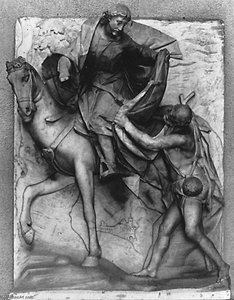
The Charity of St Martin (1610) od Pietro Bernini

The Charity of St Martin

1610 · Marble · Certosa di San Martino, Napoli

The sculpture is titled The Charity of St Martin. It was created by the Italian sculptor Pietro Bernini, a figure whose work helped define the transition into the Baroque style. This particular piece is a significant example of that era's emphasis on movement and emotional expression. You can find it today within the Certosa di San Martino in Naples, Italy.

4
St John the Baptist (1612) od Pietro Bernini

St John the Baptist

1612 · Marble · Sant'Andrea della Valle, Rím

The marble figure of St John the Baptist emerges from the shadows, a silent presence carved by the hands of the Italian sculptor Pietro Bernini. Created about 1612, this work captures the saint in a moment of profound stillness. The sculpture carries the weight of a man who has lived a life of devotion, his form rendered with a precision that makes the stone feel alive under the gaze of…

5
Satyr with Panther (1615) od Pietro Bernini

Satyr with Panther

1615 · Marble

The sculpture titled Satyr with Panther is a work by the artist Pietro Bernini. It emerged from the stone about 1615. This figure captures a moment of primal hunger, a frozen gesture of desire caught in marble. The subject is a mythological creature, a satyr, defined by his pointed ears and short tail.

Motívy, ktoré zaujali Pietro Bernini

Štyri témy, ktoré sa v týchto origináloch najčastejšie vracajú, každá s jej najvychybenejším príkladom.

Múzeá, ktoré uchovávajú originály umelca Pietro Bernini

4 múzeá, v ktorých sa nachádza najviac obrazov z tejto stránky.

Múzeá Mesto Diela umelca Pietro Bernini Obrazy z tohto zoznamu
Santa Maria Maggiore, RímSanta Maria Maggiore Rím 1 The Assumption
San Giovannini dei Fiorentini, RomeSan Giovannini dei Fiorentini Rome 1 Bust of Antonio Coppola
Certosa di San Martino, NapoliCertosa di San Martino Napoli 1 The Charity of St Martin
Sant'Andrea della Valle, RímSant'Andrea della Valle Rím 1 St John the Baptist

Pietro Bernini v priebehu rokov: jedinečné originály každého diela

Originály s dátumovaním od Pietro Bernini, ktoré sú tu zobrazené, sa pohybujú v období približne desiatich rokov, od 1607 do 1615: oko ich sleduje rok po roku.

Diela podľa roku

Vyberte si rok a pozrite si originály.

Obrazy umelca Pietro Bernini: otázky pre galériu

Akým najznámejším dielom sa pýta Pietro Bernini?Odhaľte odpoveď

The Assumption (1607), Santa Maria Maggiore, Rím. Nasledujú Bust of Antonio Coppola (1612) a The Charity of St Martin (1610).

V akom veku vytvoril/a Pietro Bernini dielo The Assumption?Odhaľte odpoveď

45 rokov: The Assumption vzniklo v roku 1607 a Pietro Bernini sa narodil/a v roku 1562.

Koľko je známych diel umelca Pietro Bernini?Odhaľte odpoveď

Náš katalóg obsahuje 5 diel od umelca Pietro Bernini z perioda od 1607 do 1615.

Kde možno vidieť najznámejšie originály od Pietro Bernini?Odhaľte odpoveď

Väčšinou v Santa Maria Maggiore (Rím), San Giovannini dei Fiorentini (Rome) a Certosa di San Martino (Napoli). Tabuľka múzeí vyššie ich všetky uvádza.

V akom období vytvoril/a Pietro Bernini svoje najznámejšie obrazy?Odhaľte odpoveď

V období 1612: 2 z 5 diel na tejto stránke bolo vytvorených vtedy, pričom Bust of Antonio Coppola z nich.

Ktorý z najslávnejších obrazov autora Pietro Bernini je najstarší a ktorý najnovší?Odhaľte odpoveď

Na tejto stránke je najstaršie dielo z The Assumption (1607) a najnovšie z Satyr with Panther (1615).

Aké témy obľúbené Pietro Bernini?Odhaľte odpoveď

Man (4), Marble (4) a Sculpture (2), v rámci 5 diel na tejto stránke.

S akými materiálmi mal(a) Pietro Bernini najčastejšie pracuje?Odhaľte odpoveď

Marble, pre 5 z 5 diel na tejto stránke.

Do ktorého smeru patrí tvorba umelca Pietro Bernini?Odhaľte odpoveď

Baroque, podľa originálov na tejto stránke.

Pietro Bernini: portrét umelca

Pietro Bernini: Life and Legacy

Early Life and Training

  • Born: Sesto Fiorentino, Tuscany, Italy in 1562.
  • Pietro Bernini emerged during the late Mannerist period, a time of stylistic transition in Italian art. His early training likely involved exposure to the prevailing artistic trends of Florence, characterized by elegance and refinement.
  • Details regarding his initial apprenticeship remain somewhat scarce, but it’s understood he developed foundational skills in sculpture before relocating to Naples.

Naples and Family Beginnings

  • Bernini moved to Naples to contribute to the artistic embellishment of the Certosa di San Martino, a significant religious complex.
  • Significant Event: It was in Naples that he met and married Domenica Pizzuti, and their son, the future Baroque master Gian Lorenzo Bernini, was born in 1598.
  • This period marked a crucial turning point, laying the groundwork for a family dynasty of artists.

Rome and Papal Patronage

  • Relocation: In 1605, the Bernini family relocated to Rome under the protection of Cardinal Scipione Borghese, a powerful figure in the Roman art world.
  • Pietro quickly secured commissions from Pope Paul V (also a Borghese), contributing to projects such as the Pauline Chapel within the Basilica of Santa Maria Maggiore. This marked his entry into the heart of Roman artistic activity.
  • Influence: The patronage of the Borghese family proved instrumental in establishing Pietro’s career and providing opportunities for both him and, eventually, his son.

Major Works and Artistic Style

  • Fontana della Barcaccia: Perhaps his most celebrated work, the Fontana della Barcaccia (Fountain of the Old Boat) at the foot of the Spanish Steps in Rome. Completed in 1627, it’s a striking example of Baroque ingenuity, resembling a beached ship.
  • Other Notable Works: Contributions to the Fountain of Neptune in Naples (completed between 1600-1601), and sculptural work within Santa Maria Maggiore.
  • Artistic Style: Pietro’s style blended Mannerist elegance with emerging Baroque dynamism. His sculptures often exhibit a sense of movement, emotional intensity, and dramatic flair.

Collaboration and Legacy

  • Early Collaboration with Gian Lorenzo: Pietro initially collaborated with his son on projects like the Boy with a Dragon (1617), showcasing early signs of Gian Lorenzo’s exceptional talent.
  • Shift in Roles: As Gian Lorenzo's abilities surpassed his own, Pietro willingly transitioned into a supportive role, often acting as an assistant to his son. This demonstrates a remarkable level of artistic maturity and familial dedication.
  • Historical Significance: While overshadowed by his son’s immense fame, Pietro Bernini played a vital role in shaping the Roman Baroque landscape. His work paved the way for Gian Lorenzo's groundbreaking achievements and contributed to the flourishing of art during this period.
  • Death: Pietro Bernini died in Rome in 1629 at the age of 67, leaving behind a legacy as both a skilled sculptor and the father of one of history’s greatest artists.