Portrét Niklaus Manuel

13 najznámejších obrazov od Niklaus Manuel, výber z galérie

Aktualizované november 2026 · zoradené podľa našej miery popularity (vyhľadávanie, návštevy a objednávky pre každou prácu) · 13 dielov umelca Niklaus Manuel v našom katalógu

Stručne povedané

Z všetkých originálov, ktoré Niklaus Manuel zanechal, je najznámejší Allegory of Death, ktorý sa nachádza v zbierkach Louvre v meste Paríž. Hneď za ním nasledujú Portrait of an unknown nobleman. a Temptation of Saint Anthony. Náš katalóg obsahuje 13 diel od Niklaus Manuel; galéria si zachovala tých 13, ktoré obdivuje celý svet, pričom každý z nich je prezentovaný spolu s jeho dátumom, múzeou a príbehom.

1484 – 1530, Bern Renaissance Najviac diel: Kunstmuseum Bern

Top 10 obrazov umelca Niklaus Manuel: výber galérie

1
Allegory of Death od Niklaus Manuel

Allegory of Death

Drawing · Louvre, Paríž

To gaze upon this drawing is to confront one of humanity's most enduring philosophical quandaries: the passage of time and the inevitability of decay. This piece, an arresting study in Renaissance allegory, presents a figure caught in a profound moment of transition. The central nude woman, rendered with exquisite detail, embodies more than just human form; she becomes a living meditation on beauty’s ephemeral nature. Her flowing hair seems to…

5
Bernese Collection of the Historisches Museum Bern od Niklaus Manuel

Bernese Collection of the Historisches Museum Bern

A Noble Portrait from Renaissance Bern: Unveiling Niklaus Manuel's Masterpiece This striking portrait, part of the esteemed Bernese Collection housed within the Historisches Museum Bern, offers a captivating glimpse into 16th-century Swiss society. Painted by Niklaus Manuel (1484-1530), a pivotal figure in Bern’s artistic landscape and a man who skillfully bridged art and politics, this work exemplifies the burgeoning Renaissance spirit taking hold in Switzerland. The subject is depicted as…

Výber umelcov Niklaus Manuel pokračuje, od 11 do 13

Motívy, ktoré zaujali Niklaus Manuel

Štyri témy, ktoré sa v týchto origináloch najčastejšie vracajú, každá s jej najvychybenejším príkladom.

Múzeá, ktoré uchovávajú originály umelca Niklaus Manuel

4 múzeá, v ktorých sa nachádza najviac obrazov z tejto stránky.

Múzeá Mesto Diela umelca Niklaus Manuel Obrazy z tohto zoznamu
Kunstmuseum Bern, BernKunstmuseum Bern Bern 2 St Eligius in the Workshop, St Luke Painting the Madonna (detail)
Louvre, ParížLouvre Paríž 1 Allegory of Death
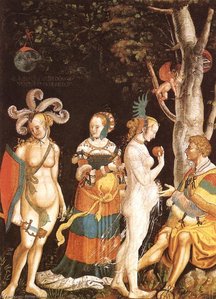
Öffentliche Kunstsammlung, BazilejÖffentliche Kunstsammlung Bazilej 1 The Judgment of Paris
Kunstmuseum Basel, BazilejKunstmuseum Basel Bazilej 1 Beheading of John the Baptist

Niklaus Manuel rok po roku: originály, ktoré definujú každú éru

1517 je rok každého datovaného diela umelca Niklaus Manuel v tomto výberu: tu sú, usporiadané podľa slávy.

Diela podľa roku

Vyberte si rok a pozrite si originály.

Otázky zberateľov o obrazoch od Niklaus Manuel

Ktorým dielom je Niklaus Manuel najznámejší/najznámejšia?Odhaľte odpoveď

Allegory of Death, Louvre, Paríž. Nasledujú Portrait of an unknown nobleman. a Temptation of Saint Anthony.

Ktorých desať najznámejších obrazov má Niklaus Manuel?Odhaľte odpoveď

Allegory of Death, Portrait of an unknown nobleman., Temptation of Saint Anthony, Anna selbdritt and the Holy Jacobus and Rochus as intercessors for mankind bothered by the plague humanity, Bernese Collection of the Historisches Museum Bern, Thomas Aquinas in Saint Louis, Hl. Lukas, die Madonna malend, Altarflügel, St Eligius in the Workshop, Copy of the Danse Macabre of the Dominican cemetery of Bern‎ a St Luke Painting the Madonna (detail). Vyššie uvedené hodnotenie uvádza rok a múzeu pre každé z nich.

Koľko obrazov zanechal umenec Niklaus Manuel?Odhaľte odpoveď

Náš katalóg obsahuje 13 diel od Niklaus Manuel.

V ktorých múzeách visia majstrovské diela umelca Niklaus Manuel?Odhaľte odpoveď

Väčšinou v Kunstmuseum Bern (Bern), Louvre (Paríž) a Öffentliche Kunstsammlung (Bazilej). Tabuľka múzeí vyššie ich všetky uvádza.

Aké témy si Niklaus Manuel najčastejšie vyberal/a?Odhaľte odpoveď

Religious scene (2) a Saints (2), v rámci 13 diel na tejto stránke.

Do ktorého umeleckého smeru patrí Niklaus Manuel?Odhaľte odpoveď

Renaissance, podľa originálov na tejto stránke.

Aké diela umelca Niklaus Manuel sa nachádzajú v múzeu Kunstmuseum Bern?Odhaľte odpoveď

St Eligius in the Workshop a St Luke Painting the Madonna (detail): múzeá Kunstmuseum Bern, Bern uchovávajú 2 z diel na tejto stránke.

Niklaus Manuel: život a dielo

The Renaissance Visionary of Bern: The Life and Legacy of Niklaus Manuel

In the vibrant tapestry of the sixteenth-century Northern Renaissance, few figures loom as large or as multifaceted as Niklaus Manuel. Born in Berlin around 1484, this extraordinary individual was far more than a mere painter; he was a mercenary soldier, a writer, and a pivotal figure in the civic life of Bern. His life was a whirlwind of movement and intellect, bridging the gap between the brutal realities of European warfare and the refined humanist ideals of the Renaissance. As a central character in the artistic landscape of Switzerland, Manuel’s work serves as a profound window into an era defined by spiritual struggle, political upheaval, and a burgeoning fascination with the human condition.

The foundation of Manuel’s technical mastery can be traced back to his formative years in Basel, where he underwent rigorous training under the legendary Hans Holbein the Younger. This apprenticeship was transformative, instilling in him a meticulous devotion to realism and a sophisticated command of chiaroscuro. From Holbein, Manuel inherited an eye for the minute details of nature and the human form, as well as the ability to use light and shadow to imbue his subjects with psychological depth. This connection to the humanist tradition allowed him to move beyond simple ornamentation, instead creating works that prioritized observation and an accurate, almost visceral, representation of the world around him.

A Mastery of Symbolism and Narrative

Manuel’s artistic output is characterized by a remarkable versatility, ranging from deeply religious altarpieces to biting satirical compositions. His ability to weave complex theological narratives with humanist symbolism allowed him to capture the dualities of his age—the sacred and the profane, the eternal and the mortal. One of his most hauntingly beautiful themes was the exploration of mortality, often expressed through intricate landscapes and symbolic figures. In works such as his Allegory of Death, he utilizes the image of a nude woman holding a skull to evoke profound meditations on transformation and the inevitability of the end, set against an intricately detailed backdrop that showcases his command over environmental storytelling.

Beyond the contemplative, Manuel possessed a talent for depicting intense, dynamic struggle. His Temptation of Saint Anthony stands as a testament to his ability to utilize the emerging Mannerist style, employing rich colors and intense detail to portray demonic temptation and spiritual warfare. This capacity for drama was perhaps most famously realized in his monumental mural, the Danse Macabre, at the Dominican Abbey in Bern. Although this masterpiece was tragically lost to history in 1660, its influence lived on through contemporary copies, reminding viewers of his ability to command large-scale compositions that spoke to the collective consciousness of the Bernese people.

Historical Significance and Artistic Endurance

The significance of Niklaus Manuel extends far beyond the borders of Switzerland. He represented a unique breed of Renaissance man—an artist whose brush was as active in the halls of governance and the battlefields of Europe as it was in the quiet studios of Basel. His portraits, such as those found in the Historisches Museum Bern, reveal a master capable of capturing the dignity and symbolic weight of the nobility, using dramatic lighting to elevate his subjects into icons of their era.

Ultimately, Manuel’s legacy is defined by his role as a bridge. He bridged the gap between the late Gothic traditions and the burgeoning Renaissance; he bridged the distance between the soldier's grit and the scholar's grace; and most importantly, he bridged the human experience with the divine through his art. His works remain essential touchstones for understanding the cultural metamorphosis of the sixteenth century, offering a glimpse into a world where art, politics, and spirituality were inextricably entwined.