Menu
BEZPLATNÁ KONSULTÁCIA O UMENÍ

Železničné Múzeum V Madride

Základné informácie

  • Museums on APS:
    • Spanish Railways Foundation
    • Spanish Railways Foundation
    • Spanish Railways Foundation
    • Spanish Railways Foundation
    • Spanish Railways Foundation
  • Vibe: nostalgický
  • Nationality: Španielsko
  • Movements: contemporary realism
  • Best occasions: estetika
  • Also known as:
    • Museo Del Ferrocarril De Madrid
    • Madrid Railway Museum
  • Room fit: pracovná príслуha
  • Corpus themes: documentary photography
  • Viac…
  • Topics explored:
    • railway history
    • vintage train
    • spanish heritage
    • industrial history
    • transportation art
  • Born: Madrid, Španielsko
  • Emotional tone: nostalgický
  • Copyright status: Under copyright
  • Works on APS: 33
  • Top 3 works:
    • Project of hearse vehicle
    • Project of hearse vehicle
    • Saloon car ZZ-307-Interior
  • Top-ranked work: Project of hearse vehicle

Kvíz o umení

Pri každej otázke je iba jedna správna odpoveď.

Otázka 1:
Ako hlavný cieľ Museo del Ferrocarril de Madrid hodnotíte?
Otázka 2:
V akom historickom budove je Museo del Ferrocarril de Madrid umiestnené?
Otázka 3:
Kedy bol Museo del Ferrocarril de Madrid založený?
Otázka 4:
Čo prezentuje zbierka múzea?
Otázka 5:
Často sa Museo del Ferrocarril de Madrid venuje výstavám?

Museo del Ferrocarril de Madrid: A Legacy of Steam and Spanish Industrial Heritage

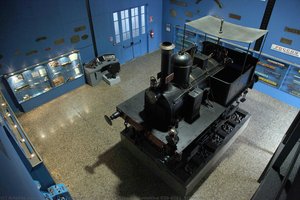
The Museo del Ferrocarril de Madrid, nestled within the beautifully restored Las Delicias Train Station – a testament to Madrid’s architectural grandeur from the late 19th century – stands as more than just a repository of locomotives and carriages; it embodies the spirit of Spain's burgeoning industrial revolution. Established in 1967 with an initial aim of preserving railway relics, its relocation to the station in 1984 cemented its role as a pivotal institution dedicated to documenting and celebrating the transformative impact of railways on Spanish society and culture. Origins & Founding Vision: The museum’s genesis stemmed from the foresight of railway enthusiasts who recognized the urgent need for safeguarding Spain's locomotive heritage. Recognizing that many machines were dismantled or neglected, they envisioned a space where these artifacts could be meticulously cared for and made accessible to future generations. This vision prioritized scientific accuracy alongside aesthetic appreciation—a deliberate choice reflecting the intellectual climate of its inception. The curators understood that preserving railway history demanded not merely cataloguing objects but reconstructing their operational context, fostering a deeper understanding of their significance within broader societal transformations. Las Delicias Station: A Symbolic Home: Choosing Las Delicias Station was deliberate – it served as Madrid’s principal terminus during the Belle Époque, representing the zenith of railway travel and commerce. The station itself underwent a comprehensive renovation project, mirroring the museum's commitment to preserving architectural history alongside mechanical marvels. This decision underscored the belief that art should engage with its surroundings, fostering dialogue between past and present—a principle evident in every aspect of the museum’s design and presentation. Visitors can admire the ornate Beaux-Arts façade alongside exhibits detailing the station’s role as a hub for migration and economic growth during the period. Collection Highlights: Today, the Museo del Ferrocarril boasts an impressive collection encompassing locomotives from various eras – including early steam engines and more modern diesel locomotives – alongside passenger carriages that chronicle the evolution of railway travel. Notably featured are pieces like Saxby & Farmer interlocking, Steam locomotive 231-2006 and Untitled. Each exhibit is accompanied by detailed diagrams and photographs illustrating the engineering principles behind these machines—a testament to the museum’s dedication to educating visitors about technological innovation. The curators meticulously reconstruct operational scenarios, allowing guests to experience firsthand the challenges faced by railway engineers and travelers alike. Influences and Artistic Style: The museum’s aesthetic is rooted in a fascination with industrial history and craftsmanship. The curators prioritize meticulous documentation—photographs, diagrams, and detailed descriptions accompany each exhibit—reflecting the scientific spirit of the time. Furthermore, the presentation emphasizes tactile engagement; visitors can examine engine components and explore interactive displays that illuminate the mechanics of railway operation. This approach distinguishes itself from purely decorative art forms, prioritizing factual accuracy alongside visual appeal. The museum’s curators deliberately eschewed romanticized depictions of railways, opting instead for representations that convey the precision and complexity inherent in their design and operation. Historical Significance: The Museo del Ferrocarril de Madrid transcends its function as a museum; it serves as a crucial reminder of Spain’s industrial past and its contribution to global technological advancement. By preserving these relics of engineering ingenuity, the institution ensures that future generations appreciate the transformative power of innovation and recognize the enduring legacy of railways in shaping the nation's identity. Its location within Las Delicias Station—a landmark of Madrid’s architectural heritage—further reinforces this connection between art, history, and cultural memory. The museum stands as a symbol of Spain’s ambition to compete on an international scale during the late nineteenth century – a testament to the enduring influence of industrial progress on artistic expression and cultural understanding.