Portrét Majster Francke

19 najznámejších obrazov od Majster Francke, výber z galérie

Aktualizované november 2026 · zoradené podľa našej miery popularity (vyhľadávanie, návštevy a objednávky pre každou prácu) · 19 dielov umelca Majster Francke v našom katalógu

Stručne povedané

Z všetkých originálov, ktoré Majster Francke zanechal, je najznámejší Dormition of the Mother of God from Barbara altar from the Kalanti church in Finland (1415), ktorý sa nachádza v zbierkach Národné múzeum v Fínsku v meste Helsinki. Hneď za ním nasledujú Adoration of the Magi (1426) a Birth of Jesus (1424). Náš katalóg obsahuje 19 diel od Majster Francke; galéria si zachovala tých 19, ktoré obdivuje celý svet, pričom každý z nich je prezentovaný spolu s jeho dátumom, múzeou a príbehom.

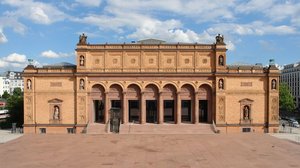
1380 – 1435, Zutphen Gothic Najviac diel: Hamburger Kunsthalle

Top 10 obrazov umelca Majster Francke: výber galérie

1
Dormition of the Mother of God from Barbara altar from the Kalanti church in Finland (1415) od Majster Francke

Dormition of the Mother of God from Barbara altar from the Kalanti church in Finland

1415 · Tempera On Panel · Národné múzeum v Fínsku, Helsinki

The Dormition of the Mother of God from Barbara altar from the Kalanti church in Finland is a significant component of the larger Saint Barbara Altarpiece. Created by the North German artist Master Francke, this specific work belongs to a larger Virgin Mary cycle that spans the corpus and the inner wings of the altarpiece. The subject matter focuses on the profound theological narrative of Mary's death and her subsequent…

2
Adoration of the Magi (1426) od Majster Francke

Adoration of the Magi

1426 · Tempera On Panel · Hamburger Kunsthalle, Hamburg

The painting is a depiction of the Adoration of the Magi, a scene centered on Mary holding her baby Jesus in her arms. She is surrounded by a gathering of twelve people, some of whom stand in close proximity to the viewer while others are positioned further away in the composition. The scene is further detailed by the presence of two chairs, one located near the left side and another…

3
Birth of Jesus (1424) od Majster Francke

Birth of Jesus

1424 · Oil On Panel · Hamburger Kunsthalle, Hamburg

In the quiet, hallowed atmosphere of the early fifteenth century, a masterpiece emerged that would capture the spiritual fervor of the late Gothic era. Master Francke, the enigmatic Dutch virtuoso known as Frater Francke, crafted his Birth of Jesus in 1424 with a profound sense of theatricality and devotion. This is not merely a depiction of a stable scene; it is a cosmic event rendered on wood. The painting commands…

4
The Martyrdom of Saint Thomas of Canterbury (1426) od Majster Francke

The Martyrdom of Saint Thomas of Canterbury

1426 · Tempera · Hamburger Kunsthalle, Hamburg

A Moment of Violent Devotion The scene unfolds with a heavy, dramatic tension, capturing the precise moment of Saint Thomas Becket's death within the cathedral. Four knights surround the Archbishop, their presence defined by the cold steel of a sword and the weight of a shield. There is a palpable sense of movement in the composition, as if the air itself has thickened with the gravity of the act. The…

5
The Entombment (1430) od Majster Francke

The Entombment

1430 · Tempera On Panel · Hamburger Kunsthalle, Hamburg

The artwork is titled The Entombment, a work executed by the artist Master Francke. This specific piece functions as a panel from the St. Thomas Altar. It originated from St. John's Church in Hamburg, Germany. The painting is a religious composition that depicts the deposition of Christ following the crucifixion.

6
Resurrection of Christ (1430) od Majster Francke

Resurrection of Christ

1430 · Hamburger Kunsthalle, Hamburg

In the profound stillness of the early fifteenth century, a moment of eternal victory was captured on panel by the hand of Master Francke. The Resurrection of Christ is not merely a depiction of a biblical event; it is a visceral experience of triumph over the shadows of mortality. As the eye meets the central figure of Jesus, one is immediately struck by the sheer kinetic energy of his ascent.…

7
Adoration of the Child (1426) od Majster Francke

Adoration of the Child

1426 · Tempera On Panel · Hamburger Kunsthalle, Hamburg

In the quiet, hallowed atmosphere of the early fifteenth century, a profound moment of divine intimacy was captured by the hand of Master Francke. His masterpiece, Adoration of the Child, dating to approximately 1426, serves as a breathtaking window into the spiritual fervor of the North German Gothic tradition. The scene unfolds with a tender, almost breathless reverence, as the Virgin Mary cradles the infant Jesus, lifting him toward the…

8
The Mocking of Saint Thomas of Canterbury (1426) od Majster Francke

The Mocking of Saint Thomas of Canterbury

1426 · Hamburger Kunsthalle, Hamburg

In the evocative scene of The Mocking of Saint Thomas of Canterbury, we are transported back to the visceral intensity of the early 15th century. Created around 1426 by the enigmatic North German master known as Frater Francke, this work captures a moment of profound tension and spiritual confrontation. The composition centers on a figure draped in a striking red robe, mounted upon a noble white horse, caught in the…

9
The Women at the Cross (fragment) (1435) od Majster Francke

The Women at the Cross (fragment)

1435 · Tempera On Panel · Hamburger Kunsthalle, Hamburg

The fragment captures a moment of profound grief, centering on the Virgin Mary and a group of women gathered in sorrow. They are draped in long gowns, their heads covered by veils, their postures reflecting the weight of loss following the death of Jesus Christ. In the background, a horse and a smaller group of figures suggest a larger, more complex narrative unfolding beyond this immediate circle of lamentation. Scattered…

Výber umelcov Majster Francke pokračuje, od 11 do 19

Motívy, ktoré zaujali Majster Francke

Štyri témy, ktoré sa v týchto origináloch najčastejšie vracajú, každá s jej najvychybenejším príkladom.

Múzeá, ktoré uchovávajú originály umelca Majster Francke

4 múzeá, v ktorých sa nachádza najviac obrazov z tejto stránky.

Múzeá Mesto Diela umelca Majster Francke Obrazy z tohto zoznamu
Hamburger Kunsthalle, HamburgHamburger Kunsthalle Hamburg 9 Adoration of the Magi, Birth of Jesus, The Martyrdom of Saint Thomas of Canterbury
Národné múzeum v Fínsku, HelsinkiNárodné múzeum v Fínsku Helsinki 1 Dormition of the Mother of God from Barbara altar from the Kalanti church in Finland
Museum der bildenden Künste, LeipzigMuseum der bildenden Künste Leipzig 1 Vir Dolorum (Man of Sorrows)
Národné múzeum vo Varšave, VaršavaNárodné múzeum vo Varšave Varšava 1 Holy trinity

Majster Francke dekáda po dekáde: originál, ktorý definuje každú z nich

Diela podľa dekád

Vyberte si dekádu a pozrite si originál, ktorý ju definuje.

Otázky zberateľov o obrazoch od Majster Francke

Ktorým dielom je Majster Francke najznámejší/najznámejšia?Odhaľte odpoveď

Dormition of the Mother of God from Barbara altar from the Kalanti church in Finland (1415), Národné múzeum v Fínsku, Helsinki. Nasledujú Adoration of the Magi (1426) a Birth of Jesus (1424).

V akom veku bol/a Majster Francke, keď vzniklo dielo Dormition of the Mother of God from Barbara altar from the Kalanti church in Finland?Odhaľte odpoveď

35 rokov: Dormition of the Mother of God from Barbara altar from the Kalanti church in Finland vzniklo v roku 1415 a Majster Francke sa narodil/a v roku 1380.

Ktorých desať najznámejších obrazov má Majster Francke?Odhaľte odpoveď

Dormition of the Mother of God from Barbara altar from the Kalanti church in Finland, Adoration of the Magi, Birth of Jesus, The Martyrdom of Saint Thomas of Canterbury, The Entombment, Resurrection of Christ, Adoration of the Child, The Mocking of Saint Thomas of Canterbury, The Women at the Cross (fragment) a Barbara Altar, inside the wing. Vyššie uvedené hodnotenie uvádza rok a múzeu pre každé z nich.

Koľko obrazov zanechal umenec Majster Francke?Odhaľte odpoveď

Náš katalóg obsahuje 19 diel od umelca Majster Francke z perioda od 1415 do 1435.

V ktorých múzeách visia majstrovské diela umelca Majster Francke?Odhaľte odpoveď

Väčšinou v Hamburger Kunsthalle (Hamburg), Národné múzeum v Fínsku (Helsinki) a Museum der bildenden Künste (Leipzig). Tabuľka múzeí vyššie ich všetky uvádza.

V ktorých rokoch vytvoril Majster Francke svoje najznámejšie diela?Odhaľte odpoveď

V období 1420s: 6 z 19 diel na tejto stránke bolo vytvorených vtedy, pričom Adoration of the Magi z nich.

Aké sú prvé a posledné známe originály od Majster Francke?Odhaľte odpoveď

Na tejto stránke je najstaršie dielo z Dormition of the Mother of God from Barbara altar from the Kalanti church in Finland (1415) a najnovšie z The Women at the Cross (fragment) (1435).

Aké témy si Majster Francke najčastejšie vyberal/a?Odhaľte odpoveď

People (3), Mary (3) a Man (3), v rámci 19 diel na tejto stránke.

Ktorú techniku používal(a) Majster Francke najčastejšie?Odhaľte odpoveď

Tempera On Panel, pre 5 z 19 diel na tejto stránke.

Do ktorého umeleckého smeru patrí Majster Francke?Odhaľte odpoveď

Gothic, podľa originálov na tejto stránke.

Aké diela umelca Majster Francke sa nachádzajú v múzeu Hamburger Kunsthalle?Odhaľte odpoveď

Adoration of the Magi, Birth of Jesus a The Martyrdom of Saint Thomas of Canterbury: múzeá Hamburger Kunsthalle, Hamburg uchovávajú 9 z diel na tejto stránke.

Majster Francke: život a dielo

Majster smútnej pobožnosti: Odkaz Frater Franckeho

Johannes Francke, známy ako Frater Francke, predstavuje kľúčovú postać v rozkvitajúcej umeleckej krajine pätnastéhoročného Nemecka, konkrétne v rámci živobnej gotickej tradície Hamburgu. Hoci biografické detaily zostávajú mierne nejasné, zachované dokumenty potvrdzujú jeho účasť na monumentálnych náboženských zakázkach počas jeho života, čím si upevnil svoju reputáciu jedného z najúspešnejších autorov oltárov danej éry.
  • Raný život a vzdelanie: Presné informácie o Franckových formujúcich rokoch sú vzácne. Z Alkmaru sa však objavil okolo roku 1380, pravdepodobne získavajúc svoje prvé umelecké školenie v rámci vtedajšieho živcového systému – základného kameňa stredovekej remeselnej výroby, kde apprentíne podporovali technickú majsterstvo spolu so spiritálnou oddanosťou.
  • Hamburg a Narodenie Ježa (1424): Franckova kariéra skutočne rozkvitla v Hamburgu, kde získal zmluvu na vytvorenie oltára pre kostol svatej Kataríny. Tento ambiciózne projekt – „Narodenie Ježa“, dokončený v roku 1424 – je príkladom jeho štylistických citov: kompozíciu dominujú intenzívne červené tóny, ktoré vyjadrujujú hlboké emócie a zdôrazňujú symbolické prvky spojené s božským vtelesením Krista. Obraz ukazuje precízny detail a majstrovské použitie farieb, čo odráža vtedajšiu gotickú estetiku.
Franckova umelecká tvorba presahovala toto jedinečné majstrovské dielo. Hoci s istosťou neexistuje veľa prác jednoznačne mu prispirovaných – čo je bežná výzva historikov rekonstruujúcich umelecké línie – vedecký konsenzus poukazuje na jeho prínos v Lipsku a ďalší významný kus uložený v hamburskej Kunsthalle. Tieto maľby demonštrujú neustály záujem o gotické techniky, charakterizované stylizovanými postavami a bohatým použitím zlatého listu – čo sú znaky náboženského zhmotnenia danej doby.
  • Technika a štýl: Franckov umelecký štýl je pevne zakorenený v konvenciách gotickej maľby. Umetične využíval temperu na paneli, čím dosiahol luminescenčné farby a textúrnú bohatosť. Jeho zobrazenia biblických scén sú preplnené dramatickými emócie a psychologickou hĺbkou, pričom uprednostňujú expresívne gestá a vyjadrujú duchovnú kontempláciu.
  • Vplyv a odkaz: Franckova práca mala hlboký dopad na nasledujúce generácie umelcov v Hamburgu i mimo него. Bol zastančovateľom gotického štýlu, ktorý etablooval ako dominantný vizuálny jazyk náboženského umenia počas svojej doby. Jeho precízna pozornosť k detailu a emotívne zobrazenie biblických naratívovប continue rezonovať u divákov aj dnes, čím si zabezpečil svoje miesto ako trvalý symbol pobožnosti a umeleckej excelencie.

Významné úspechy: Barbara Altár

Možno najslávnejším Franckovým úspechom je „Barbara Altár“, ktorý bol objednaný pre kostol svätej Barbory v Hamburgu okolo roku 1430. Toto monumentálne umelecké dielo – svedectvo jeho umeleckej zdatnosti – obsahuje komplexný príbeh zobrazujúci męчениctvo svätej Barbory a stelesňuje záľubu gotickej tradície vo veľkoleposť a symbolickú reprezentáciu. Intrikátne sochárske prvky oltára, v kombinácii s živobčnou polychrómiou, podčiarkujú Franckovu majsterstvo v oblasti vizuálneho umenia aj remeselnej tvorby.

Historický význam

Prínos Majstra Franckeho do nemeckej umeleckej histórie je nepopierateľný. Predstavuje kľúčový spojovací článok medzi stredoveknými umeleckými tradíciami a rodiacym sa pohybom renesancie – prechodné obdobie poznačené obnoveným záujmom o klasické ideály spolu s trvajúcou náboženskou oddanosťou. Jeho oltáre stoja ako mocné vizuálne vyjadrenia viery, ktoré odrážajú duchovné concerns jeho éry a po stáročia formujú estetické cítenie umeleckej komunity Hamburgu.