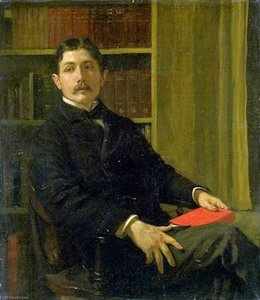
Portrét Kenyon Cox

70 najznámejších obrazov od umelca Kenyon Cox, každý jedinečný

Aktualizované november 2026 · zoradené podľa našej miery popularity (vyhľadávanie, návštevy a objednávky pre každou prácu) · 76 dielov umelca Kenyon Cox v našom katalógu

Stručne povedané

The Progress of Civilization The Forge, Commerce, and Education (mural study, State Capitol, Des Moines, Iowa) (1906) je obrazom umelca Kenyon Cox, ktorý priťahuje najviac pohľadov; originál sa nachádza v múzeu Smithsonian American Art Museum, Washington, D.C.. Potom sa pohľad presunie na Henry L. Fry (1883) a The Approach of Love (1890). Z 76 diel umelca Kenyon Cox v našom katalógu je týchto 70 najznámejších; každá z nich je jedinečným originálom prezentovaným s jeho rokom vzniku, múzeom a dôvodom, prečo pretrváva.

1856 – 1919, Warren Classical realism Najviac diel: Smithsonian American Art Museum

Top 10 obrazov umelca Kenyon Cox podľa výberu galérie

1
The Progress of Civilization The Forge, Commerce, and Education (mural study, State Capitol, Des Moines, Iowa) (1906) od Kenyon Cox

The Progress of Civilization The Forge, Commerce, and Education (mural study, State Capitol, Des Moines, Iowa)

1906 · Oil On Canvas · Smithsonian American Art Museum, Washington, D.C.

The Progress of Civilization The Forge, Commerce, and Education (mural study, State Capitol, Des Moines, Iowa) is an oil on canvas work by Kenyon Cox. Created about 1905-1906, this piece functions as a preparatory study for a larger mural intended for the State Capitol in Des Moines, Iowa. The artist, Kenyon Cox, sought to capture the movement of human advancement through these specific, segmented scenes.

2
Henry L. Fry (1883) od Kenyon Cox

Henry L. Fry

1883 · Oil On Canvas · Cincinnati Art Museum, Cincinnati

This oil on canvas portrait by Kenyon Cox depicts Henry L. Fry. Created in 1883, the work presents the subject in a full-length view. The man is positioned slightly off-center against a background of draped fabric. He is shown with a white beard and wears a dark overcoat. The composition is vertical, focusing on the single figure within the frame.

3
The Approach of Love (1890) od Kenyon Cox

The Approach of Love

1890 · Oil · Cincinnati Art Museum, Cincinnati

In "The Approach of Love" by Kenyon Cox, the horizontal plane is anchored by a massive, curved marble bench. This white sarcophagus occupies the center of the scene, acting as a heavy, pale foundation for the figures. On the left, a nude woman with long reddish-brown hair reclines against the stone. A voluminous, golden-yellow fabric spills over the edge of the marble, its bright weight contrasting against the cool, white…

4
Diana (1890) od Kenyon Cox

Diana

1890 · Oil On Canvas · Chazen Museum of Art, Madison

In "Diana" by Kenyon Cox, the Roman goddess Artemis emerges from the shadows of a lush, wooded landscape. Created about 1890, the work places the deity at the center of a quiet, natural world. She is rendered as a full-length nude figure, her form poised against the deep greens and browns of the surrounding foliage. The goddess occupies the heart of the scene, a singular presence amidst the organic textures…

5
The Harp Player (A Solo) (1888) od Kenyon Cox

The Harp Player (A Solo)

1888 · Oil On Canvas · Metropolitné múzeum umenia, New York

The Harp Player (A Solo) is an oil painting by the American artist Kenyon Cox. Created about 1888, the work emerged during a period when Cox was establishing his reputation within the academic traditions of the late 19th century. His practice emphasized careful drawing and a commitment to classical ideals, often focusing on genre studies and idealized forms.

6
The Fall (1892) od Kenyon Cox

The Fall

1892 · Oil On Canvas

In this 1892 oil painting, Kenyon Cox captures a moment of profound transition within a lush, wooded landscape. The work, titled The Fall, presents the biblical narrative of Adam and Eve at the precise instant of their temptation. A serpent coils around the trunk of a tree, embodying the presence of evil, while Eve reaches out to offer the fruit to Adam. This central action transforms the garden into a…

7
Head of the Queen of Egypt (1888) od Kenyon Cox

Head of the Queen of Egypt

1888 · Oil · Smithsonian American Art Museum, Washington, D.C.

In this work, titled Head of the Queen of Egypt, the artist Kenyon Cox presents a focused study of a historical figure. The painting depicts the head of Nefertiti, the Egyptian queen who belonged to the Eighteenth Dynasty. It is a quiet, measured representation that captures the likeness of the sculpted bust rather than a living person.

8
Bird Song (1896) od Kenyon Cox

Bird Song

1896 · Oil

In "Bird Song" by Kenyon Cox, a seated female figure occupies the center of the frame. She is positioned vertically, a steady pillar of quietude amidst a soft-focus world. Her white chemise-style top is patterned with small green leaf motifs, a delicate detail against the pale fabric. Below, a heavy, draped skirt of greyish-purple pools around her feet in thick, weighted folds. She holds a long, slender wooden flute in…

9
Christ (1905) od Kenyon Cox

Christ

1905 · Oil On Canvas · Cleveland Museum of Art, Cleveland

In the painting Christ by Kenyon Cox, the composition is centered and symmetrical. The subject is presented in a full-length view, standing as a single male figure against a landscape background. This figure is depicted with long brown hair and a beard. He wears voluminous, flowing red robes that drape heavily around the body. His arms are slightly extended to his sides, with the palms facing upward in a gesture…

10
(Iowa State Capitol Rotunda) (Manufactures, study for panel) (1905) od Kenyon Cox

(Iowa State Capitol Rotunda) (Manufactures, study for panel)

1905 · Graphite Pencil

The graphite meets the paper in a series of deliberate, heavy strokes, capturing a moment of stillness within a grand architectural setting. A single figure sits immersed in a book, their posture suggesting a deep, quiet contemplation that contrasts with the structural weight of the room. Light descends from an unseen source above, casting soft shadows that define the volume of the figure and the geometric shapes of the surrounding…

Slávne obrazy umelca Kenyon Cox, čísla 11 až 70

11(Iowa State Capitol Rotunda) (Manufactures, study for panel) (1905) od Kenyon Cox(Iowa State Capitol Rotunda) (Manufactures, study for panel)1905 · Smithsonian American Art Museum 12Maxfield Parrish (1905) od Kenyon CoxMaxfield Parrish1905 13Tradition (1916) od Kenyon CoxTradition1916 · Cleveland Museum of Art 14The Education of Cupid (1917) od Kenyon CoxThe Education of Cupid1917 15Sketch for the Mural at Oberlin College, The Spirit of Self Sacrificing Love (1914) od Kenyon CoxSketch for the Mural at Oberlin College, The Spirit of Self Sacrificing Love1914 · Smithsonian American Art Museum 16Augustus Saint-Gaudens (1908) od Kenyon CoxAugustus Saint-Gaudens1908 · Metropolitné múzeum umenia 17(Study for Labor ) (1870) od Kenyon Cox(Study for Labor )1870 18Study for Mosaic, Wisconsin State Capitol, (1912) od Kenyon CoxStudy for Mosaic, Wisconsin State Capitol,1912 · Oklahoma City Museum of Art 19(Untitled) (Greco Roman Discus Thrower) (1873) od Kenyon Cox(Untitled) (Greco Roman Discus Thrower)1873 20(Untitled) (Study of Standing Male Nude) (1876) od Kenyon Cox(Untitled) (Study of Standing Male Nude)1876 21(Untitled) (Studies of Male Nudes) (1876) od Kenyon Cox(Untitled) (Studies of Male Nudes)1876 22Flying Shadows (1883) od Kenyon CoxFlying Shadows1883 23Landscape (1883) od Kenyon CoxLandscape1883 · Metropolitné múzeum umenia 24Flying Shadows (1883) od Kenyon CoxFlying Shadows1883 · National Gallery of Art 25A Lady in Black (1880) od Kenyon CoxA Lady in Black1880 · Smithsonian American Art Museum 26Study for Evening (1883) od Kenyon CoxStudy for Evening1883 · Smithsonian American Art Museum 27After Titian's Madonna of the Rabbit (1882) od Kenyon CoxAfter Titian's Madonna of the Rabbit1882 · Smithsonian American Art Museum 28After Boltraffio, Sacra Conversazione (1882) od Kenyon CoxAfter Boltraffio, Sacra Conversazione1882 · Smithsonian American Art Museum 29May (1890) od Kenyon CoxMay1890 30Indian Summer (1887) od Kenyon CoxIndian Summer1887 · Smithsonian American Art Museum 31Louise Howland King (Mrs. Kenyon Cox) (1892) od Kenyon CoxLouise Howland King (Mrs. Kenyon Cox)1892 · Smithsonian American Art Museum 32Study for Drapery of Pursuit of the Ideal (1891) od Kenyon CoxStudy for Drapery of Pursuit of the Ideal1891 · Smithsonian American Art Museum 33Echo (1892) od Kenyon CoxEcho1892 · Smithsonian American Art Museum 34An Eclogue (1890) od Kenyon CoxAn Eclogue1890 · Smithsonian American Art Museum 35Sketches for a Decoration of a Private Library B (1894) od Kenyon CoxSketches for a Decoration of a Private Library B1894 · Smithsonian American Art Museum 36Sketches for the Decoration of a Private Library A (1894) od Kenyon CoxSketches for the Decoration of a Private Library A1894 · Smithsonian American Art Museum 37Portrait of Mr. Wiley (1894) od Kenyon CoxPortrait of Mr. Wiley1894 38Study for Science Instructing Industry (1898) od Kenyon CoxStudy for Science Instructing Industry1898 · Smithsonian American Art Museum 39(Iowa State Capitol Rotunda) (Hunting, study for panel) (1905) od Kenyon Cox(Iowa State Capitol Rotunda) (Hunting, study for panel)1905 40Hope and memory (1900) od Kenyon CoxHope and memory1900 41Study for Mural at Hotel Manhattan, Peace and Plenty (1901) od Kenyon CoxStudy for Mural at Hotel Manhattan, Peace and Plenty1901 · Smithsonian American Art Museum 42Untitled, Portrait of a Young Girl (1900) od Kenyon CoxUntitled, Portrait of a Young Girl1900 43Study for mural, Union Trust Company Building, The Sources of Wealth (1903) od Kenyon CoxStudy for mural, Union Trust Company Building, The Sources of Wealth1903 · Smithsonian American Art Museum 44(Iowa State Capitol Rotunda) (study for Six Lunettes) (1905) od Kenyon Cox(Iowa State Capitol Rotunda) (study for Six Lunettes)1905 45Study for Christ (1905) od Kenyon CoxStudy for Christ1905 · Smithsonian American Art Museum 46Study for Mural for Appellate Court Building, New York Statute Law , Helmet for Figure of Force (1899) od Kenyon CoxStudy for Mural for Appellate Court Building, New York Statute Law , Helmet for Figure of Force1899 · Smithsonian American Art Museum 47Approach of Love od Kenyon CoxApproach of LoveCincinnati Art Museum 48Augustus Saint Gaudens (1908) od Kenyon CoxAugustus Saint Gaudens1908 49Plenty (1910) od Kenyon CoxPlenty1910 · Smithsonian American Art Museum 50The Silver Hand Glass (1907) od Kenyon CoxThe Silver Hand Glass1907 · Smithsonian American Art Museum 51The Progress of Civilization Science and Art (mural study, State Capitol, Des Moines, Iowa) (1906) od Kenyon CoxThe Progress of Civilization Science and Art (mural study, State Capitol, Des Moines, Iowa)1906 · Smithsonian American Art Museum 52The Progress of Civilization Hunting, Herding, Agriculture (mural study, State Capitol, Des Moines, Iowa) (1906) od Kenyon CoxThe Progress of Civilization Hunting, Herding, Agriculture (mural study, State Capitol, Des Moines, Iowa)1906 · Smithsonian American Art Museum 53Study for Mural at U.S. Custom House, Cleveland, OH, Passing Commerce Pays Tribute to the Port of Cleveland (1909) od Kenyon CoxStudy for Mural at U.S. Custom House, Cleveland, OH, Passing Commerce Pays Tribute to the Port of Cleveland1909 · Smithsonian American Art Museum 54Study for Mosaic, Wisconsin State Capital, Legislation (1913) od Kenyon CoxStudy for Mosaic, Wisconsin State Capital, Legislation1913 · Smithsonian American Art Museum 55Book of Pictures (1917) od Kenyon CoxBook of Pictures1917 · Smithsonian American Art Museum 56Study for Mosaic, Wisconsin State Capital, Justice (1913) od Kenyon CoxStudy for Mosaic, Wisconsin State Capital, Justice1913 · Smithsonian American Art Museum 57Study for mosaic in the Wisconsin State Capital Government and Liberty (1912) od Kenyon CoxStudy for mosaic in the Wisconsin State Capital Government and Liberty1912 · Smithsonian American Art Museum 58Sketch for Mosaic, Wisconsin State Capital, Justice (1912) od Kenyon CoxSketch for Mosaic, Wisconsin State Capital, Justice1912 · Smithsonian American Art Museum 59Nude Study for Mosaic, Wisconsin State Capitol, (1912) od Kenyon CoxNude Study for Mosaic, Wisconsin State Capitol,1912 · Oklahoma City Museum of Art 60Nude Study for Mosaic, Wisconsin State Capitol, (1912) od Kenyon CoxNude Study for Mosaic, Wisconsin State Capitol,1912 · Oklahoma City Museum of Art 61Nude Study for Mosaic, Wisconsin State Capitol, (1912) od Kenyon CoxNude Study for Mosaic, Wisconsin State Capitol,1912 · Oklahoma City Museum of Art 62Nude Study for Mosaic, Wisconsin State Capitol, (1912) od Kenyon CoxNude Study for Mosaic, Wisconsin State Capitol,1912 · Oklahoma City Museum of Art 63Study for Mosaic, Wisconsin State Capitol, (1912) od Kenyon CoxStudy for Mosaic, Wisconsin State Capitol,1912 · Oklahoma City Museum of Art 64Study for Mosaic, Wisconsin State Capitol, (1912) od Kenyon CoxStudy for Mosaic, Wisconsin State Capitol,1912 · Oklahoma City Museum of Art 65Nude Study for Mosaic, Wisconsin State Capitol, (1912) od Kenyon CoxNude Study for Mosaic, Wisconsin State Capitol,1912 · Oklahoma City Museum of Art 66Fields (1885) od Kenyon CoxFields1885 67Study for Mosaic, Wisconsin State Capitol, (1912) od Kenyon CoxStudy for Mosaic, Wisconsin State Capitol,1912 · Oklahoma City Museum of Art 68Nude Study for Mosaic, Wisconsin State Capitol, (1912) od Kenyon CoxNude Study for Mosaic, Wisconsin State Capitol,1912 · Oklahoma City Museum of Art 69Cartoon for mural of Minnesota State Capital, Institute of Justice od Kenyon CoxCartoon for mural of Minnesota State Capital, Institute of JusticeSmithsonian American Art Museum 70Lengthening Shadows (1888) od Kenyon CoxLengthening Shadows1888 · Smithsonian American Art Museum

Motívy, ktoré zaujali Kenyon Cox

Štyri témy, ktoré sa v týchto origináloch najčastejšie vracajú, každá s jej najvychybenejším príkladom.

Múzeá, ktoré uchovávajú originály umelca Kenyon Cox

7 múzeá, v ktorých sa nachádza najviac obrazov z tejto stránky.

Múzeá Mesto Diela umelca Kenyon Cox Obrazy z tohto zoznamu
Smithsonian American Art Museum, Washington, D.C.Smithsonian American Art Museum Washington, D.C. 32 The Progress of Civilization The Forge, Commerce, and Education (mural study, State Capitol, Des Moines, Iowa), Head of the Queen of Egypt, (Iowa State Capitol Rotunda) (Manufactures, study for panel)
Oklahoma City Museum of Art, Oklahoma CityOklahoma City Museum of Art Oklahoma City 10 Study for Mosaic, Wisconsin State Capitol,, Nude Study for Mosaic, Wisconsin State Capitol,, Nude Study for Mosaic, Wisconsin State Capitol,
Cincinnati Art Museum, CincinnatiCincinnati Art Museum Cincinnati 3 Henry L. Fry, The Approach of Love, Approach of Love
Metropolitné múzeum umenia, New YorkMetropolitné múzeum umenia New York 3 The Harp Player (A Solo), Augustus Saint-Gaudens, Landscape
Cleveland Museum of Art, ClevelandCleveland Museum of Art Cleveland 2 Christ, Tradition
Chazen Museum of Art, MadisonChazen Museum of Art Madison 1 Diana
National Gallery of Art, WashingtonNational Gallery of Art Washington 1 Flying Shadows

Kenyon Cox naprieč dekádami: jeden jedinečný originál pre každý

Diela podľa dekád

Vyberte si dekádu a pozrite si originál, ktorý ju definuje.

Obrazy umelca Kenyon Cox: otázky pre galériu

Akým najznámejším dielom sa pýta Kenyon Cox?Odhaľte odpoveď

The Progress of Civilization The Forge, Commerce, and Education (mural study, State Capitol, Des Moines, Iowa) (1906), Smithsonian American Art Museum, Washington, D.C.. Nasledujú Henry L. Fry (1883) a The Approach of Love (1890).

V akom veku vytvoril/a Kenyon Cox dielo The Progress of Civilization The Forge, Commerce, and Education (mural study, State Capitol, Des Moines, Iowa)?Odhaľte odpoveď

50 rokov: The Progress of Civilization The Forge, Commerce, and Education (mural study, State Capitol, Des Moines, Iowa) vzniklo v roku 1906 a Kenyon Cox sa narodil/a v roku 1856.

Ktorých desať obrazov Kenyon Cox je najznámejších?Odhaľte odpoveď

The Progress of Civilization The Forge, Commerce, and Education (mural study, State Capitol, Des Moines, Iowa), Henry L. Fry, The Approach of Love, Diana, The Harp Player (A Solo), The Fall, Head of the Queen of Egypt, Bird Song, Christ a (Iowa State Capitol Rotunda) (Manufactures, study for panel). Vyššie uvedené hodnotenie uvádza rok a múzeu pre každé z nich.

Koľko je známych diel umelca Kenyon Cox?Odhaľte odpoveď

Náš katalóg obsahuje 76 diel od umelca Kenyon Cox z perioda od 1870 do 1917.

Kde možno vidieť najznámejšie originály od Kenyon Cox?Odhaľte odpoveď

Väčšinou v Smithsonian American Art Museum (Washington, D.C.), Oklahoma City Museum of Art (Oklahoma City) a Cincinnati Art Museum (Cincinnati). Tabuľka múzeí vyššie ich všetky uvádza.

V akom období vytvoril/a Kenyon Cox svoje najznámejšie obrazy?Odhaľte odpoveď

V období 1910s: 19 z 70 diel na tejto stránke bolo vytvorených vtedy, pričom Tradition z nich.

Ktorý z najslávnejších obrazov autora Kenyon Cox je najstarší a ktorý najnovší?Odhaľte odpoveď

Na tejto stránke je najstaršie dielo z (Study for Labor ) (1870) a najnovšie z The Education of Cupid (1917).

Aké témy obľúbené Kenyon Cox?Odhaľte odpoveď

Woman (9), Pencil sketch (5) a Landscape (4), v rámci 70 diel na tejto stránke.

S akými materiálmi mal(a) Kenyon Cox najčastejšie pracuje?Odhaľte odpoveď

Oil On Canvas, pre 11 z 70 diel na tejto stránke.

Do ktorého smeru patrí tvorba umelca Kenyon Cox?Odhaľte odpoveď

Classical realism, podľa originálov na tejto stránke.

Aké originály od Kenyon Cox môžem vidieť v Smithsonian American Art Museum?Odhaľte odpoveď

The Progress of Civilization The Forge, Commerce, and Education (mural study, State Capitol, Des Moines, Iowa), Head of the Queen of Egypt a (Iowa State Capitol Rotunda) (Manufactures, study for panel): múzeá Smithsonian American Art Museum, Washington, D.C. uchovávajú 32 z diel na tejto stránke.

Kenyon Cox: portrét umelca

Kenyon Cox: Život a odkaz

Kenyon Cox bol umelcom, ktorého životný príbeh odráža hlboké napätie medzi tradičnými ideálmi a prichádzajúcou modernou érou umenia. Narodený 27. októna 1856 v Warren, Ohio, v rodine Jakoba Dolsona Coxa a Heleny Finney Coxovej, odrážal svoju umeleckú predvídavosť už od mladosti. Hoci jeho štúdium začalo v Art Academy of Cincinnati, rýchlo si uvedomil, že pre jeho ambície je mesto príliš obmedzené. Práve návšteva Centennial Exposition v Philadelphii mu otvorila oči a naviedla ho k ďalšiemu vzdelávaniu na Pennsylvania Academy of Fine Arts, s hlbokou nádejou, že táto cesta ho povedie až k samotným pramene európskeho umenia.

V roku 1877 sa Cox vydal do Paríža, čisten po vlne amerických umelcov, ktorí v tom čase hľadali duchovnú inšpiráciu v meste, ktoré veril, že zažíva svoju „druhú renesanciu“. V parížskym prostredí, pod vedením majstrov ako Carolus-Duran, Jean-Léon Gérôme a Alexandre Cabanel v prestížnej École des Beaux-Arts, sa jeho umelecký charakter formoval a zároveň konfrontoval s realitou. Hoci sa uczyť pod Carolus-Duranom, jeho cesta nebola bez krôčkov; pocítil určité rozporu s tým, čo vnímal ako „vulgárnosť“ v jeho štýle. Cestovanie po Francúzsku a Taliách mu však otvorilo brány k samotným majstrom renesancie, čo mu navždy zmenilo umeleckú víziu a upevnilo jeho vernosť klasickým princípom.

Po návrate do New Yorku v roku 1882 sa Cox stal významnou postavou v kultúrnom živote mesta. Ako maliar a ilustrátor dokázal osloviť široké publikum, pričom jeho magazínové ilustrácie dosahovali väčšiu popularitu než jeho samotné obrazy. Jeho umelecký štýl sa opieral o hlboký realizm, pričom sa so zmyslom pre detail venoval krajinám, portrétom a žánrovým štúdiám. Jeho tvorba bola známa svojou ideálizovanou predstavou ľudského tela a tradičným prístupom k klasickým tématam, čo v čase rodiacich sa moderných smerov predstavovalo o pevný záväzok k estetickej dokonalosti.

Okrem tvorby bol Cox významným pedagogom a inštitucionálnym lídrom. Ako vplyvný lektor v Art Students League of New York formoval celé generácie umelcov a dokonca navrhol logo tejto školy s motom „Nulla Dies Sine Linea“ (Žiadny deň bez čiarok). Jeho význam v umeleckom svete bol potvrdený členstvom v National Academy of Design, kde bol najprv asociovaným, a neskôr plnohodnotným akademikom. Slúžil aj ako prezident National Society of Mural Painters, čím potvrdil svoju autoritu v oblasti veľkoformátového, murálskeho umenia.

Hoci nie bol radikálnym inovátorom, ktorý by sa snažil zničiť staré poriadky, jeho odkaz je nezastupiteľný. V čase, keď sa umenie začínalo odkláňať od figuratívnosti smerom k abstrakcii, Cox hlasne obhajoval precízne črtanie, moduláciu farieb a bohatstvo alegórie a symbolizmu. Jeho písomné práce, ako napríklad „Two Ways of Painting“, slúhili ako manifest jeho vedomostí a viedli diskusie o rozdieloch medzi figuratívnym a reprezentatívnym štýlom. Kenyon Cox tak zostal strážcom umeleckých štandardov, ktorý svojou prácou a výučbou udržal živou tradíciu klasického krásna až do svojej smrti 17. marca 1919.

Rané roky a vzdelanie

Kenyon Cox sa narodil 27. októbra 1856 v meste Warren v štáte Ohio. Do sveta prišiel v rodine, ktorú tvorili jeho rodičia, Jacob Dolson Cox a Helen Finney Cox. Jeho cesta za umením sa začala na umeleckej akadémii v Cincinnati, znanej vtedy ako McMicken School of Art. Hoci tu získal svoje prvé základy, mladý umelec si však rýchlo uvedomil, že umedlecké možnosti v tomto meste sú príliš obmedzené na to, aby mohol plne rozvinúť svoj talent. Zlomový moment nastal po návšteve Jubilejnej expozície v Philadelftii, ktorá v ňom rozbudila túžbu po širšom obzore. Rozhodol sa preto pokračovať v štúdiu na Pennsylvania Academy of Fine Arts s hlbokou nádejou, že tento krok mu otvorí brány k štúdiu v srdci Európy.

Parížska príprava a vplyvy

V roku 1877 sa Cox presťahoval do Paríža, čím sa zapojil do vlny amerických umelcov, ktorí v európskej metrópole hľadali umeleckú inšpiráciu. Veril totiž, že Paríž prežíva v oblasti umenia takzvaný „druhý renesančný rozmach“. V rámci svojej štúdií na prestížnej École des Beaux-Arts sa stretol s výkvätom majstrov, medzi ktorými sa spomínali Carolus-Duran, Jean-Léon Gérôme a Alexandre Cabanel.

Hoci jeho prvotná cesta viedla pod vedenie Carolusa-Durana, neskôr sa začal pociťovať frustráciu z toho, čo v jeho očiach predstavovala určitá „vulgárnosť“ v Duranovom štýle. Jeho umelecká vízia sa však neskôr hlboko transformovala pod vplyvom cestovania po Francúzskom a Talianskom, ktoré ho vystavilo priamemu kontaktu s dielami renesančných majstrov, čím sa jeho štýl navždy zakotvil v klasických tradíciách.

Kariéra v New Yorku a umelecký štýl

V roku 1882 sa Cox vrátil do New Yorku, kde si vybudoval uctievateľné meno ako maliar a ilustrátor.
Jeho ilustračná tvorba mu priniesla širokú rozpoznávanosť; jeho magazínové ilustrácie oslovili oveľa širšie publikum než jeho samotné obrazy.
Okrem toho sa venoval aj umedleckej kritike, pričom pre New York Evening Post písal anonymné texty, ktoré mu pomáhali dopĺňať príjmy.
Umelecký štýl jeho tvorby sa naklonil k realizmu, pričom sa sústredil predovšetkým na krajinové štúdie, portréty a žánrové scény. Bol známy svojimi idealizovanými akty a tradičným prístupom k klasickým tématam, ktoré v jeho podaní nadčasovo oživili.

Pedagogická činnosť a inštitucionálne pôsobenie

Kenyon Cox zanechal hlbokú stopu nielen prostredníctvom svojho plátna, ale aj v srdci umeleckého vzdelávania. Ako vysoko vplyvný lektor v Art Students League of New York formoval myslenie celých generácií umelcov, pričom jeho vizuálnym odkazom zostáva aj dizajn loga tejto organizácie, ktoré nesie motiváciu „Nulla Dies Sine Linea“ (Žiadny deň bez čiarok). Jeho význam v umeleckom svete bol potvrdený aj členské postami v prestížnych akadémiách; v roku 1900 bol zvolený za asociovaného akademika Národnej akadémie dizajnu a v roku 1903 sa stal jej plnohodnotným členom.

Okrem pedagogickej práce bol aktívnym tvorcom umeleckých inštitúcií, pričom patril medzi zakladateľov a pôsobil ako tajomník v National Free Arts League. Jeho autorita v komunitách sa prejavovala aj v líderských funkciách, keď v rokoch 1915 až 1919 zastával funkciu prezidenta National Society of Mural Painters. Tento široký spektrum pôsobenia, od výučby až po vedenie významných organizácií, podčiarkuje jeho kľúčovú úlohu v udržiavaní a definovaní umeleckých štandardov jeho epoky.

Hlavné úspechy a historický význam

Coxova tvorba predstavovala hlboké oddanie sa klasickým ideálom v období, keď sa na horizonte začínali objavovať moderné umelecké smery. V čase, keď sa svet umenia menil, on trval na precíznej kresbe, jemnej modulácii farieb a bohatom využívaní alegórie a symbolizmu, ktoré jeho dielam dodávali nadčasovú hĺbku.

Jeho myšlienky, vyjadrené v esejach ako „Two Ways of Painting“, jasne artikulovali jeho pohľad na konflikt medzi figuratívnym umením a rodiacimi sa abstraktnými či reprezentatívnymi štýlmi, čím sa stal hlasom tradície v čase veľkých zmien.

Odkaz: Hoci nebol radikálnym inovátorom, Kenyon Cox zohral kľúčovú úlohu v udržiavaní tradičných umeleckých štandardov a v kształtovaní budúcich generácií umelcov. Jeho vplyv sa šíril prostredníctvom jeho pedagogickej činnosti a významného prínosu k budovaniu amerického umeleckého prostredia.

Zomrel: 17. marca 1919.