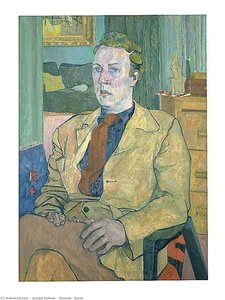
1


Aktualizované november 2026 · zoradené podľa našej miery popularity (vyhľadávanie, návštevy a objednávky pre každou prácu) · 23 dielov umelca Joseph Solman v našom katalógu
Stručne povedané
Conversation (1943) je obrazom od Joseph Solman, ktorý priťahuje najviac pohľadov. Potom sa pohľad presunie na The Broom (1947) a Portrait of Will Sallar (1958). Z 23 diel umelca Joseph Solman v našom katalógu je týchto 23 najznámejších; každá z nich je jedinečným originálom prezentovaným s jeho rokom vzniku, múzeom a dôvodom, prečo pretrváva.


Múzeum, ktoré vlastní najviac obrazov z tejto stránky.
| Múzeá | Mesto | Diela umelca Joseph Solman | Obrazy z tohto zoznamu |
|---|---|---|---|
 The Phillips Collection |
Washington, D.C. | 6 | The Broom, Portrait of Will Sallar, Portrait of Murray |
Vyberte si dekádu a pozrite si originál, ktorý ju definuje.
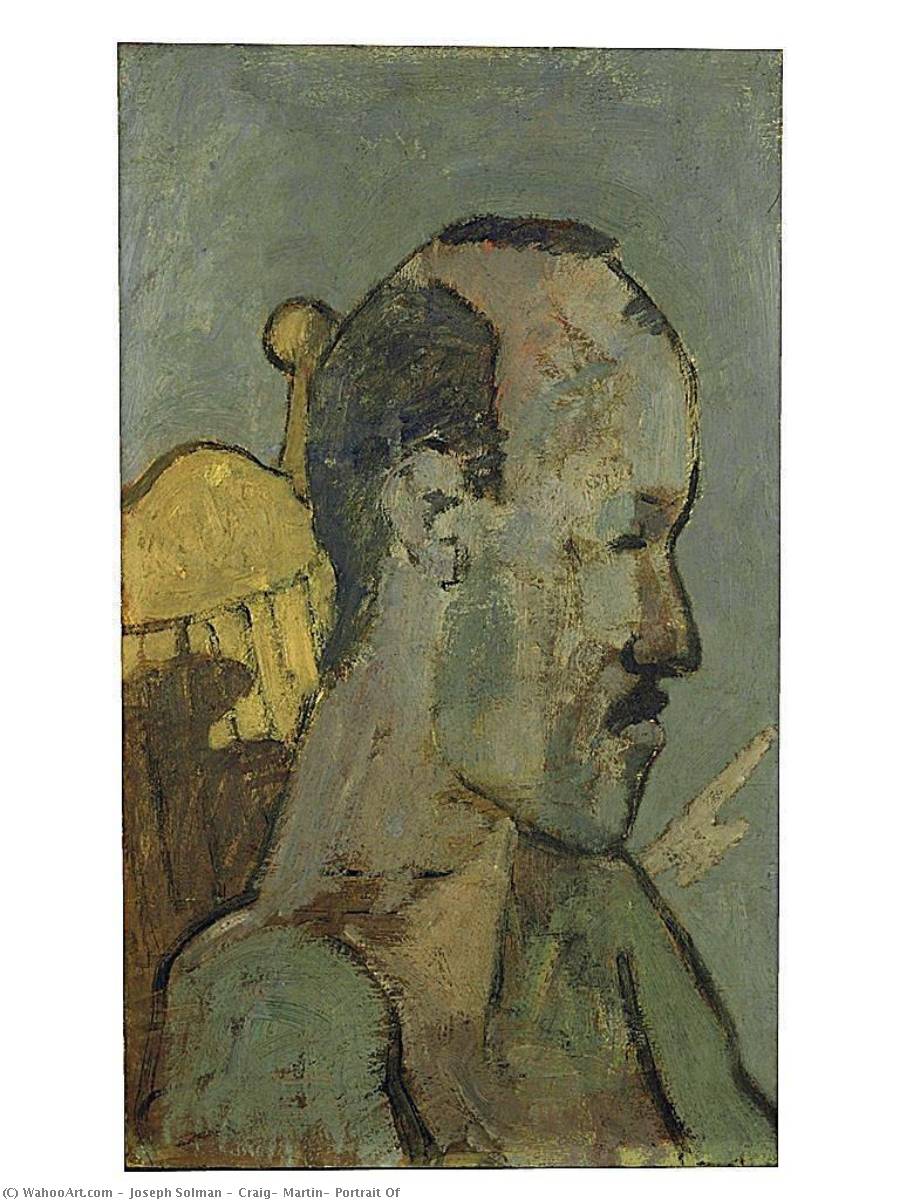
The Craig, Martin, Portrait Of is a remarkable painting created by the American artist Joseph Solman in 1936. This oil on paper piece is a testament to the artist's skill and attention to detail, showcasing his ability to capture the essence of his subject. The Artist and His Work Joseph Solman was a prominent figure in the American art scene, known for his unique style and technique. His works can…

Conversation (1943). Nasledujú The Broom (1947) a Portrait of Will Sallar (1958).
34 rokov: Conversation vzniklo v roku 1943 a Joseph Solman sa narodil/a v roku 1909.
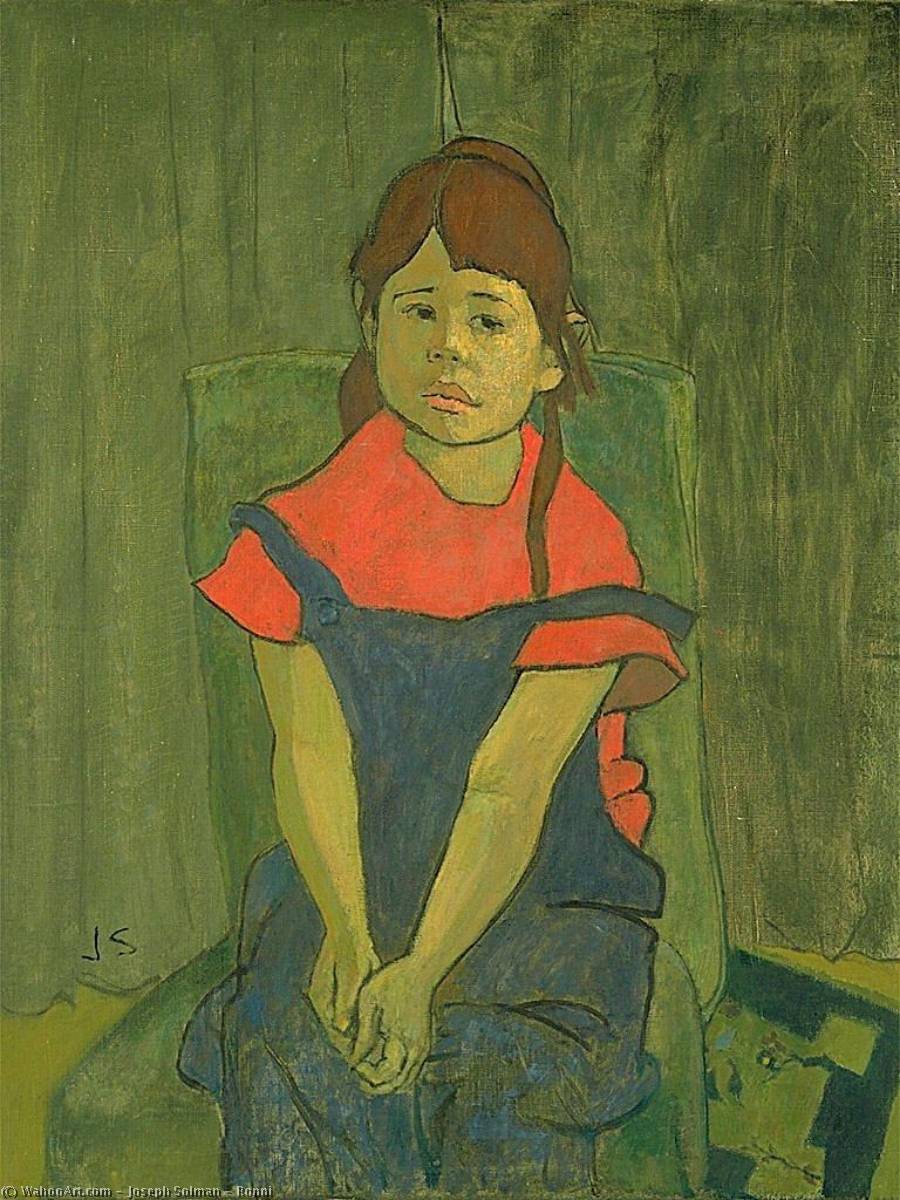
Conversation, The Broom, Portrait of Will Sallar, Portrait of Murray, Studio Interior, Books and Print, Self Portrait, Vase And Table, Studio Interior With Statue a Ronni. Vyššie uvedené hodnotenie uvádza rok a múzeu pre každé z nich.
Náš katalóg obsahuje 23 diel od umelca Joseph Solman z perioda od 1936 do 1961.
Väčšinou v The Phillips Collection (Washington, D.C.). Tabuľka múzeí vyššie ich všetky uvádza.
V období 1950s: 9 z 23 diel na tejto stránke bolo vytvorených vtedy, pričom Portrait of Will Sallar z nich.
Na tejto stránke je najstaršie dielo z Craig, Martin, Portrait Of (1936) a najnovšie z Gail (1961).
The Broom, Portrait of Will Sallar a Portrait of Murray: múzeá The Phillips Collection, Washington, D.C. uchovávajú 6 z diel na tejto stránke.
Born amidst the shifting tides of the Russian Empire in Vitebsk on January 25, 1909, Joseph Solman’s journey to becoming a cornerstone of American Expressionism was one defined by movement and profound observation. His early years were marked by the upheaval of fleeing the Cossacks, a transition that eventually brought his family to the shores of America. This sense of displacement and the subsequent immersion into the vibrant, chaotic energy of New York City would later become the lifeblood of his art. Even as a young adolescent, Solman possessed an unwavering clarity regarding his vocation, recognizing that his true purpose lay in the meticulous study of the human condition through the tip of a brush.
Solman’s formal education at the National Academy of Design provided him with a foundation, yet he famously found his most profound lessons far from the classroom. He became a dedicated observer of the city's pulse, often eschewing traditional studio settings to sketch within the rhythmic, subterranean world of the New York City Subway. It was here, amidst the weary travelers and the fleeting glances of strangers, that he developed his signature ability to capture the essence of life in motion. He famously noted that people offered their most perfect, unselfconscious poses while asleep on subway commutes, providing him with a window into a raw, unfiltered humanity.
As his style matured, Solman emerged as a pivotal figure in the mid-century American art scene. Alongside luminaries such as Mark Rothko, he became an unofficial co-leader of The Ten, a collective of New York City Expressionist painters who sought to challenge the rigid, often sterile dominance of Social Realism. This group, which also included artists like Adolph Gottlieb and Louis Schanker, championed a brand of modernism that prioritized emotional resonance and expressive potential over mere aesthetic perfection or literal representation. Through this movement, Solman helped steer American art toward a more nuanced exploration of abstraction, though he always maintained a deep reverence for the subject matter.
His artistic philosophy was never one of pure abstraction for its own sake; rather, he believed that the subject itself provided the necessary drama and tension. He famously remarked that what we call the subject yields more pattern, more poetry, and more abstract design than any shapes an artist might invent from thin air. This belief allowed him to bridge the gap between the recognizable world and the emotive power of modernism, creating works that felt both grounded in reality and elevated by spiritual depth.
The visual language of Solman’s work is characterized by a masterful command of color and texture. Influenced by the heavy, emotive brushwork of Georges Rouault and the sensibilities of Charles Hawthorne, his paintings often feature bold impasto and geometric forms that lend a structural strength to his compositions. His "Subway Gouaches," completed around 1934, remain some of his most celebrated achievements, praised by critics for their ability to evoke the mysterious, twilight atmosphere of deserted urban streets. The colors in his work are often described as having an astonishingly rich quality that seems to burn from beneath the surface of the paint.
Throughout his long and prolific career, which spanned nearly a century until his passing in 2008, Solman’s oeuvre remained a testament to the beauty found in the everyday. Whether through the striking purple hues of a portrait like High Button Shoes or the expressive, heavy textures of later works such as Gail, his art remains a profound exploration of light, shadow, and the human spirit. His legacy lives on in the permanent collections of prestigious institutions, including the Smithsonian American Art Museum and the Hirshhorn Museum and Sculpture Garden, where his ability to capture the soul of urban life continues to resonate with new generations of viewers.