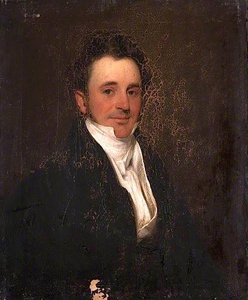
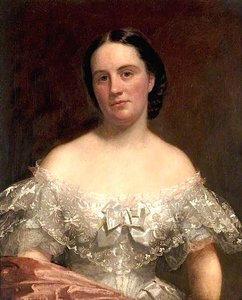
Portrét John Graham-Gilbert

100 najznámejších obrazov od John Graham-Gilbert, výber z galérie

Aktualizované november 2026 · zoradené podľa našej miery popularity (vyhľadávanie, návštevy a objednávky pre každou prácu) · 140 dielov umelca John Graham-Gilbert v našom katalógu

Stručne povedané

Z všetkých originálov, ktoré John Graham-Gilbert zanechal, je najznámejší James Watt (1736–1819) (1819). Hneď za ním nasledujú Professor George Jardine (1742–1827) (after Henry Raeburn) (1827) a John T. Alston (1780–1857), Provost of Glasgow (1820–1821) (1832). Náš katalóg obsahuje 140 diel od John Graham-Gilbert; galéria si zachovala tých 100, ktoré obdivuje celý svet, pričom každý z nich je prezentovaný spolu s jeho dátumom, múzeou a príbehom.

1794 – 1866, Glasgow Neoclassicism Najviac diel: The Dick Institute

Top 10 obrazov umelca John Graham-Gilbert: výber galérie

1
James Watt (1736–1819) (1819) od John Graham-Gilbert

James Watt (1736–1819)

1819 · Oil On Canvas

A single light source strikes the brow of James Watt, casting the rest of the world into a heavy, velvet darkness. He sits in a quiet stillness, his gaze fixed forward as if looking through the viewer toward a horizon of steam and iron. The white of his hair catches the light, a stark contrast against the deep shadows that define the contours of his face. There is a gravity…

2
Professor George Jardine (1742–1827) (after Henry Raeburn) (1827) od John Graham-Gilbert

Professor George Jardine (1742–1827) (after Henry Raeburn)

1827 · Oil On Canvas

The shadows cling to the edges of the frame, leaving only the face and upper torso of Professor George Jardine to emerge from the darkness. He gazes directly at us, his expression heavy with a quiet, intellectual authority that seems to command the very air around him. There is a stillness here, a moment frozen in 1827, where the weight of a lifetime of thought is etched into the lines…

3
John T. Alston (1780–1857), Provost of Glasgow (1820–1821) (1832) od John Graham-Gilbert

John T. Alston (1780–1857), Provost of Glasgow (1820–1821)

1832 · Oil On Canvas

The portrait presents a formal study of John Thomas Alston, a man whose posture and expression command the space of the canvas. He is depicted in a moment of quiet gravity, his presence defined by the heavy, dark tones of his attire and the deliberate arrangement of his hands. The lighting is directional, carving his features out of a deep, shadowed background and emphasizing the textures of his skin and…

4
Mrs Hugh Robertson of Gartloch (1798–1846) (1841) od John Graham-Gilbert

Mrs Hugh Robertson of Gartloch (1798–1846)

1841 · Oil On Canvas

The portrait depicts a woman seated in profile against a dark, indistinct background. She is positioned centrally, her form creating a pyramidal structure that directs the eye toward her head. The subject wears a burgundy velvet dress, the texture of which is rendered through meticulous brushwork that suggests the weight and softness of the fabric. A lace detail adorns the neckline, and a red feathered hat rests upon her head.…

5
Professor James Adair Lawrie; (1801-1859) (1855) od John Graham-Gilbert

Professor James Adair Lawrie; (1801-1859)

1855 · Oil On Canvas · The Hunterian Museum and Art Gallery, Glasgow

In this 1855 oil portrait, we encounter Professor James Adair Lawrie, a man whose presence commands a quiet, somber authority. He is presented in a three-quarter length view, seated with an upright posture that suggests a lifetime of academic discipline. The composition is intimate, placing the viewer at eye-level with the subject, creating a direct connection that feels almost private. There is a profound sense of weight to the figure,…

6
Mrs Agnes D'Arcy Jarvie (1866) od John Graham-Gilbert

Mrs Agnes D'Arcy Jarvie

1866 · Oil On Canvas

This portrait, titled Mrs Agnes D'Arcy Jarvie, was painted by John Graham Gilbert in 1866. The subject is depicted from the chest up in a seated position. She is positioned in the center of the frame, gazing directly at the viewer. The composition focuses on her face and upper body, set against a blurred background that suggests an interior environment.

7
Meditation od John Graham-Gilbert

Meditation

Oil

In Meditation, John Graham Gilbert presents a quiet study of introspection. The subject is a woman with long hair, dressed in a gown, captured in a moment of stillness. She is seated, her gaze directed upward as if caught in a private moment of thought or lost within her own internal world. There is a sense of profound contemplation in her expression that draws the viewer into her silent state…

8
Isabella Ewing, Mrs Smith of Jordanhill (1810) od John Graham-Gilbert

Isabella Ewing, Mrs Smith of Jordanhill

1810 · Oil

In this portrait of Isabella Ewing, Mrs Smith of Jordanhill, John Graham Gilbert captures a moment of quietude. The subject sits in a composed pose, her presence filling the center of the frame from her head down to her upper torso. She wears a delicate white lace collar and a bonnet, details that catch the light against the darker tones of her attire. Her hands rest gracefully upon a cushion,…

9
James Watt (1819) od John Graham-Gilbert

James Watt

1819 · Oil On Canvas

The gaze of the inventor meets us directly in this portrait of James Watt. Painted by John Graham Gilbert, the work captures the man who transformed the mechanics of the world through his steam engine. He sits before us, a figure of historical weight, frozen in a moment of quiet intensity. The likeness is steady and unyielding, as if the subject is contemplating the very forces of pressure and heat…

10
Self Portrait (1822) od John Graham-Gilbert

Self Portrait

1822 · Oil · The Hunterian Museum and Art Gallery, Glasgow

A man stares from the canvas, his gaze fixed and unyielding. He wears a dark suit and a tie, the formal attire of a gentleman from a bygone era. A beard and mustache frame a face etched with a serious, perhaps even weary, expression. The palette is stripped of color, rendered in the stark, monochromatic tones of black and white. This choice removes the distraction of hue, leaving only the…

Výber umelcov John Graham-Gilbert pokračuje, od 11 do 100

11Self Portrait (copy of Joshua Reynolds) (1819) od John Graham-GilbertSelf Portrait (copy of Joshua Reynolds)1819 12James Irvine (1826) od John Graham-GilbertJames Irvine1826 13An Italian Nobleman (1830) od John Graham-GilbertAn Italian Nobleman1830 14James Dennistoun, Esq., of Golfhill (1829) od John Graham-GilbertJames Dennistoun, Esq., of Golfhill1829 15Joseph Hume, Political Economist (1823) od John Graham-GilbertJoseph Hume, Political Economist1823 16James Irvine (d.1831) (1826) od John Graham-GilbertJames Irvine (d.1831)1826 17William Murdoch (1754–1839) (1827) od John Graham-GilbertWilliam Murdoch (1754–1839)1827 · Birmingham Museum and Art Gallery 18William Dale (1794–1827) (1825) od John Graham-GilbertWilliam Dale (1794–1827)1825 19A Tyrolese Hunter (1826) od John Graham-GilbertA Tyrolese Hunter1826 20Joseph Hume (1777–1855), Political Economist (1823) od John Graham-GilbertJoseph Hume (1777–1855), Political Economist1823 · Škótska národná galéria portrétov 21William Richardson (1743–1814), Professor of Humanity at the University of Glasgow (1773–1815) (1827) od John Graham-GilbertWilliam Richardson (1743–1814), Professor of Humanity at the University of Glasgow (1773–1815)1827 22An Italian Nobleman (1830) od John Graham-GilbertAn Italian Nobleman1830 · Royal Scottish Academy of Art - Architecture 23Saint Sebastian (1826) od John Graham-GilbertSaint Sebastian1826 24James Dennistoun, Esq., of Golfhill (1758–1835) (1829) od John Graham-GilbertJames Dennistoun, Esq., of Golfhill (1758–1835)1829 25Sir Walter Scott (1771–1832), Bt, FRSE (1829) od John Graham-GilbertSir Walter Scott (1771–1832), Bt, FRSE1829 · The Royal Society of Edinburgh 26Figure of a Lady (after Jacopo Palma il vecchio) (1825) od John Graham-GilbertFigure of a Lady (after Jacopo Palma il vecchio)1825 27The Martyrdom of Saint Justina (after Paolo Veronese) (1825) od John Graham-GilbertThe Martyrdom of Saint Justina (after Paolo Veronese)1825 28Reverend Stevenson MacGill (1765–1840), Professor of Divinity at the University of Glasgow (1834) od John Graham-GilbertReverend Stevenson MacGill (1765–1840), Professor of Divinity at the University of Glasgow1834 29James Hopkirk of Dalbeth (1835) od John Graham-GilbertJames Hopkirk of Dalbeth1835 30Thomas Graham (1805–1869), FRS (1837) od John Graham-GilbertThomas Graham (1805–1869), FRS1837 31Duncan MacFarlan (1771–1857), Principal of the University of Glasgow (1823–1857) (1839) od John Graham-GilbertDuncan MacFarlan (1771–1857), Principal of the University of Glasgow (1823–1857)1839 32John Gibson (1847) od John Graham-GilbertJohn Gibson1847 · Scottish National Gallery 33John Burns, Professor of Surgery at the University of Glasgow (1848) od John Graham-GilbertJohn Burns, Professor of Surgery at the University of Glasgow1848 34Lord Kelvin William Thomson, at the Age of 22 (1846) od John Graham-GilbertLord Kelvin William Thomson, at the Age of 221846 35John Burns (1775–1850), Professor of Surgery at the University of Glasgow (1815–1850) (1848) od John Graham-GilbertJohn Burns (1775–1850), Professor of Surgery at the University of Glasgow (1815–1850)1848 36John Gibson (1790–1866), RA (1848) od John Graham-GilbertJohn Gibson (1790–1866), RA1848 37Portrait of an Unknown Sitter with a Book (1846) od John Graham-GilbertPortrait of an Unknown Sitter with a Book1846 · The Dick Institute 38Georgina Smith (1846) od John Graham-GilbertGeorgina Smith1846 · Stirling Smith Art Gallery And Museum 39Georgina Smith (1846) od John Graham-GilbertGeorgina Smith1846 · The Stirling Smith Art Gallery - Museum 40Lord Kelvin William Thomson (1824–1907), at the Age of 22 (1846) od John Graham-GilbertLord Kelvin William Thomson (1824–1907), at the Age of 221846 41Portrait of a Man (formerly designated as Andreas Vesalius) (after a Venetian artist) (1840) od John Graham-GilbertPortrait of a Man (formerly designated as Andreas Vesalius) (after a Venetian artist)1840 42Mrs James Scott of Kelly (1850) od John Graham-GilbertMrs James Scott of Kelly1850 43The Holy Family (1850) od John Graham-GilbertThe Holy Family1850 · Baddesley Clinton 44Mrs James Scott of Kelly (1850) od John Graham-GilbertMrs James Scott of Kelly1850 45Thomas Thomson (1773–1852) (1850) od John Graham-GilbertThomas Thomson (1773–1852)1850 46William Fleming (d.1866), Professor of Oriental Languages (1831–1839) and Professor of Moral Philosophy (1839–1866) at the University of Glasgow (1854) od John Graham-GilbertWilliam Fleming (d.1866), Professor of Oriental Languages (1831–1839) and Professor of Moral Philosophy (1839–1866) at the University of Glasgow1854 47Sir John Watson Gordon (1788–1864), Artist (1854) od John Graham-GilbertSir John Watson Gordon (1788–1864), Artist1854 · Škótska národná galéria portrétov 48The First Born (1853) od John Graham-GilbertThe First Born1853 49Mrs John Jarvie (1859) od John Graham-GilbertMrs John Jarvie1859 50James Buchanan (1860) od John Graham-GilbertJames Buchanan1860 · Nhs Lothian 51Going to Market (1860) od John Graham-GilbertGoing to Market1860 52Crossing the Ford (1859) od John Graham-GilbertCrossing the Ford1859 53Alexander Hill (1786–1867), Professor of Divinity at the University of Glasgow (1840–1862) (1864) od John Graham-GilbertAlexander Hill (1786–1867), Professor of Divinity at the University of Glasgow (1840–1862)1864 54William Weir (1794–1876), President of the Faculty of Physicians and Surgeons of Glasgow (1847–1849) (1865) od John Graham-GilbertWilliam Weir (1794–1876), President of the Faculty of Physicians and Surgeons of Glasgow (1847–1849)1865 55The Bandit’s Bride (1866) od John Graham-GilbertThe Bandit’s Bride1866 · Royal Scottish Academy of Art - Architecture 56The Beggar Maid od John Graham-GilbertThe Beggar Maid 57Ideal Portrait od John Graham-GilbertIdeal Portrait 58A Lady (after Henry Raeburn) od John Graham-GilbertA Lady (after Henry Raeburn) 59Bailie David Mitchell, OBE od John Graham-GilbertBailie David Mitchell, OBE 60Charles Lawson of Borthwick Hall (d.1874), Lord Provost of Edinburgh (1862–1865) od John Graham-GilbertCharles Lawson of Borthwick Hall (d.1874), Lord Provost of Edinburgh (1862–1865) 61Archibald William Montgomerie (1812–1861), 13th Earl of Eglinton od John Graham-GilbertArchibald William Montgomerie (1812–1861), 13th Earl of Eglinton 62Ann Margaret Forbes Leslie, Wife of Alexander Forbes Irvine, 20th Laird of Drum od John Graham-GilbertAnn Margaret Forbes Leslie, Wife of Alexander Forbes Irvine, 20th Laird of Drum 63Professor James Thomson (1786–1849), Professor of Mathematics at the University of Glasgow (1832–1849) od John Graham-GilbertProfessor James Thomson (1786–1849), Professor of Mathematics at the University of Glasgow (1832–1849)The Hunterian Museum and Art Gallery 64James Dennistoun, Esq. of Golfhill (1758–1835) od John Graham-GilbertJames Dennistoun, Esq. of Golfhill (1758–1835) 65The Young Seamstress od John Graham-GilbertThe Young Seamstress 66Dr William Hunter (1718–1783) (after Joshua Reynolds) od John Graham-GilbertDr William Hunter (1718–1783) (after Joshua Reynolds) 67Old Woman Reading (after Rembrandt van Rijn) od John Graham-GilbertOld Woman Reading (after Rembrandt van Rijn) 68Head of an Old Woman with a Cap, in Profile to the Right od John Graham-GilbertHead of an Old Woman with a Cap, in Profile to the Right 69Madonna della scodella (after Correggio) (1825) od John Graham-GilbertMadonna della scodella (after Correggio)1825 70Madonna with Saint Jerome (after Correggio) (1825) od John Graham-GilbertMadonna with Saint Jerome (after Correggio)1825 71Humphrey E. Maclae of Cathkin od John Graham-GilbertHumphrey E. Maclae of Cathkin 72Mungo Campbell od John Graham-GilbertMungo Campbell 73Elizabeth Buchanan od John Graham-GilbertElizabeth Buchanan 74Mrs Isabella C. Campbell od John Graham-GilbertMrs Isabella C. Campbell 75Girls at a Stream od John Graham-GilbertGirls at a Stream 76Italian Gentleman od John Graham-GilbertItalian Gentleman 77Self Portrait od John Graham-GilbertSelf PortraitRoyal Scottish Academy of Art - Architecture 78A Grecian Girl od John Graham-GilbertA Grecian Girl 79Study of a Female Figure od John Graham-GilbertStudy of a Female Figure 80Mrs James Buchanan od John Graham-GilbertMrs James BuchananNhs Lothian 81James Hamilton od John Graham-GilbertJames Hamilton 82Reverend John Burns (1744–1839), Minister of the Barony Church, Glasgow (1774–1839) od John Graham-GilbertReverend John Burns (1744–1839), Minister of the Barony Church, Glasgow (1774–1839) 83A Lady Sketching od John Graham-GilbertA Lady Sketching 84Portrait of Lady od John Graham-GilbertPortrait of LadyThe Dick Institute 85Female Portrait od John Graham-GilbertFemale Portrait 86Female Portrait od John Graham-GilbertFemale Portrait 87Italian Woman od John Graham-GilbertItalian Woman 88James Buchanan of Dowanhill (1756–1844) od John Graham-GilbertJames Buchanan of Dowanhill (1756–1844) 89Jane Buchanan od John Graham-GilbertJane BuchananThe Dick Institute 90William Murdock (1754–1839) od John Graham-GilbertWilliam Murdock (1754–1839)The Royal Society of Edinburgh 91Adam Black od John Graham-GilbertAdam BlackThe Merchant's Hall 92Italian Girl od John Graham-GilbertItalian Girl 93Andrew Stevenson Dalglish (1793–1858) od John Graham-GilbertAndrew Stevenson Dalglish (1793–1858) 94Humphrey E. Maclae of Cathkin (1773–1860) od John Graham-GilbertHumphrey E. Maclae of Cathkin (1773–1860) 95Contemplation od John Graham-GilbertContemplation 96Mungo Campbell od John Graham-GilbertMungo Campbell 97Portrait of a Man od John Graham-GilbertPortrait of a ManThe Dick Institute 98Elizabeth Buchanan od John Graham-GilbertElizabeth BuchananThe Dick Institute 99Figure Study od John Graham-GilbertFigure Study 100A Grecian Girl od John Graham-GilbertA Grecian Girl

Slávne obrazy umelca John Graham-Gilbert podľa jednotlivých období

Motívy, ktoré zaujali John Graham-Gilbert

Štyri témy, ktoré sa v týchto origináloch najčastejšie vracajú, každá s jej najvychybenejším príkladom.

Múzeá, ktoré uchovávajú originály umelca John Graham-Gilbert

8 múzeá, v ktorých sa nachádza najviac obrazov z tejto stránky.

Múzeá Mesto Diela umelca John Graham-Gilbert Obrazy z tohto zoznamu
The Dick Institute, KilmarnockThe Dick Institute Kilmarnock 5 Portrait of an Unknown Sitter with a Book, Portrait of Lady, Jane Buchanan
The Hunterian Museum and Art Gallery, GlasgowThe Hunterian Museum and Art Gallery Glasgow 3 Professor James Adair Lawrie; (1801-1859), Self Portrait, Professor James Thomson (1786–1849), Professor of Mathematics at the University of Glasgow (1832–1849)
Royal Scottish Academy of Art - Architecture, EdinburghRoyal Scottish Academy of Art - Architecture Edinburgh 3 An Italian Nobleman, The Bandit’s Bride, Self Portrait
Škótska národná galéria portrétov, EdinburghŠkótska národná galéria portrétov Edinburgh 2 Joseph Hume (1777–1855), Political Economist, Sir John Watson Gordon (1788–1864), Artist
The Royal Society of Edinburgh, EdinburghThe Royal Society of Edinburgh Edinburgh 2 Sir Walter Scott (1771–1832), Bt, FRSE, William Murdock (1754–1839)
Nhs Lothian, EdinburghNhs Lothian Edinburgh 2 James Buchanan, Mrs James Buchanan
Birmingham Museum and Art Gallery, BirminghamBirmingham Museum and Art Gallery Birmingham 1 William Murdoch (1754–1839)
Scottish National Gallery, EdinburghScottish National Gallery Edinburgh 1 John Gibson

John Graham-Gilbert dekáda po dekáde: originál, ktorý definuje každú z nich

Diela podľa dekád

Vyberte si dekádu a pozrite si originál, ktorý ju definuje.

Otázky zberateľov o obrazoch od John Graham-Gilbert

Ktorým dielom je John Graham-Gilbert najznámejší/najznámejšia?Odhaľte odpoveď

James Watt (1736–1819) (1819). Nasledujú Professor George Jardine (1742–1827) (after Henry Raeburn) (1827) a John T. Alston (1780–1857), Provost of Glasgow (1820–1821) (1832).

V akom veku bol/a John Graham-Gilbert, keď vzniklo dielo James Watt (1736–1819)?Odhaľte odpoveď

25 rokov: James Watt (1736–1819) vzniklo v roku 1819 a John Graham-Gilbert sa narodil/a v roku 1794.

Ktorých desať najznámejších obrazov má John Graham-Gilbert?Odhaľte odpoveď

James Watt (1736–1819), Professor George Jardine (1742–1827) (after Henry Raeburn), John T. Alston (1780–1857), Provost of Glasgow (1820–1821), Mrs Hugh Robertson of Gartloch (1798–1846), Professor James Adair Lawrie; (1801-1859), Mrs Agnes D'Arcy Jarvie, Meditation, Isabella Ewing, Mrs Smith of Jordanhill, James Watt a Self Portrait. Vyššie uvedené hodnotenie uvádza rok a múzeu pre každé z nich.

Koľko obrazov zanechal umenec John Graham-Gilbert?Odhaľte odpoveď

Náš katalóg obsahuje 140 diel od umelca John Graham-Gilbert z perioda od 1810 do 1866.

V ktorých múzeách visia majstrovské diela umelca John Graham-Gilbert?Odhaľte odpoveď

Väčšinou v The Dick Institute (Kilmarnock), The Hunterian Museum and Art Gallery (Glasgow) a Royal Scottish Academy of Art - Architecture (Edinburgh). Tabuľka múzeí vyššie ich všetky uvádza.

V ktorých rokoch vytvoril John Graham-Gilbert svoje najznámejšie diela?Odhaľte odpoveď

V období 1820s: 18 z 100 diel na tejto stránke bolo vytvorených vtedy, pričom Professor George Jardine (1742–1827) (after Henry Raeburn) z nich.

Aké sú prvé a posledné známe originály od John Graham-Gilbert?Odhaľte odpoveď

Na tejto stránke je najstaršie dielo z Isabella Ewing, Mrs Smith of Jordanhill (1810) a najnovšie z Mrs Agnes D'Arcy Jarvie (1866).

Aké témy si John Graham-Gilbert najčastejšie vyberal/a?Odhaľte odpoveď

Man (29), Portrait (18) a Suit (18), v rámci 100 diel na tejto stránke.

Ktorú techniku používal(a) John Graham-Gilbert najčastejšie?Odhaľte odpoveď

Oil On Canvas, pre 21 z 100 diel na tejto stránke.

Do ktorého umeleckého smeru patrí John Graham-Gilbert?Odhaľte odpoveď

Neoclassicism, podľa originálov na tejto stránke.

Aké diela umelca John Graham-Gilbert sa nachádzajú v múzeu The Dick Institute?Odhaľte odpoveď

Portrait of an Unknown Sitter with a Book, Portrait of Lady a Jane Buchanan: múzeá The Dick Institute, Kilmarnock uchovávajú 5 z diel na tejto stránke.

John Graham-Gilbert: život a dielo

John Graham-Gilbert: Benet Venécia v škotskej horskej krajine

John Graham-Gilbert (1794 – 4. júna 1866) predstavuje fascinujúcu postać viktor\u00edanskeho britského umenia, maliara, ktor\u00fd kari\u00e9ra sa rozvinula naprieč kontinentmi a ktor\u00fdho styl od\u00f3zrazuje zaujimatl\u00fa zmes vplyvov. Narodil sa v Glasgow\u0111, v rodine hlboko zapojen\u00e9 v obchod\u2014jeho otec bol\u00ed destacado\u00fd obchodn\u00edk s West Indiemi—a Graham-Gilbert sa p\u0159ev\u00f2dne venoval účtovnictv\u00ed, kým neobjavil svoje skuto\u00e1 poslanie: p\u00fablav\u00fd svet malba\u0159stva. Tento zvrat nebol len zmenou povolania; predstavoval vedom\u00e9 odmietnutie rodinných očak\u00e1van\u00ed a prijatie umeleck\u00e9ho vyjadrenia, rozhodnutie, ktor\u00e9 nakoniec formovalo jeho \u00fet\u00ed aj jeho od\u00e1\u00f2. Jeho ran\u00e9 vzdel\u00e1vanie bolo neskonven\u00ecin\u00e9, poznamenan\u00e9 cestou do Lond\u00edna v roku 1818, kde sa mu podarilo prijať členstvo v Royal Academy, _,čo bol k\u015frt\u0\\9 k ustavovania si svojho miesta v etablovanom svete umenia. Pr\u00e1ve v tomto obdobl\u00ed začal vypracov\u00e1va\u0165 svoj vlastn\u00fd, de\ndink\u00edt, ktor\u00fd sa vyznachoval neu\u0161midelnou citlivos\u0165ou k svetlu a tie\u0148u, _,čo je zv\u00e4r\u00f3\u0165te dobre vid\u00ed\u0165 v jeho portr\u011btech a žánrov\u00fdch scen\u00e1ch.

Vene\u010dsk\u00fd vplyv: Correggio a majstri

Graham-Gilbertov umeleck\u00fd cestov\u00fd proces nadobudol k\u0151tovit\u00fd zvrat v 20. \u00e1rokoch s cestou do It\u00e1lie. Toto ponorenie sa do srdca renesancie sa uk\u00e1zalo transformovan\u010d\u00edm, hlboko ovplyvnuj\u00accom jeho techniku aj estetick\u00e9 vnemanie. Obzv\u0165a sa zaobmnel pr\u00e1cam Correggia, ktor\u00fd majstrovsk\u00fd pou\u017e\u00edvok chiaroscuro – dramatick\u00e9j hry svetla a tma\u2013 v ňom hlboko rezonoval. Metodikicky studoval Correggiove kompoz\u00edcie, nelen ich kop\u00edroval, ale pohlcoval principy atmosf\u00e9rickej perspekt\u00edvy, jemn\u00e9ho modelovania a hlbok\u00e9ho porozumenia humannej em\u00f3cie. Tento fascin\u00e1cia s Correggia je jasne vid\u0#99te\u013e v mnoh\u00fdch jeho neskor\u0165\u00edch dieloch, osobl\u00eba v portr\u011btech, kde majstrovsky vyu\u017e\u00edvav subt\u00edsne grad\u00e1cie tónov na vytvorenie il\u00fazi h\u0165lou\u010dk\u00fd a objemu. Okrem Correggia Graham-Gilbert h\u0159adl in\u0159adenie aj u in\u00fdch vene\u010dsk\u00fdch majstrov ako Palma Vecchio a Gaspard Dughet, a do vlastnej praxe začlenil ich techniky lumin\u0165\u00edch farieb a dynamickej umeleck\u00e9ho \u015ftyhu. Jeho obrazy \u01forest\u00fd menudo evokuj\u0165 atmosf\u00e9ru Ben\u00e1ku – jej kan\u00e1ly, svetlo a pulzuj\u00ed soci\u0#93ny \u017eivot – _,co naznacuje hlbok\u00fa ob\u0165ud\u00faa jej umeleck\u00e9ho dedicitstva.

Portr\u00e9ty a \u017eanrov\u00e9 sc\u00e9ny: Zachyt\u00e1vanie viktor\u00edanskeho \u017eivota

Graham-Gilbert sa prim\u00e1rne zameriaval na dva \u017eanry: portr\u00e9t a \u017eanrov\u00e9 sc\u00e9ny. Jeho portr\u00e9ty neboli len jednoduch\u00e9 podoby; ich cie\u013e\u0165ou bylo zachyti\u0165 osobnost, charakter a soci\u00e1lne postavenie subjektov. Mal neu\u0161mideln\u00e9 schopnosti portr\u00e9tova\u0165 jednotlivc\u00e1 s citlivos\u0165ou a v\u0165om, odhaluj\u00f3c ich vn\u00edtry\u0165 prost\u00facez\u0165ou jemn\u00fdch gest, výrazov a starostlivo pozorovan\u00fdch detailov. Jeho portr\u00e9ty viktor\u00edanskej spoločnosti – priemyseln\u00edk, obchodn\u00edkov, akademikov a aristokratov – sa pokladaj\u00fa za particularly vynikaj\u00fca primery umeleck\u00fdch konvenci\u00ed tej doby, no prisposobuj\u0165 im aj vynam\u00edt\u00fa lidsk\u00fa kvalitu. Vedle portr\u00e9tov Graham-Gilbert tvoril mnoho \u017eanrov\u00fdch sc\u00e9n zobrazuj\u00bcuj\u00bcich ka\u017dn\u00fd \u017eivot v Szkotsku a Anglicku. Tieto diela pon\u00fakaj\u0165 na poh\u0121ledy do dom\u00e1cej rutiny, soci\u00e1lnych interakci\u00ed a vo\u013e\u0165\u00f3dnych aktivit\u00edt viktor\u00edanskeho obdobia, \u01forest\u0165 menudo preplaten\u00e9 jemn\u0#93 humorem a bystr\u00edtmi vedom\u00edm o nuancach human\u00e9ho spr\u00e1vavania. „Nevesta banditov“, jeden z jeho najsl\u00f3vnej\u0165\u00edch obrazov, tento \u0165kav\u00fd exemplifikuje – je to p\u00fablaviv\u00e9 zobrazenie tajomnej \u017eeny v pit\u00facnej krajine, ktor\u00e9 demonstruje jeho majstrovstv\u00ed v svetle, farbe a kompoz\u00edcii.

Technika a styl: Jemn\u00e1 rovnov\u00e1ha

Umeleck\u00fd styl Gra hama-Gilberta by sa dal charakterizovat' ako jemn\u00e1 rovnov\u00e1ha medzi pozorovan\u00edm a imagin\u00e1ciou. Bol meticul\u00f3znym pozorovatelem sveta okolo seba, starostlivo studuj\u00im anatomiu, perspekt\u00edvu a vplyvy svetla. Av\u0165lam však aj siln\u00fd cit pre um\u00e9leck\u00fa slobodu, vyu\u017evaj\u0165iac techniky ako sfumato – jemn\u00e9 rozmaz\u00e1vanie obrysov – na vytvorenie atmo\u016ffery tajomstva a nejednoz\u00e1cnosti. Jeho \u015ftyah p\u010dinkom je v\u0165ade\u0165ne hladk\u00fd a vy\u01eafin\u011bny, no pritom si zachov\u00e1vav ist\u0165u spont\u00e1nnosti a vitality. Bol osobl\u00eba zdatn\u00fd v zobrazovan\u00ed tkan\u00edn a text\u00far, vkladaj\u0165 do sv\u00fdch obrazov vynikaj\u00fca\u0165 rea\u013eismus. Vplyv Correggia je najv\u00edd\u0165e v jeho pou\u017e\u00edvan\u00ed chiaroscuro, ktor\u00fd vyu\u017e\u00edval na vytvorenie dramatick\u00fdch kontrastov svetla a tma, \u0165im dod\u00e1vaj\u00ed depth a emocion\u00e1ln\u00e9 intenzitu sv\u00fdm kompoz\u00edci\u00f3m.

Odkaz a vplyv

Pr prispevek Johna Gra hama-Gilberta k viktor\u00edans\u00e9mu umeniu spo\u015fire nie len na kvalit\u00e9 jeho jednotliv\u00fdch diel, ale aj na jeho roli majstrovsk\u00e9ho interpretatora vene\u010dsk\u00fdch umeleck\u00fdch trad\u00edci\u00ed. Pomohol predstavi\u0165 št\u00fdl Correggia britsk\u00e9mu publiku a ovplyvnil gener\u010du umelcov, ktor\u00ed sa sna\u017eili napodob\u0159it jeho ovladnutie svetlom a farbou. Jeho obrazy sa aj dnes obdivuj\u0165 za svoj\u00fa \u00fado\u0165, citlivos\u0165 a technick\u00fa z\u00fdrastnos\u0165. Jeho diela sa dnes nach\u00e1zaj\u0165 v zbierkach ako Glasgow Kelvingrove Art Gallery and Museum, \u01bfc svedectvom o jeho trvaj\u00edch umeleck\u00fdch hodnot\u00e1ch. Hoci nemus\u00ed by\u0165 tak\u00e1 široko oslavovan\u00fd ako niektor\u00ed jeho spolus\u00edu\u010d}, John Graham-Gilbert ostaje σημανnou postavou v dejin\u00e1ch skl\u00e1skeho umenia—maliarom, ktor\u00fd uspesne premostil\u0165 medzi severn\u010dnou trad\u00edciou a ide\u00e1lmi italskej renesancie.