
Obsah článku
Základné informácie
- Works on APS: 18
- Lifespan: 76 years
- Nationality: Nemecko
- Museums on APS:
- Schloss Charlottenburg
- Ermitáž
- Národná galéria
- Typical colors: espresso
- Topics explored:
- architecture
- urban landscape
- 19th century
- palaces
- germany
- Top-ranked work: Staircase in the Berlin Palace
- Top 3 works:
- Staircase in the Berlin Palace
- Workshop of the Gropius Brothers
- Klosterstrasse
- Also known as: Eduard Gaertner
- Viac…
- Mediums: olej na plátne
- Art period: 19th Century
- Born: 1801, Berlín, Nemecko
- Copyright status: Public domain
- Died: 1877
- Vibe: elegantný
- Room fit: denná miestnosť
- Best occasions: dominanta
- Color intensity: monochromatický
Kvíz o umení
Pri každej otázke je iba jedna správna odpoveď.
Otázka 1:
¿Čo bol Eduard Gaertner najmä známy za kreslenie?
Otázka 2:
¿Kde získal Eduard Gaertner prvý kresobranie?
Otázka 3:
¿Čo zabezpečilo Eduardovi Gaertner finančné prostriedky na cestu do Paríža?
Otázka 4:
¿Ako sa Gaertner vyrovnal s nedostatkom finančného zabezpečenia po smrti kráľa Friedricha Viléma III.?
Otázka 5:
¿Ako Gaertner pomohol pri kreslení svojich obrazov?
Súvisiace články
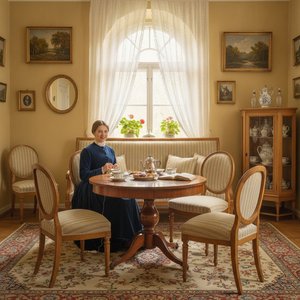
Biedermeier Style: The Art of Comfort, Elegance, and Middle-Class Sophistication in 19th-Century Europe
Explore the Biedermeier style, a 19th-century era of elegance and domestic comfort. Discover how post-Napoleonic social shifts shaped European art, furniture, and middle-class sophistication through an expert historical lens.

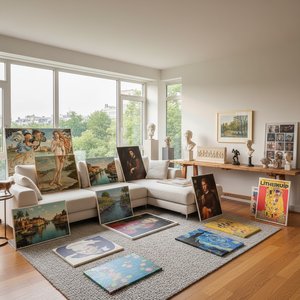
Top 25 majstrovských diel Staatliche Museen Berlin: Umění pre váš domov | OriginalUniqueArt.com
Objavte 25 ikonických diel Staatliche Museen Berlín! Prežite príbeh Nefertiti, Pergamonu a ďalších majstrovských kúskov. Reprodukcie obrazov pre váš domov na OriginalUniqueArt.com – múzejná kvalita a inšpirácia pre interiér.

Biedermeier: Art, Society & Intimacy in Restoration Europe
Explore the world of Biedermeier art & culture! Discover the history, aesthetic principles, and lasting influence of this fascinating European movement. Expert insights & beautiful reproductions at OriginalUniqueArt.


