Portrét Jacques De Claeuw

9 najznámejších obrazov od Jacques De Claeuw, výber z galérie

Aktualizované november 2026 · zoradené podľa našej miery popularity (vyhľadávanie, návštevy a objednávky pre každou prácu) · 9 dielov umelca Jacques De Claeuw v našom katalógu

Stručne povedané

Z všetkých originálov, ktoré Jacques De Claeuw zanechal, je najznámejší still - life (1650), ktorý sa nachádza v zbierkach Het Prinsenhof v meste Delft. Hneď za ním nasledujú Vanitas stilleven met een beeltenis van Van Dyck (1679) a Stilll life with fruits (1653). Náš katalóg obsahuje 9 diel od Jacques De Claeuw; galéria si zachovala tých 9, ktoré obdivuje celý svet, pričom každý z nich je prezentovaný spolu s jeho dátumom, múzeou a príbehom.

1623 – 1694, Dordrecht Najviac diel: Het Prinsenhof

Top 10 obrazov umelca Jacques De Claeuw: výber galérie

3
Stilll life with fruits (1653) od Jacques De Claeuw

Stilll life with fruits

1653 · Oil On Canvas · Frans Hals Museum, Haarlem

In this 1653 composition, we find ourselves in the quiet, shadowed atmosphere of the Dutch Golden Age. The arrangement is pyramidal, a deliberate structure that directs the eye from the heavy, metallic weight of the vessels upward through a cascading overflow of organic matter. A silver or pewter goblet sits at the center of this bounty, its surface catching the light to reveal a cool, metallic sheen that contrasts sharply…

Múzeá, ktoré uchovávajú originály umelca Jacques De Claeuw

6 múzeá, v ktorých sa nachádza najviac obrazov z tejto stránky.

Múzeá Mesto Diela umelca Jacques De Claeuw Obrazy z tohto zoznamu
Het Prinsenhof, DelftHet Prinsenhof Delft 1 still - life
Staatliche Kunsthalle Karlsruhe, KarlsruheStaatliche Kunsthalle Karlsruhe Karlsruhe 1 Vanitas stilleven met een beeltenis van Van Dyck
Frans Hals Museum, HaarlemFrans Hals Museum Haarlem 1 Stilll life with fruits
Kráľovské múzeum výtvarných umení Antverpy, AntverpyKráľovské múzeum výtvarných umení Antverpy Antverpy 1 Vanitas
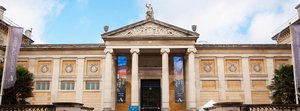
Ashmolean Museum, OxfordAshmolean Museum Oxford 1 Still Life with a Violin
Rijksmuseum, AmsterdamRijksmuseum Amsterdam 1 Vanitas Still Life, Jacques de Claeuw, 1650

Jacques De Claeuw dekáda po dekáde: originál, ktorý definuje každú z nich

Diela podľa dekád

Vyberte si dekádu a pozrite si originál, ktorý ju definuje.

Otázky zberateľov o obrazoch od Jacques De Claeuw

Ktorým dielom je Jacques De Claeuw najznámejší/najznámejšia?Odhaľte odpoveď

still - life (1650), Het Prinsenhof, Delft. Nasledujú Vanitas stilleven met een beeltenis van Van Dyck (1679) a Stilll life with fruits (1653).

V akom veku bol/a Jacques De Claeuw, keď vzniklo dielo still - life?Odhaľte odpoveď

27 rokov: still - life vzniklo v roku 1650 a Jacques De Claeuw sa narodil/a v roku 1623.

Koľko obrazov zanechal umenec Jacques De Claeuw?Odhaľte odpoveď

Náš katalóg obsahuje 9 diel od umelca Jacques De Claeuw z perioda od 1642 do 1680.

V ktorých múzeách visia majstrovské diela umelca Jacques De Claeuw?Odhaľte odpoveď

Väčšinou v Het Prinsenhof (Delft), Staatliche Kunsthalle Karlsruhe (Karlsruhe) a Frans Hals Museum (Haarlem). Tabuľka múzeí vyššie ich všetky uvádza.

V ktorých rokoch vytvoril Jacques De Claeuw svoje najznámejšie diela?Odhaľte odpoveď

V období 1650s: 5 z 9 diel na tejto stránke bolo vytvorených vtedy, pričom still - life z nich.

Aké sú prvé a posledné známe originály od Jacques De Claeuw?Odhaľte odpoveď

Na tejto stránke je najstaršie dielo z Vanitas still life with skull, glass sphere and flag (1642) a najnovšie z Vanitas still life with skull, violin, cittern, playing cards, books, and a globe (1680).

Jacques De Claeuw: život a dielo

A Life Illuminated: Jacques de Claeuw and the Dutch Golden Age Still Life

Jacques de Claeuw, a name often shadowed by his contemporaries yet resonant with quiet mastery, emerged from the bustling artistic landscape of 17th-century Netherlands. Born in Dordrecht in 1623 as Jacob Gerritsz de Claeuw, he also painted under the moniker Jacques Grief, a testament to the evolving practices and sometimes fluid identities within the art world of that era. His life unfolded during the High Dutch Golden Age, a period defined by unprecedented prosperity, scientific inquiry, and a burgeoning middle class eager to adorn their homes with paintings reflecting both status and contemplation. De Claeuw’s career mirrored this societal shift, moving from Dordrecht's established guild system to the vibrant artistic communities of The Hague and Leiden, ultimately leaving behind a body of work that speaks volumes about the era’s fascination with materiality, mortality, and the fleeting nature of existence.

From Guild Affiliations to Artistic Independence

De Claeuw's early training remains somewhat obscure, but his entry into the Dordrecht guild of Saint Luke in 1642 marks a pivotal moment. This wasn’t merely an administrative step; it signified acceptance within a tightly-knit network of artists and patrons. Notably, he played a role in separating this guild from the older *Gild van de Vyf Neringen*, suggesting a degree of ambition and involvement in the professional life of his peers. His membership spanned several years before relocating to The Hague in 1646, joining that city’s guild as well. This mobility was common for artists seeking broader opportunities and diverse clientele. However, it was his move to Leiden around 1651—the year he married—that truly solidified his artistic identity. Here, he established a household and became the father of Adriaen de Grijef, who would also pursue a career as a painter. While registered in Haarlem later in life (1687), Leiden remained central to his mature work. This peripatetic existence reflects not restlessness but rather a strategic navigation of the Dutch art market and a desire for artistic growth.

The Language of Objects: Still Life and Vanitas

De Claeuw’s reputation rests primarily on his still life paintings, particularly those imbued with *vanitas* symbolism. These weren't simply depictions of beautiful objects; they were carefully constructed meditations on the transience of life, the futility of earthly pleasures, and the inevitability of death. A typical de Claeuw composition might feature a lavishly arranged table laden with fruits, flowers, silver goblets, musical instruments, books, and perhaps a skull or an hourglass—each element carrying layered meaning. The glistening surfaces of wine glasses hinted at indulgence, while decaying fruit served as a stark reminder of mortality. Books symbolized knowledge but also its limitations, and the presence of musical instruments alluded to the ephemeral nature of beauty and harmony. He possessed a remarkable ability to render textures with astonishing realism – the velvet sheen of a peach, the delicate translucence of glass, the polished gleam of silver—drawing viewers into an intimate encounter with these objects and their symbolic weight.

Influences and Artistic Development

Pinpointing specific influences on de Claeuw’s style is challenging, as his work blends elements from various sources. He clearly absorbed lessons from the still life traditions of Dordrecht and The Hague, but also demonstrates an awareness of the Leiden *fijnschilders*—painters known for their meticulous detail and refined technique. Artists like Willem Claesz Heda and Pieter Claesz, masters of monochrome still lifes, likely informed his early compositions. However, de Claeuw developed a distinct voice characterized by a warmer palette and a greater emphasis on narrative symbolism than some of his predecessors. His paintings often possess a subtle emotional undercurrent, inviting contemplation rather than simply showcasing technical virtuosity. While not as overtly dramatic as some *vanitas* painters, his work achieves its power through quiet observation and carefully calibrated arrangements.

Legacy and Historical Significance

Jacques de Claeuw’s historical significance lies in his contribution to the Dutch Golden Age still life tradition—a genre that flourished during this period due to the rise of a wealthy merchant class and a growing interest in representing everyday objects with symbolic depth. His paintings offer valuable insights into the cultural values, religious beliefs, and philosophical preoccupations of 17th-century Netherlands. Though not as widely celebrated as some of his contemporaries, de Claeuw’s work continues to captivate viewers with its technical brilliance, evocative symbolism, and quiet beauty. He stands as a testament to the enduring power of still life—a genre capable of transforming humble objects into profound reflections on the human condition. His art serves as a poignant reminder that even in moments of abundance and pleasure, mortality casts a long shadow. The delicate balance between opulence and decay in his compositions continues to resonate with audiences today.