


1

Aktualizované november 2026 · zoradené podľa našej miery popularity (vyhľadávanie, návštevy a objednávky pre každou prácu) · 16 dielov umelca Herbert Rollett v našom katalógu
Stručne povedané
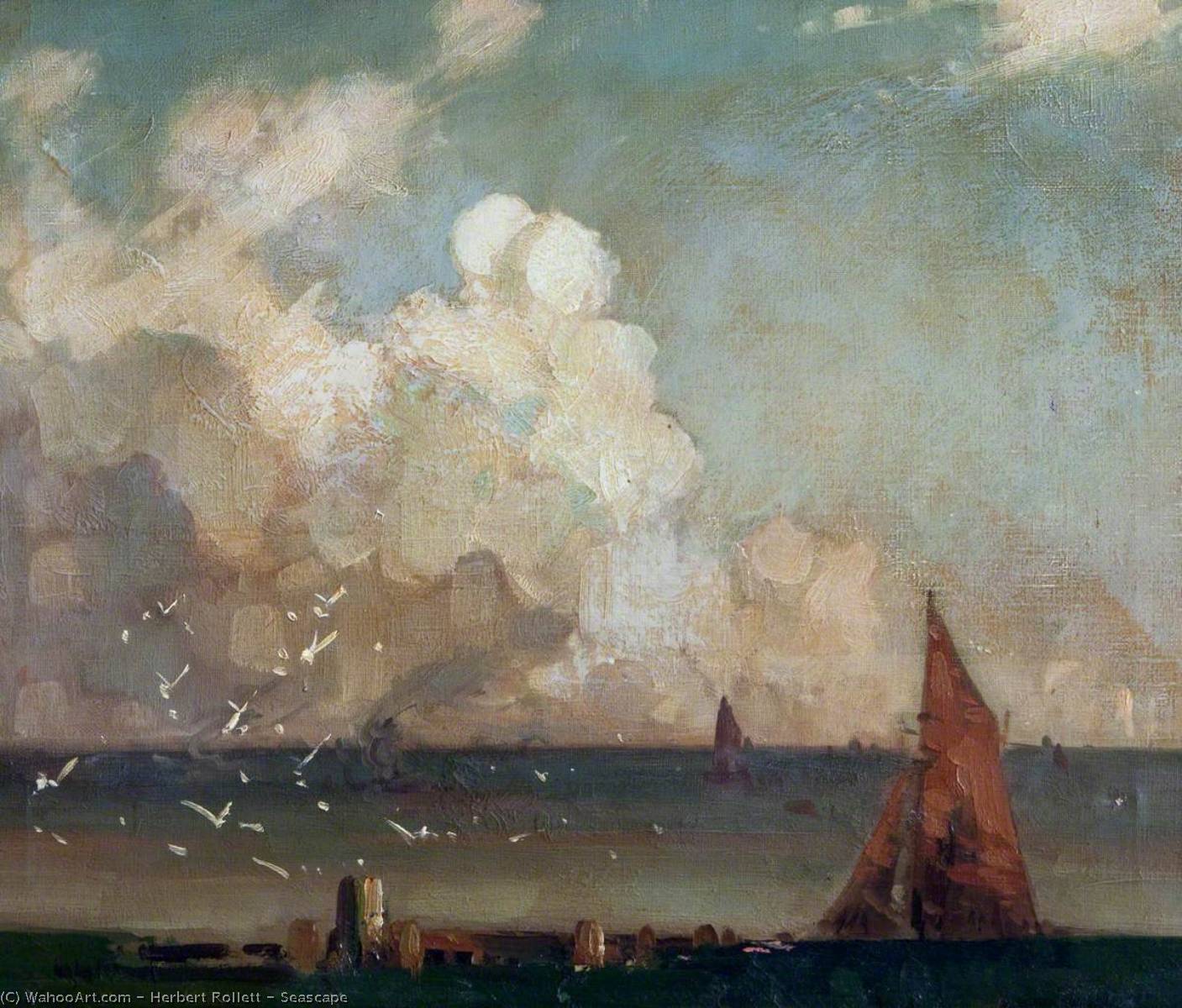
Z všetkých originálov, ktoré Herbert Rollett zanechal, je najznámejší Seascape. Hneď za ním nasledujú Time to Go (1920) a Lincolnshire Scene (1920). Náš katalóg obsahuje 16 diel od Herbert Rollett; galéria si zachovala tých 16, ktoré obdivuje celý svet, pričom každý z nich je prezentovaný spolu s jeho dátumom, múzeou a príbehom.


3 múzeá, v ktorých sa nachádza najviac obrazov z tejto stránky.
| Múzeá | Mesto | Diela umelca Herbert Rollett | Obrazy z tohto zoznamu |
|---|---|---|---|
 Usher Gallery |
Lincoln | 7 | Landscape (verso), Landscape (verso), Sheep |
 Fishing Heritage Centre |
Grimsby | 5 | Lincolnshire Scene, Landscape with a Large Cloud, Victoria Mill and Alexandra Dock, Grimsby, Lincolnshire |
 Ferens Art Gallery |
Hull | 2 | Time to Go, North Lincolnshire Landscape |
Dátované diela umelca Herbert Rollett v tomto výberu pokrývajú len 5 rokov, od 1920 do 1924: krátka kariéra, zobrazená tu rok po roku.
Vyberte si rok a pozrite si originály.
Seascape. Nasledujú Time to Go (1920) a Lincolnshire Scene (1920).
Seascape, Time to Go, Lincolnshire Scene, North Lincolnshire Landscape, Landscape with a Large Cloud, Lincolnshire Seascape, Victoria Mill and Alexandra Dock, Grimsby, Lincolnshire, Landscape (verso), Landscape (verso) a Sheep. Vyššie uvedené hodnotenie uvádza rok a múzeu pre každé z nich.
Náš katalóg obsahuje 16 diel od umelca Herbert Rollett z perioda od 1920 do 1924.
Väčšinou v Usher Gallery (Lincoln), Fishing Heritage Centre (Grimsby) a Ferens Art Gallery (Hull). Tabuľka múzeí vyššie ich všetky uvádza.
V období 1920: 2 z 16 diel na tejto stránke bolo vytvorených vtedy, pričom Time to Go z nich.
Na tejto stránke je najstaršie dielo z Time to Go (1920) a najnovšie z North Lincolnshire Landscape (1924).
Landscape (verso), Landscape (verso) a Sheep: múzeá Usher Gallery, Lincoln uchovávajú 7 z diel na tejto stránke.
The story of Herbert Rollett is a remarkable one, a testament to the unexpected paths life can take and the enduring power of passion. Born in Gainsborough, Lincolnshire, in 1872, Rollett’s early life seemed destined for a predictable trajectory – a career in business, much like his father, a farmer. However, fate intervened, leading him down an extraordinary route: from running a successful grocery shop to becoming one of the most celebrated landscape artists of his era, all while maintaining his livelihood as a grocer.
Rollett’s artistic journey began almost accidentally. Initially, he sought refuge in music and photography, hobbies that provided a welcome escape from the demands of his trade. It wasn't until his late thirties, around 1920, that he truly embraced painting, driven by an innate desire to capture the beauty of the Lincolnshire countryside – a region he deeply loved and knew intimately. He taught himself, dedicating hours each morning before opening his shop to sketching and experimenting with watercolors. This early dedication was fueled by a profound connection to his surroundings; as he famously stated, “I have painted in Scotland and the Lake District but have always returned with a feeling of relief to the scene of my old labour,” recognizing that Lincolnshire offered unique atmospheric qualities – expansive skies and a lack of dramatic hills that allowed for a heightened appreciation of light and color.
Rollett’s style was distinctly post-impressionist, characterized by bold brushstrokes, vibrant colors, and an emphasis on capturing the fleeting effects of light. He wasn't interested in photographic realism; instead, he sought to convey a sense of mood and atmosphere, translating his subjective experience of the landscape onto canvas. His paintings are often described as “luministic,” reflecting the way he skillfully rendered the interplay of sunlight and shadow, creating an almost ethereal quality. He frequently depicted familiar Lincolnshire scenes – rolling fields, quaint villages, and dramatic skies – but always with a distinctive artistic flair.
Influences on Rollett’s work are complex and somewhat debated. While he largely worked in isolation, his paintings bear traces of the Impressionists, particularly Monet and Pissarro, evident in their focus on capturing light and color. However, there's also a strong connection to the British Romantic tradition, with its emphasis on the sublime beauty of nature and the emotional response it evokes. The Kentish Yeomanry, a military unit that Rollett served in during World War I, undoubtedly shaped his perspective, instilling a deep appreciation for the ruggedness and resilience of the Lincolnshire landscape.
Despite his initial self-taught status, Rollett’s talent quickly gained recognition. His paintings were exhibited at prestigious venues throughout Britain, including the Royal Academy in London and the Royal Scottish Academy. In 1924, a pivotal moment arrived when ‘Killingholme Creek’ was accepted into the Paris Salon – a remarkable achievement for a largely unknown British artist. This success opened doors to further exhibitions and established Rollett as a significant figure in the British art scene.
His work continued to be exhibited throughout the 1920s and 30s, earning him both critical acclaim and commercial success. He was particularly celebrated for his depictions of Lincolnshire’s skies – vast, dramatic canvases filled with swirling clouds and shifting light. Sadly, Rollett's career was cut short by illness in 1932, but his legacy endures. His paintings are now housed in several prominent museums, including the Owletts Greenwch Herbert Art Gallery and Museum in Coventry, where they continue to captivate viewers with their beauty and evocative power.
It's important to remember that Rollett’s artistic pursuits were undertaken alongside his demanding business life. He ran three grocery shops throughout Grimsby, a town known for its bustling fishing industry. Balancing the responsibilities of shopkeeping with the dedication required for painting was an extraordinary feat – a testament to his discipline and unwavering passion. The image of “the grocer-artist” is a powerful one, challenging conventional notions of artistic identity and demonstrating that creativity can flourish in unexpected places.
Herbert Rollett’s story is more than just the biography of an artist; it's a poignant reflection on the pursuit of dreams, the beauty of everyday life, and the enduring power of art. His paintings offer a unique window into the Lincolnshire landscape and a glimpse into the soul of a man who dared to transform his humble profession into a remarkable artistic vocation. Today, his work continues to inspire and delight, reminding us that even the most ordinary lives can hold extraordinary beauty.


