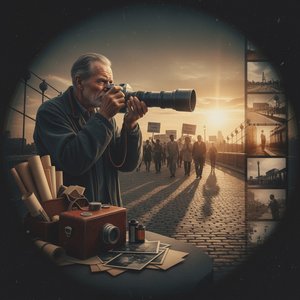
Franklin Theodore Bingaman: A Pittsburgh Pioneer of Early Photography
Franklin Theodore Bingaman (1922 – 2007) stands as a quietly influential figure in the annals of American photography, particularly within the context of Pittsburgh’s burgeoning artistic landscape during the early twentieth century. Born in Greencastle, Indiana, Bingaman's formative years instilled in him an appreciation for meticulous observation and technical precision—qualities that would define his lifelong dedication to capturing moments in time with remarkable fidelity.
His career began with service as a photographer for the Pittsburgh Sun-Telegraph and the Pittsburgh Photographic Library, roles which afforded him unparalleled access to documenting the vibrant pulse of urban life and preserving visual records of pivotal historical events. Bingaman wasn’t merely recording; he was crafting narratives through images—a skill honed by his deep understanding of composition and tonal manipulation. He possessed a keen eye for capturing not just what *was*, but also conveying an emotional resonance that transcended mere representation. This dedication to detail and storytelling distinguishes him from many contemporaries, establishing him as a true innovator in his field.
Bingaman's artistic vision found its most celebrated expression in portraits, notably his iconic depiction of Anna Howard Shaw, suffragist, alongside Mrs. J.O. Miller. This photograph encapsulates the spirit of the era—a determination to advance women’s rights coupled with a desire for dignified portrayal. Bingaman skillfully utilized lighting and framing techniques to convey Shaw's unwavering resolve and inner strength, reflecting the broader social movements shaping America at that time. Equally compelling is Bingaman’s image of Honus Wagner, baseball legend, taken in 1910. The photograph captures Wagner's gaze and posture with remarkable accuracy, conveying both strength and vulnerability – elements that speak to the broader themes of perseverance and identity prevalent during the period. He meticulously captured Wagner's expression, demonstrating a profound understanding of human psychology within his artistic endeavors.
Beyond his individual portraits, Bingaman contributed significantly to the preservation of Pittsburgh’s architectural heritage through extensive photographic documentation of buildings like Carnegie Institute with view of Stone Arch Bridge. His meticulous approach ensured these structures were faithfully recorded for posterity. He recognized the importance of visual records in documenting cultural landmarks and furthering historical scholarship.
Bingaman's influence extends beyond his own work; he fostered a tradition of thoughtful observation and artistic excellence within Pittsburgh’s photographic community, leaving an indelible mark on American art history. His legacy serves as a reminder that true artistry lies not only in technical skill but also in conveying emotion and capturing the essence of human experience—qualities that continue to resonate with photographers today.
Explore photography's pivotal role in shaping modern & contemporary art. Discover key movements, influential artists like Stieglitz, and expert collecting advice from OriginalUniqueArt.
Explore the rich history & artistic power of black and white photography. From early techniques to iconic masters like Ansel Adams, discover why monochrome continues to captivate art lovers today. Expert insights for collectors.
Explore the powerful history of documentary photography – from its origins to contemporary masters like Gordon Parks & W. Eugene Smith. Discover how this art form shapes our understanding of society and witness pivotal moments in time.