Život vykreslený v morálnom a historickom svetle
Ford Madox Brown, narodený 16. apríla 1821 v Calais vo Francúzsku, bol postavou, ktorá neustále kráčala prúdmi umeleckých zmien počas viktorskej éry. Jeho rané roky boli premenlivé, diktované snahou jeho rodičov nájsť si dostupnejšie bývanie – neustály pohyb medzi francúzskym pobrežím a príbuznými v Kent. Toto nomadické detstvo, hoci obmedzovalo jeho formálne vzdelanie, v нём vyľahlo bystré oko a rastúci talent na kopírovanie rytoin starých majstrov, čo položilo základy jeho budúcej umeleckej dráhy. Semená Brownovho jedinečného štýlu neboli zasadené v veľkolepých akadémach, ale v tichej praxi kopírovania, pri ktorej vstrebával techniky a kompozície minulých majstrov. Pôvodné otcove ambície o námorníckej kariére pre mladého Forda boli nakoniec potlačené neodolateľným príťažlivým silom umenia, čo ho priviedlo k štúdiám v Brugách, Gente a Antverpách pod vedením významných umelcov ako Albert Gregorius a Pieter van Hanselaere. Tieto formujúce roky mu vdechnuli prísny technický základ, no Brown si čoskoro vypracoval vlastnú cestu, odchýlenú od konvenčných umeleckých noriem. Raná strata členov rodiny – jeho matky v roku 1839, po ktorej nasledovali sestra a otec v nasledujúcich rokoch – vrhla tieň na jeho osobný život, čo možno prispelo k často smútnej a zamyslenej kvalite nachádzanej vo jeho díle.Prerafaelitelská afinitita a umelecká inovácia
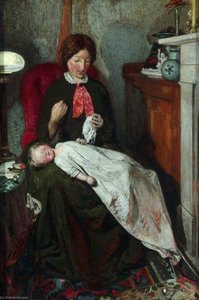
Hoci nikdy nebol formálnym členom Prerafaelitárskeho spolku, Ford Madox Brown vyviedol významný vplyv na jeho vývoj a zdieľal mnohé z jeho kľúčových zásad. Bol poradcom a priateľom zakladajúcich členov skupiny – Rossettiego, Millaisa a Huntov – a jeho oddanososť pravdivosti v zobrazení, dôslednému detailu a živým farbám hlboko rezonovala s ich umeleckými filozofiami. Brownov štýl však обладаł odlišným charakterom, ktorý ho od others odlíšoval. Zatiaľ čo prerafaelitovia sa často sústreďovali na romantizované príbehy alebo literárne témy, Brown sa častejšie obracal k súčasnému životu a morálnym témam, pričom do svojich obrazov vkladal sociálne vedomie, ktoré sa v viktorčanskom umení len zriedka objavovalo. Práca, začatá v roku 1852 a trvejúco dokončovaná viac ako trinásť rokov, predstavuje možno jeho najambiciótniejšie a ikonické dielo. Toto rozľahlé plátno nie je len zobrazením robotníkov; je to hlboký komentár k sociálnym podmienkam pracujúcej triedy, ktorý zachytáva ich námahu, dôstojnosť a zraniteľnosť s neúprosným realizmom. Grafická kvalita obrazu, často opisovaná ako Hogarthovská v svojej naratívnej detailnosti, ešte viac odlišuje Brownov prístup. Jeho snaha zobrazovať moderný život presahovala za Prácu a prejavovala sa aj v iných významných díloch, ktoré skúmali témy chudoby, viery a ľudskej kondície. Poslední z Anglicie, napríklad, zachytáva dojmový moment emigrácie, ktorý odráža úzkosti o národnej identite počas obdobia sociálnych nepokoja.Fresky, majstrovské diela a trvalé oddedičenie
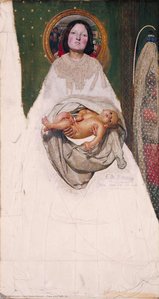
> Okrem svojich obrazov na priebiníkov je umelecký odkaz Forda Madoxa Browna neoddeliteľne spojený s Manchesterskými freskami. Týchto dvanásť monumentálnych diel, objednaných pre radnicu v Manchestri, kronikuje históriu mesta, od jeho rímskych koreňov až po jeho priemyselnú súčasnosť. Fresky sú dôkazom Brownovej zručnosti ako príbehového malára a jeho schopnosti syntetizovať historický výskum s umeleckou víziou. Predstavujú jedny z najlepších príkladov prerafaelitelského freskového malbasva, prezentujúc živé farby, dôsledný detail a pútavý pocit dramatičnosti. Tieto práce neboli bez výziev; Brown čelil finančným ťažkostiam a logistickým prekážkam počas ich vytvárania, no vytrval a zanechal trvajúci pomník manchesterskej histórii a umeleckej inovácie. Jeho vplyv presahoval jeho najbližšie okolie a inšpiroval umelcov ako Thomas Benjamin Kennington, ktorého dielo Chvíľa chudoby odznievajú sociálny realizmus nájdený v Brownových maľbách. Jeho oddanosť zachytávaniu podstaty moderného života je zjavná aj v díloch ako Štúdia pre hlavu Chaucerov, dojmový portrét prezentujúci realistický detail a melancholickú náladu.Osobný život a trvajúci vplyv
Osobný život Forda Madoxa Browna bol poznačený både radosťou aj smútkom. Bol ženatý dvoma معاشami – najprv s Elizabeth Bromley v roku 1841, ktorá tragicky zomrela o pięť rokov neskôr, a potom s Emily Hill v roku 1853. Mal päť detí, vrátane Lucy Madox Brown, ktorá bola sama talentovanou umelkyňou, a Catherine Madox Brown, ktorá sa tiež vydala po kreatívnej ceste. Tieto rodinné väzy jeho život ešte viac obohatili a poskytli inšpiráciu pre niektoré z jeho prác. Napriek finančným problémom počas väčšiny svojej kariéry zostal Brown svojmu umeniu oddaný, neustále experimentoval s novými technikami a skúmal náročné témy. Jeho záväzok k umeleckej integrite a sociálnemu komentáru upevnil jeho miesto ako pioniera prerafaelitického hnutia a významnej postavy britského umenia 19. storočia. Zomrel 6. októbra 1893, pričom za sebou zanechal tvorbu, ktorá stojí ako svedectvo jeho umeleckej vízie a neot摇šejnej oddanosti pravde a kráse.Spoznávanie sveta Forda Madoxa Browna dnes
Početné zdroje ponúkajú príležitosti k hlbšiemu ponorenie sa do sveta Forda Madoxa Browna. Jeho diela možno nájsť v významných zbierkach, ako je Manchester Art Gallery a Lady Lever Art Gallery, čo návštevníkom umožňuje zažiť jeho majstrovské diela na vlastné oči. Online platformy poskytujú vysokokvalitné ručne maľované reprodukcie, ktoré umožňujú milovníkom umenia priniesť jeho víziu do svojich domovov. Ďalší výskum možno viesť prostredníctvom zdrojov ako Wikipedia a Britannica, ktoré ponúkajú komplexné biografické informácie a kritické analýzy jeho práce.Otázky a odpovede
Kde nájdem diela umelca Ford Madox Brown zoradené podľa techniky?
Diela umelca Ford Madox Brown si môžete prehliadnuť podľa použitého média na stránke Všetky médiá pre Ford Madox Brown.
Aké iné mená alebo pseudonimy používa Ford Madox Brown?
Ford Madox Brown je známy aj pod menom FMBrown.
V akom meste a v ktorej krajine sa narodil/a Ford Madox Brown?
Ford Madox Brown sa narodil v meste Calais v krajine Francúzsko.