


1


Aktualizované november 2026 · zoradené podľa našej miery popularity (vyhľadávanie, návštevy a objednávky pre každou prácu) · 67 dielov umelca Floris Van Schooten v našom katalógu
Stručne povedané
Kitchen Scene (1622) je obrazom umelca Floris Van Schooten, ktorý priťahuje najviac pohľadov; originál sa nachádza v múzeu Statens Museum For Kunst, Kodaň. Potom sa pohľad presunie na Christ and the woman of Samaria at the well (1620) a A woman and a boy in a kitchen (1620). Z 67 diel umelca Floris Van Schooten v našom katalógu je týchto 67 najznámejších; každá z nich je jedinečným originálom prezentovaným s jeho rokom vzniku, múzeom a dôvodom, prečo pretrváva.
 A kitchen interior with fish and utensils on a table1650
12
 A kitchen still life with a maid cleaning fish at a table and a boy holding an apple1650
13
 Laid Table1617
14Breakfast1615 · Kröller-Müller Museum
15
 Still life with cheese, herring, bread and wine1620 · National Gallery
16
 Kitchen Scene1620 · Rheinisches Landesmuseum
17
 Kitchen Utensils, Meat and Vegetables1610
18
 Still life of laid table with cheese1635 · Bavarské štátne múzeá výtvarného umenia
19
 Still Life with Cheese, Candlestick and Tobacco1630
20
 Still Life with smoked herring, oysters and smoker's gear1625 · Frans Hals Museum
21
 Still life with Jan Steen pitcher, salt cellar, and cheese on a laid table1629 · Het Prinsenhof
22
 Still life with grilled rib, cheese, apples and bread1630 · Het Prinsenhof
23
 Fruit Basket1634 · Statens Museum For Kunst
24
 Still life with pie on a laid table1633 · Muzeum Palacu Króla Jana III w Wilanowie
25
 Still life of food on a table1635
26
 Still life with a Jan Steen pitcher on a laid table1625
27
 Still life of fruit, butter and cheese1630
28
 Still life of fruit with bread, butter and a silver cup1625 · Gebruder Douwes
29
 Fruit still life1645 · Kröller-Müller Museum
30
 Still life with fruit, bread and a silver chalice1642
31
 Still life of butter, cheese, bread, shrimp and biscuits1642
32
 Still life with cut of meat, butter, chestnuts, glassware and bread on a table1639
33
 Stillife with dead birds1637
34
 Copper kettles and other objects on a tabletop1650
35
 Still-life with Ham1650
36
 Still life with bread, cheese, prawns and crabs1656 · Groninger Museum
37
 Breakfast with roast meat, bread, olives and chestnuts1650
38
 Still life of a laid table with cheese1650
39
 Still life of a laid table with cheese1650
40
 Still life of fruit and ham on a laid table1650
41
 Still life of fruit in a stone niche1650
42
 Still life with cheese, chalice and spoon1650 · The National Museum in Poznań
43
 Still life with bread, meat and olives1650 · Herzog Anton Ulrich Museum
44
 Still life with fruits in Delft porcelain1650
45
 Still life with fruit1650 · Museum Voor Moderne Kunst
46
 Still life with ham and fish with unplucked poultry.1650 · Museum of John Paul II Collection
47
 Still-life with Bread, Cheese and a cut Pie1650 · Koetser Gallery
48
 Still life of apples and grapes1650
49
 Still life of pie, cheese, bread and olives on a laid table1650 · Gallery van Diemen
50
 Still life of a laid table with cheese, meat and bread1650 · Hamburger Kunsthalle
51
 Laid table with cheese, bread, fruit and a roemer1650
52
 Still life with a ham on a laid table1650
53
 Fruit still life with silver beaker1650 · Francisque Mandet Museum
54
 Kitchen Interior1655
55
 BreakfastKráľovské múzeum výtvarných umení Antverpy
56
 Kitchen piece with woman cleaning a fish
57
 Kitchen Still Life
58
 Fruit Stall1630 · Zamek Królewski w Warszawie
59
 Breakfast Still Life with CheeseVon der Heydt Museum
60
 Still life of assorted fruit with two blue-and-white porcelain bowls
61
 Still life of fruit served in kraak porcelain
62
 Still life with berriesKráľovské múzeá krásnych umení Belgicka
63
 Still life with copper pans, utensils and plums on a stone ledgeKoetser Gallery
64
 Still life with cut of beef, chalice and breadMuseum Kunstpalast
65
 Strawberries in a silver dish, cherries and white currents in a wanli bowl, with a bread roll and silver cup
66
 Still-life Of Fruit
67
 a Kitchen Still Life with pots and pans on a stone ledge and animated figures in the background
Štyri témy, ktoré sa v týchto origináloch najčastejšie vracajú, každá s jej najvychybenejším príkladom.
8 múzeá, v ktorých sa nachádza najviac obrazov z tejto stránky.
| Múzeá | Mesto | Diela umelca Floris Van Schooten | Obrazy z tohto zoznamu |
|---|---|---|---|
 Statens Museum For Kunst |
Kodaň | 4 | Kitchen Scene, Women and Children by a Fruit Seller, Stall with Fruit and Vegetables |
 Frans Hals Museum |
Haarlem | 2 | Kitchen scene, Still Life with smoked herring, oysters and smoker's gear |
 Kröller-Müller Museum |
Otterlo | 2 | Breakfast, Fruit still life |
 Het Prinsenhof |
Delft | 2 | Still life with Jan Steen pitcher, salt cellar, and cheese on a laid table, Still life with grilled rib, cheese, apples and bread |
| Koetser Gallery | 2 | Still-life with Bread, Cheese and a cut Pie, Still life with copper pans, utensils and plums on a stone ledge | |
 Národné múzeum vo Varšave |
Varšava | 1 | Kitchen interior with a female cook. |
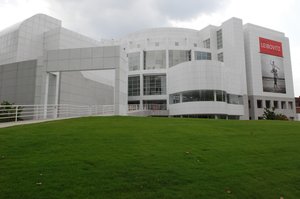 High Museum of Art |
Atlanta | 1 | Kitchen still life with two children |
 Gemäldegalerie Alte Meister |
Dresno | 1 | Young woman peeling a pear at a table with various fruits, an old man with a money bag adressing her |
Vyberte si dekádu a pozrite si originál, ktorý ju definuje.


Kitchen Scene (1622), Statens Museum For Kunst, Kodaň. Nasledujú Christ and the woman of Samaria at the well (1620) a A woman and a boy in a kitchen (1620).
42 rokov: Kitchen Scene vzniklo v roku 1622 a Floris Van Schooten sa narodil/a v roku 1580.
Kitchen Scene, Christ and the woman of Samaria at the well, A woman and a boy in a kitchen, Larder Still Life with Cheese, Kitchen interior with a female cook., Women and Children by a Fruit Seller, Stall with Fruit and Vegetables, Kitchen scene, Kitchen still life with two children a Young woman peeling a pear at a table with various fruits, an old man with a money bag adressing her. Vyššie uvedené hodnotenie uvádza rok a múzeu pre každé z nich.
Náš katalóg obsahuje 67 diel od umelca Floris Van Schooten z perioda od 1610 do 1656.
Väčšinou v Statens Museum For Kunst (Kodaň), Frans Hals Museum (Haarlem) a Kröller-Müller Museum (Otterlo). Tabuľka múzeí vyššie ich všetky uvádza.
V období 1650s: 23 z 67 diel na tejto stránke bolo vytvorených vtedy, pričom A kitchen interior with fish and utensils on a table z nich.
Na tejto stránke je najstaršie dielo z Kitchen Utensils, Meat and Vegetables (1610) a najnovšie z Still life with bread, cheese, prawns and crabs (1656).
Fruits (2) a Life (2), v rámci 67 diel na tejto stránke.
Kitchen Scene, Women and Children by a Fruit Seller a Stall with Fruit and Vegetables: múzeá Statens Museum For Kunst, Kodaň uchovávajú 4 z diel na tejto stránke.
Floris Gerritsz van Schooten (c. 1585 – November 14, 1656) stands as a pivotal figure in the development of still life painting within the Dutch Golden Age. Often operating behind the scenes of more flamboyant contemporaries, he quietly yet profoundly shaped the genre, reflecting its evolution and absorbing the innovations of Haarlem’s vibrant artistic community. His legacy lies not in revolutionary techniques but in his meticulous observation, skillful rendering, and a deep understanding of how to capture the essence of everyday objects – from humble breakfast spreads to elaborate kitchen scenes – imbued with a subtle sense of vanitas.
Born into a prosperous Catholic family who had migrated from Amsterdam to Haarlem seeking greater religious tolerance in 1612, Floris’s early life was steeped in the traditions of his lineage. His father, Gerrit Jacobsz van Schooten, was a member of this influential family, and his marriage to Rycklant Bol van Zanen, daughter of a prominent beer brewer, provided him with both social standing and a connection to Haarlem's economic heart. This background subtly influenced his subject matter – frequently depicting the bounty of the table, reflecting the wealth and prosperity of the era.
Van Schooten’s artistic journey began within the walls of the St. Luke’s Guild in Haarlem, a crucial institution for training and regulating artists. He quickly ascended through its ranks, eventually becoming Dean in 1639, demonstrating his respect and expertise within the local art world. His career spanned several decades, during which he produced an impressive oeuvre estimated to be around 120 works – a testament to his consistent output and dedication. Remarkably, only one fully signed painting is known: a breakfast still life now housed in the Von der Heydt Museum of Wuppertal, Germany, offering a rare glimpse into the artist’s own intentions.
Van Schooten's artistic development was inextricably linked to the thriving still-life scene of Haarlem. He absorbed the techniques and sensibilities of his contemporaries, particularly the masterful works of Floris van Dyck, Pieter Claesz., and Roelof Koets – all prominent figures within the guild. These artists served as significant influences, shaping his approach to composition, color palettes, and the depiction of textures. Notably, he mirrored the innovations occurring in Haarlem’s still life community, demonstrating a keen awareness of contemporary trends.
His work also reveals an appreciation for earlier masters like Pieter Aertsen and Joachim Beuckelaer, whose large-scale market scenes had established conventions that Van Schooten skillfully adapted. He simplified the complex arrangements of these predecessors, creating a greater sense of order and stability within his compositions. This careful assimilation of influences is a hallmark of his style – he wasn’t an innovator himself, but rather a diligent recorder and interpreter of artistic developments.
Van Schooten's oeuvre is characterized by its diverse range of still life subjects. He excelled in depicting breakfast pieces, showcasing the sumptuousness of morning meals with carefully arranged ham, cheese, bread, and fruit. Equally adept was he at capturing kitchen scenes – elaborate displays of culinary provisions, reflecting the domestic rhythms of 17th-century Dutch households. Market scenes also featured prominently, offering glimpses into the bustling commerce of Haarlem’s streets.
Recurring motifs punctuated his work, most notably the pairing of ham and cheese. These seemingly simple combinations became a signature element, imbued with symbolic weight – representing abundance, prosperity, and perhaps even mortality (a common theme in vanitas paintings). His meticulous attention to detail—the sheen of polished silver, the texture of ripe fruit, the folds of linen—elevated these everyday objects into captivating works of art.
Despite his relatively modest profile, Floris van Schooten played a crucial role in documenting the evolution of still life painting during the Dutch Golden Age. His works provide invaluable insights into the artistic practices and aesthetic sensibilities of Haarlem’s guild system. Abraham Bredius, a prominent Dutch art historian, recognized the significance of the monogram “F.v.S” or “FVS” as identifying the artist, solidifying his place within the historical record.
His oeuvre serves as a testament to the dynamic artistic landscape of 17th-century Netherlands – a reflection of both established traditions and emerging trends. Through his skillful rendering of everyday objects, Van Schooten offered viewers a poignant meditation on wealth, mortality, and the beauty found in the ordinary.


