A Life Immersed in Colour and Pattern
Anne Redpath, a name synonymous with vibrant Scottish
still life painting, was an artist who translated the everyday into realms of striking colour and
intricate design. Born in 1895 in Galashiels, Scotland, her artistic journey wasn’t one of immediate, uninterrupted pursuit, but rather a blossoming that unfolded amidst
family life and a deep-seated appreciation for the visual world inherited from her father, a tweed designer in the Scottish Borders. This early influence proved foundational; Redpath herself often remarked on the parallels between his masterful combinations of colour within woven textiles and her own approach to painting – a deliberate orchestration of hues, where “a spot of red or yellow in a harmony of grey” could ignite an entire composition. Her childhood move to Hawick further cemented this connection to the landscape and textures that would later permeate her work. Formal training at Edinburgh College of Art from 1913 under instructors like
Robert Burns,
Henry Lintott, and D. M. Sutherland provided Redpath with a solid technical foundation, but it was a scholarship in 1919 that truly broadened her horizons.
European Influences and Artistic Development
The opportunity to travel extensively across Europe – visiting Bruges, Paris, Florence, and Siena – proved transformative. These journeys weren’t merely sightseeing trips; they were immersive studies of artistic tradition. In Italy, particularly, Redpath was captivated by the rich Catholic imagery and the distinctive compositional approaches of medieval Sienese painters. This influence manifested in her later work through tilted tabletops and a prioritization of design over strict perspective – a deliberate flattening of space that allowed for greater emphasis on pattern and colour relationships. Marriage to architect
James Michie in 1920 led to a period living in France, where they raised three sons, including artists Alastair and
David Michie. While family commitments understandably limited her painting output during these years, Redpath continued to exhibit, demonstrating an unwavering commitment to her art. The return to Scotland in 1934, specifically to Hawick, marked a turning point – a renewed focus on artistic expression that would soon define her signature style.
A Distinctive Style and the Edinburgh School
Redpath’s mature work is instantly recognizable for its bold use of colour, flattened perspectives, and masterful incorporation of textiles. Printed tablecloths, patterned scarves, and richly textured rugs weren't merely background elements; they *were* integral components of her compositions, contributing to a complex interplay of patterns within the canvas.
The Indian Rug, also known as
Red Shoes, stands as a prime example – a vibrant explosion of colour and texture that exemplifies her unique approach. Her style wasn’t developed in isolation; she was deeply influenced by modern masters like
Henri Matisse, particularly his flat-surfaced arrangements and liberated use of colour. This influence is evident in the joyous energy and decorative quality of her paintings. Redpath became a key figure within the “Edinburgh School” of painters – a group known for their
expressive brushwork, vibrant palettes, and focus on
still life, landscapes, and portraits. This association solidified her position within the
Scottish art scene and fostered a sense of shared artistic exploration.
Recognition and Lasting Legacy
Throughout her career, Anne Redpath received significant recognition for her contributions to art. She became an Associate of the Royal Scottish Academy in 1947, breaking barriers as the first woman painter to be elected an Academician in 1952 – a landmark achievement that paved the way for future generations of female artists. In 1955, she was awarded the Order of the British Empire (OBE), acknowledging her artistic merit and her dedicated service on the Board of Management of Edinburgh College of Art. Her self-portrait, created in 1943, is a compelling testament to her artistic vision and remains part of a significant collection curated by Ruth Borchard. Anne Redpath’s legacy extends far beyond these accolades. She possessed an extraordinary ability to transform ordinary domestic objects into captivating compositions brimming with life and colour. Her work stands as a celebration of everyday beauty, a testament to the power of observation, and a lasting contribution to 20th-century
Scottish art. She didn't just paint what she saw; she revealed the hidden poetry within the commonplace, inviting viewers to see the world anew through her uniquely vibrant lens.


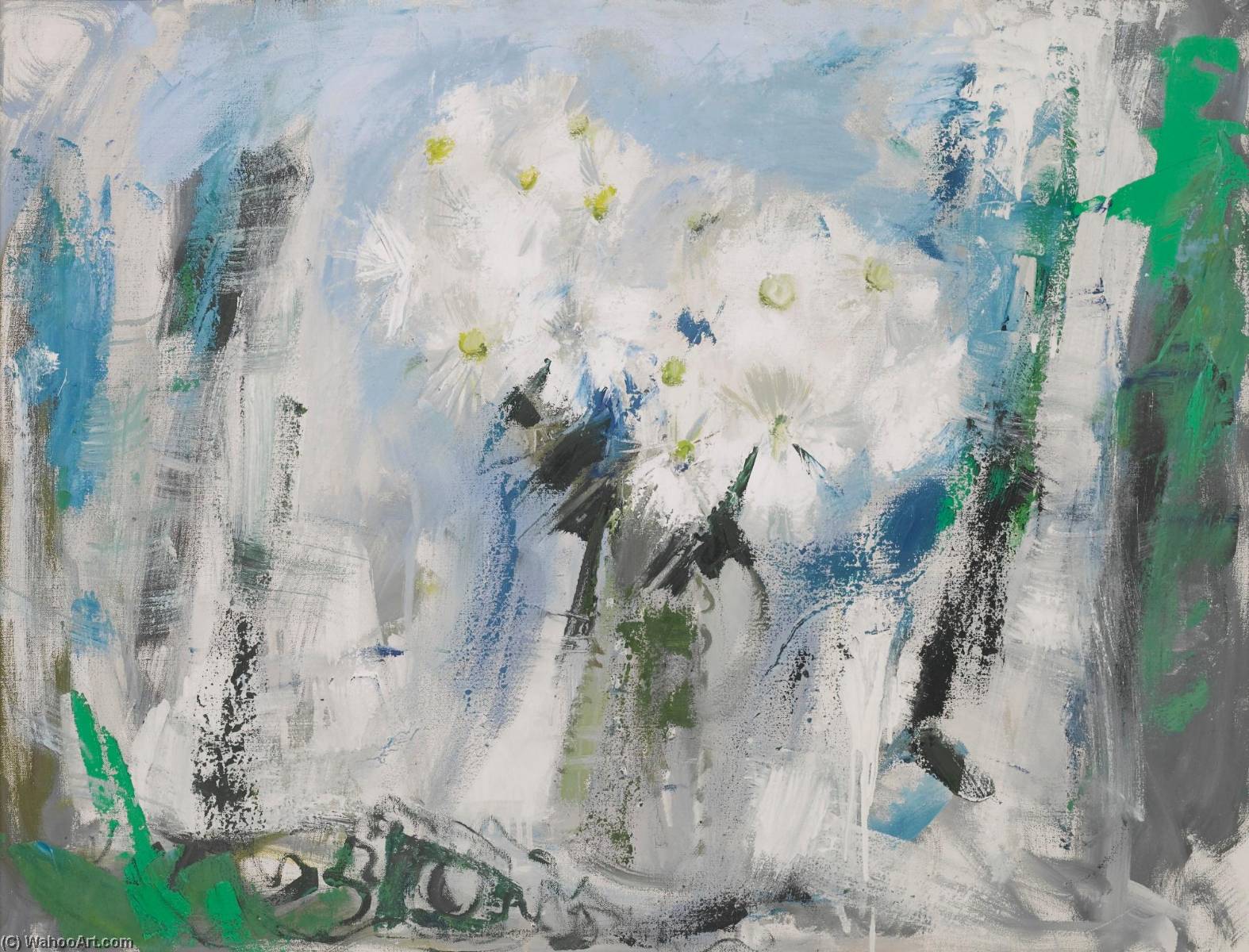


 National Gallery of Art