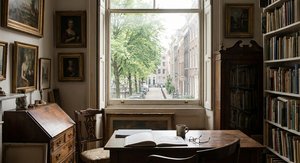
The Sanctity of the Interior: An Introduction to Genre Painting
To step into a masterwork of genre painting is to cross a threshold between the public spectacle of history and the profound, quiet truths of the private sphere. While grand historical canvases often seek to immortalize kings and conquests, genre painting finds its soul in the ephemeral moments that define our humanity: the soft light falling across a breakfast table, the shared glance between lovers, or the solitary contemplation of a reader. These works do not merely depict scenes; they capture the very atmosphere of existence. They invite the viewer into a sacred intimacy, transforming the domestic space from a mere setting into a character of its own. In these compositions, the mundane is elevated to the monumental, reminding us that the most profound narratives are often written in the quietest corners of our lives.
The power of this tradition lies in its ability to evoke empathy through meticulous observation. By focusing on the domestic, artists tap into a universal language of comfort, tension, and peace. This art form serves as a mirror to the human condition, reflecting our deepest vulnerabilities and our most serene triumphs within the safety of the home. As we explore these masterpieces, we do not merely observe history; we inhabit it, finding ourselves reflected in the timeless textures of light, shadow, and domestic grace.
Melodies of the Dutch Golden Age: Intimacy and Realism in Ter Borch
During the Dutch Golden Age, the concept of the home underwent a profound artistic transformation. No longer was art solely the province of the church or the aristocracy; instead, a burgeoning merchant class sought reflections of their own refined lives. Gerard ter Borch emerged as a virtuoso of this era, possessing an unparalleled ability to render the psychological depth found within domestic stillness. In works such as Le Duo: Chanteuse et Jouren de Luth Theorbe, we witness the pinnacle of Dutch realism. The painting is not merely a study of musicians; it is a masterclass in the interplay of sound and silence. Through his meticulous application of oil, Ter Borch captures the tactile reality of silk, the luster of polished wood, and the delicate tension of a shared musical moment.
The brilliance of Ter Borch lies in his restraint. He does not rely on dramatic gestures but rather on the subtle nuances of expression and the precise rendering of light to convey emotion. The lutenist and the singer are suspended in a state of tranquil focus, their connection forged through melody. This level of detail—the way light catches the edge of a sleeve or the soft shadow beneath a chin—creates an immersive experience that pulls the viewer into the room. It is this profound realism that allows the Dutch masters to bridge the gap between centuries, making the seventeenth-tury interior feel as immediate and breathing as our own.
Post-Impressionist Solitude: The Quietude of Vuillard’s Domestic Spheres
As we move forward through the corridors of art history, the domestic scene undergoes a stylistic metamorphosis. The clarity of the Dutch masters gives way to the textured, atmospheric explorations of the Post-Impressionists. Jean-Edouard Vuillard, a central figure in this movement, reimagined the home not as a collection of distinct objects, but as an enveloping tapestry of color and pattern. In Madame Vuillard Reading the Newspaper, we see the domestic interior transformed into a psychological landscape. Here, the boundaries between the subject and her environment begin to blur, as if the very walls and fabrics are imbued with the quiet energy of her contemplation.
Vuillard’s technique involves a sophisticated layering of color and pattern, creating a sense of "intimisme" that is both comforting and enigmatic. The room is not merely a container for the subject; it is an extension of her internal state. Through broken brushstrokes and a rich, muted palette, he captures the essence of domestic tranquility—a stillness that is far from empty. This approach invites us to look beyond the surface of the scene to find the emotional resonance within the textures. In Vuibillard’s world, the act of reading or resting becomes a profound ritual, celebrated through the rhythmic dance of light and pigment.
Neo-Classical Serenity: Capturing Tenderness and Connection in 19th-Century Art
The nineteenth century brought with it a renewed interest in the clarity and grace of classical ideals, often applied to the most tender of human connections. This era saw artists looking back to Neo-Classical principles to find a way to depict the purity of affection and the innocence of childhood. Pierre Coomans, in works such as Her Favorite Pet, exemplifies this pursuit of serene beauty. The painting serves as a testament to the quiet bonds that exist between humans and the natural world within the domestic sanctuary. There is a deliberate, almost sculptural quality to the figures, rendered with a smoothness that evokes a sense of eternal calm.
In these compositions, the focus remains steadfastly on the emotional weight of intimacy. The presence of a pet or a child introduces an element of vulnerability and sweetness, grounding the classical grandeur in relatable, heartfelt emotion. The light is often soft and diffused, washing over the scene to create a dreamlike quality that elevates the subject matter. By blending the formal rigor of Neo-Classicism with the tender subject matter of domestic life, these artists created works that resonate with a sense of timelessness, reminding us that the most enduring legacies are those built on love and companionship.
The Curated Home: Integrating Historical Masterpieces into Modern Living
In the contemporary era, the challenge for the modern collector is to integrate these profound historical narratives into a living, breathing space. A home decorated with classical reproductions is not merely a display of wealth, but an intentional curation of atmosphere. To bring a piece like a Ter Borch or a Vuillard into a modern interior requires an understanding of balance and dialogue. The goal is to create a tension between the old and the new—where the heavy, textured presence of an oil painting can anchor a minimalist room, providing a sense of historical weight and soul to a contemporary setting.
Integrating such works involves considering the architectural rhythm of your space. A large-scale landscape or a multi-panel group set can serve as a focal point for a grand hallway or a staircase, guiding the eye through the home with a sense of movement. When selecting art, one must consider the interplay of color and light; a painting with deep, tonal ranges can add warmth to a bright, airy room, while a lighter, Impressionistic piece can breathe life into more shadowed corners. The modern home becomes a gallery of personal history, where every chosen masterpiece tells a story of aesthetic values and emotional connections.
Preserving the Legacy: Bringing Timeless Artistry into the Contemporary Estate
Ultimately, the pursuit of fine art is an act of preservation—not just of the canvas itself, but of the human spirit that created it. As we navigate a digital age often characterized by the ephemeral and the mass-produced, the presence of a hand-painted oil reproduction offers a much-needed connection to the tactile and the permanent. At OriginalUniqueArt.com, our mission has always been to bridge this gap, making the grandeur of the Old Masters accessible to a global audience. We believe that every home deserves the profound depth offered by authentic textures, visible brushstrokes, and the enduring quality of oil on canvas.
Whether it is through a custom commission that transforms a personal memory into a Renaissance-style portrait or the careful reproduction of a Dutch masterpiece, we strive to maintain the academic excellence of the masters. Our artists, trained in prestigious academies, ensure that every stroke honors the tradition of the genre. By bringing these works into our contemporary estates, we do more than decorate; we participate in a continuous lineage of beauty, ensuring that the heart of the home remains forever connected to the timeless elegance of art history.