The Art of Place: Weaving Local Narratives into Hospitality Design
 THE HERBERT WADE HEMPHILL J.R. COLLECTION FOUNDER OF AMERICAN FOLK ART THE MAN WHO PRESERVES THE LONE AND FORGOTTEN. THE UNKNOWN COLLECTION
For centuries, the spaces we inhabit have served as canvases for cultural expression, reflecting not merely our aesthetic preferences but also our deepest values and aspirations. In the realm of hospitality, this principle takes on a particularly potent significance. A hotel is more than just a temporary shelter; it’s a curated environment designed to evoke emotion, foster connection, and create lasting memories. Increasingly, discerning travelers seek experiences that are authentic, meaningful, and deeply rooted in the local context. This shift demands a move beyond generic décor towards art collections that actively tell stories – narratives of place, history, and community. The most successful hotels understand this imperative, transforming their walls into windows onto the soul of their destination.
Consider the grand palazzi of Renaissance Florence, adorned with frescoes celebrating civic pride and humanist ideals. Or the opulent interiors of Victorian-era London clubs, showcasing portraits of esteemed members and landscapes evoking imperial power. These spaces weren’t simply decorated; they were deliberately constructed to project a specific identity – one that resonated with their patrons and reinforced their social standing. Today, the challenge lies in achieving this same level of intentionality while embracing a more inclusive and nuanced approach. It's about moving beyond superficial representations of local culture towards genuine engagement with artists, communities, and historical narratives.
The integration of local art isn’t merely an aesthetic choice; it’s a powerful statement of respect and collaboration. By showcasing the work of regional talents, hotels can support thriving artistic ecosystems and contribute to the economic vitality of their surroundings. This commitment resonates deeply with travelers who are increasingly conscious of ethical consumption and sustainable practices. Furthermore, incorporating site-specific commissions – artworks created in direct response to the architecture, landscape, or cultural history of the location – elevates the experience to a new level of authenticity. These unique pieces become integral parts of the space, fostering a sense of belonging and connection that transcends mere decoration.
Beyond Aesthetics: Defining Your Brand Identity Through Curated Collections
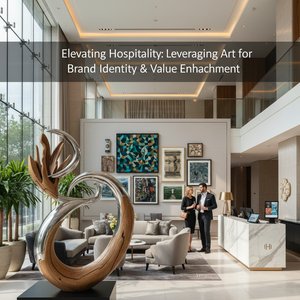 Elevating Hospitality: Leveraging Art for Brand Identity & Value Enhancement
Elevate your hotel's brand & guest experience with strategically curated art. offers bespoke solutions – from acquisition to installation – enhancing value and creating lasting impressions.
The selection of artwork is often perceived as a purely aesthetic endeavor, but in reality, it’s a profoundly strategic process. A well-curated collection serves as an extension of your brand identity – a visual manifestation of your core values, target audience, and overall mission. Before embarking on this journey, it's crucial to define these elements with clarity and precision. What story do you want to tell? Who are you trying to reach? And what emotional response do you hope to evoke?
Historically, brands have employed symbolism and imagery to communicate their identity – from the iconic logos of luxury fashion houses to the carefully crafted interiors of flagship stores. Art offers a more nuanced and sophisticated means of achieving this same goal. Consider the minimalist aesthetic favored by Scandinavian hotels, reflecting values of simplicity, functionality, and natural beauty. Or the vibrant colors and bold patterns found in boutique properties inspired by Latin American culture, evoking energy, passion, and artistic expression. The key is to create a cohesive collection that reinforces your brand message across all touchpoints – from the lobby and guest rooms to the restaurants and public spaces.
However, cohesion doesn’t necessarily equate to stylistic uniformity. A truly compelling collection often embraces diversity while maintaining thematic resonance. Shared concepts, color palettes, or historical periods can tie disparate pieces together, creating a dynamic and engaging visual narrative. The art should feel thoughtfully assembled, not randomly acquired – each piece contributing to the overall ambiance and emotional response. Furthermore, consider the flow of movement within the space; how can artwork guide visitors, create focal points, and enhance storytelling? A carefully curated collection transforms the hotel from a mere physical structure into an immersive experience that resonates with guests long after they depart.
Sourcing & Commissioning: Building Relationships with Artists and Galleries
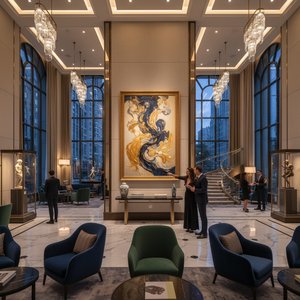 Elevating Interiors: A Curated Guide to Art Selection for Luxury Hospitality Spaces
Elevate your hotel's design with ’s expert art consultation & curated collections. Discover bespoke solutions, fine art reproductions & seamless integration for luxury hospitality spaces. Trusted by designers worldwide.
The acquisition of artwork is often perceived as a daunting task, but it doesn’t have to be. While established artists offer prestige and market value, incorporating works from emerging talents can inject freshness, originality, and a sense of discovery into your collection. Art fairs, gallery exhibitions, online platforms, and artist residencies are excellent avenues for scouting potential collaborators. However, simply identifying promising work isn’t enough; thorough due diligence is essential.
Evaluating artistic merit requires a discerning eye and a deep understanding of art history. Consider the artist's background, education, exhibition history, critical reception, and long-term trajectory. Assess their artistic statement – does it articulate a clear vision and demonstrate intellectual depth? Beyond technical skill, evaluate the originality of their concept and its potential to spark conversation. Building relationships with artists directly fosters authenticity and allows for bespoke commissions tailored to your specific needs. This collaborative process can result in unique pieces that perfectly capture your brand identity.
Engaging with reputable art consultants or galleries can streamline this process and mitigate potential risks. These professionals possess a wealth of knowledge, access to exclusive networks, and expertise in navigating the complexities of the art market. They can assist with provenance research, condition reports, insurance valuations, and artist agreements. Furthermore, they can provide valuable insights into emerging trends and help you identify artists whose work aligns with your curatorial vision. The goal is not simply to acquire beautiful pieces; it’s to build a collection that reflects your values, enhances your brand identity, and fosters lasting connections.
Logistics & Preservation: Protecting Your Investment from Acquisition to Display
Once you've identified the perfect artwork, the logistical aspects of acquisition, transportation, and installation become paramount. Delicate pieces require specialized packaging, climate control, and secure handling to prevent damage during transit. Insurance coverage is essential throughout the entire process, from acquisition to display. Installation itself demands careful planning – proper lighting, wall preparation, security measures, and adherence to conservation standards.
Consider hiring professional art handlers with experience in hospitality environments. These specialists possess the expertise and equipment necessary to safely transport and install artwork of any size or complexity. They can also advise on optimal placement, ensuring that each piece is showcased to its full potential. Budget management is also critical; factor in not only the cost of the artwork but also transportation, insurance, framing, installation, and ongoing maintenance.
Maintaining an art collection requires ongoing care and conservation. Regular inspections are essential to identify potential damage – fading, cracking, or pest infestations. Professional cleaning and restoration services should be employed as needed. Climate control is crucial to preventing deterioration; maintain consistent temperature and humidity levels. A long-term conservation plan ensures that your investment remains protected for generations to come.
Digital Storytelling: Enhancing the Art Experience Online and In-Person
Digital curation is the selection, preservation, maintenance, collection, and archiving of digital assets. Digital curation establishes, maintains, and adds value to repositories of digital data for present and future use. This is often accomplished ...
In today’s digital age, simply showcasing artwork within a physical space is no longer sufficient. Guests expect more than passive observation; they seek immersive experiences, interactive content, and opportunities for deeper engagement. This demands a strategic integration of digital platforms into your art program.
Virtual reality (VR) tours allow guests to explore the collection remotely, providing a preview before their visit or extending the experience after they depart. Augmented reality (AR) applications can overlay additional information onto physical artworks, enhancing understanding and interactivity. Social media platforms provide opportunities for sharing artwork highlights, artist interviews, and behind-the-scenes glimpses into the curatorial process. Online galleries allow for broader reach and accessibility, attracting new audiences and potential collectors.
Furthermore, digital curation facilitates data analysis – tracking visitor engagement, identifying popular pieces, and refining your collection based on audience preferences. Consider incorporating QR codes that link to additional information about each artwork or artist. The goal is to create a multi-layered experience that encourages guests to explore, learn, and connect with the art on a deeper level. By embracing technology, you can transform your art collection from a static display into a dynamic platform for cultural exchange.