Hudson River School · 1847
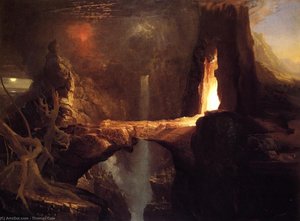
Prometheus Bound (Thomas Cole, 1847)
Thomas Cole (1801–1848) vytvoril Prometheus Bound. Pochádza z roku 1847. Patrí k umeleckému smeru Hudson River School. Je vyrobené z Oil. Nachádza sa v Fine Arts Museums of San Francisco v San Francisco, Spojené štáty Ameriky. Rozmery sú 162 × 243 cm.
- 1847
- Oil
- 162 × 243 cm
- Fine Arts Museums of San Francisco

 Náhľad v interiéri

 Ručne maľovaná olejná reprodukcia
 Odoslať ako digitálnu kartu
 Zdieľať
 Informačný list


 Stiahnuť obraz
 Podobné položky
 RTG skúška
 Prehliadanie diapozoje
 Otázky a odpovede

 Štatistiky
Prometheus Bound v krátkosti
- Názov
- Prometheus Bound
- Umelec
- Thomas Cole (1801–1848)
- Narodený v roku
- Bolton, Spojené kráľovstvo
- Dátum
- 1847
- Technika
- Oil
- Rozmery
- 162 × 243 cm
- Kde si ho pozrieť
- Fine Arts Museums of San Francisco, San Francisco, Spojené štáty Ameriky
- Pohyb
- Hudson River School
- Motív
- landscape, prometheus, mythology, mountains, allegory, romanticism
Čo zobrazuje Prometheus Bound?
The Weight of Myth: Thomas Cole’s “Prometheus Bound”
Thomas Cole's "Prometheus Bound," painted in 1847, isn’t merely a landscape; it’s a profound meditation on defiance, punishment, and the enduring human spirit. This monumental canvas, now residing within the Fine Arts Museums of San Francisco, transcends its subject matter to become a powerful allegory for the struggles inherent in challenging authority and forging one's own destiny. Cole, a pivotal figure in the Hudson River School movement, masterfully blends Romanticism with an underlying moral urgency, creating an image that continues to resonate deeply with viewers today.
The scene depicts Prometheus, chained to a towering rock formation amidst a desolate, snow-laden mountainscape. The composition is strikingly dramatic – a vast expanse of jagged peaks dominates the background, dwarfing the solitary figure of the Titan and emphasizing his isolation and vulnerability. A vulture circles overhead, a constant reminder of Zeus’s relentless retribution, while a subtle hint of Jupiter, the Roman equivalent of Zeus, watches from above, embodying the cold indifference of divine power. Cole's use of light is particularly masterful; a diffused, almost ethereal glow illuminates the scene, casting long shadows and creating an atmosphere of both grandeur and despair. The color palette—primarily cool blues, grays, and whites—reinforces this sense of bleakness, punctuated by the fiery red underpaint used to render the snow-covered mountains – a deliberate choice that subtly hints at Prometheus’s stolen fire.
A Myth Made Manifest: Exploring the Narrative
The painting draws directly from Aeschylus's Greek tragedy, “Prometheus Bound,” a story of rebellion against the gods. Prometheus, in this narrative, is not simply a titan but a symbol of humanity’s relentless pursuit of knowledge and progress. He steals fire from Mount Olympus, gifting it to mankind – an act of defiance that ultimately earns him eternal torment at the hands of Zeus. Cole doesn't shy away from the brutality of the punishment; the stark depiction of Prometheus’s chains and the looming threat of the vulture vividly convey the weight of his transgression. However, within this scene of suffering, there is also a palpable sense of resilience. Prometheus’s gaze, fixed upon the viewer, exudes an almost defiant serenity—a refusal to succumb to despair.
The inclusion of the chorus, comprised of figures emerging from the depths of the mountains, adds another layer of complexity to the narrative. They represent the forces of nature, witnesses to Prometheus's plight, and perhaps even a subtle acknowledgment of his heroic struggle. Their hesitant approach, marked by curiosity and apprehension, suggests that even those seemingly untouched by divine wrath recognize the significance of Prometheus’s actions.
The Hudson River School: A New American Vision
“Prometheus Bound” is a quintessential example of the Hudson River School's artistic philosophy. Unlike earlier European landscape paintings that often focused on idyllic pastoral scenes, Cole sought to capture the raw power and sublime beauty of the American wilderness. He employed a technique known as “atmospheric perspective,” subtly blurring distant elements to create a sense of depth and vastness. This approach wasn’t simply about replicating reality; it was about conveying an emotional response—a feeling of awe and reverence for nature's grandeur.
Cole’s work also reflects the burgeoning American identity of the mid-19th century, grappling with themes of independence, self-reliance, and the relationship between humanity and the natural world. The painting can be interpreted as a metaphor for America’s own struggle to assert its sovereignty against established powers – a sentiment particularly relevant in the context of westward expansion and the nation's growing tensions with European empires.
A Timeless Masterpiece: Reproduction & Beyond
Reproductions of “Prometheus Bound” offer an exceptional opportunity to bring this powerful image into any setting. The meticulous detail, evocative atmosphere, and profound symbolism ensure that a high-quality reproduction will serve as both a beautiful work of art and a compelling conversation piece. Consider framing the artwork in a manner that complements its dramatic scale and reinforces its thematic resonance – perhaps within a contemporary interior space to juxtapose the ancient myth with modern life.
For those seeking an authentic experience, exploring the original painting at the Fine Arts Museums of San Francisco is highly recommended. It’s a truly immersive encounter with one of America's most significant artistic achievements—a testament to Thomas Cole’s genius and a timeless exploration of human courage in the face of overwhelming adversity.
V ktorom múzeu sa nachádza Prometheus Bound?
Fine Arts Museums of San Francisco
San Francisco, Spojené štáty Ameriky
The History of Fine Arts Museums of San Francisco The Fine Arts Museums of San Francisco began with its establishment in 1871. The institution grew through the opening of the de Young Museum in 1895 and the Legion of Honor in 1924. These two separate entities operated independently for several decades before they were formally merged in 1972 under the leadership of Ian McKibbin White.


Vysoko rozlíšené fotografie diela Prometheus Bound

Thomas Cole, Prometheus Bound (1847), Fine Arts Museums of San Francisco. Verejné vlastníctvo
Otázky k dielu Prometheus Bound, odpovede
Kde môžem vidieť originál diela „Prometheus Bound“ od Thomas Cole?
Originál diela „Prometheus Bound“ od Thomas Cole sa nachádza v múzeu Fine Arts Museums of San Francisco, San Francisco, Spojené štáty Ameriky. Reprodukcia vám umožňuje toto dielo vystaviť priamo vo vašom domove.
V ktorom roku bolo vytvorené dielo „Prometheus Bound“ od Thomas Cole?
Vznik diela „Prometheus Bound“ od Thomas Cole sa datuje do roku 1847.
Akou technikou je vytvorené „Prometheus Bound“?
Thomas Cole pre dielo „Prometheus Bound“ použil/a techniku Oil. Táto technika definuje materiálnu podstatu originálneho diela.
Aké sú rozmery originálu „Prometheus Bound“ od Thomas Cole?
Originálne dielo „Prometheus Bound“ od Thomas Cole má rozmery 243 x 162 cm.
Čo zobrazuje „Prometheus Bound“ od Thomas Cole?
Predmetmi diela „Prometheus Bound“ sú landscape, prometheus, mythology, mountains, allegory, romanticism, wilderness.
Patrí „Prometheus Bound“ od Thomas Cole do verejnej domény?
Čo sa týka autorských práv, „Prometheus Bound“ je v v slobodnom prostredí – autorské práva vypršali.
K ktorému umelcovi sa pripisuje dielo "Prometheus Bound"?
Autorom diela „Prometheus Bound“ je Thomas Cole. Prácu nájdete v katalógu pod menom Thomas Cole.
Do ktorého umeleckého smeru patrí „Prometheus Bound“ od Thomas Cole?
„Prometheus Bound“ od Thomas Cole patrí do smeru Hudson River School. Tento smer poskytuje štylistický kontext diela.
K ktorej fáze tvorivého rozvoja Thomas Cole patrí dielo „Prometheus Bound“?
V rámci kariéry umelca Thomas Cole spadá dielo „Prometheus Bound“ do obdobia Late Period, čo umožňuje jeho porovnanie s ostatnými prácami tohto umelca.
O umelcovi, Thomas Cole

1801–1848, Spojené kráľovstvo
Thomas Cole
Život a umenie Thomas Cole Narodený 1. februára 1801 v Bolton le Moors v hrabstve Lancashire v Anglicku, Thomas Cole začal svoj život ďaleko od krajin, ktoré mu neskôr mali priniesť slávu a definovať jeho meno. Jeho rodina emigrovala do Spojených štátov v roku 1818 za novým začiatkom v krajine rozľahlých, ešte nemapovaných území. V týchto raných rokoch bol mužom mnohých remesiel; pracoval ako rytovač a neskôr, od roku 1822, našiel stabilné uplatnenie ako portrétny maliar.
Aj od Thomas Cole
 Oxbow
 Snov architekta1840
 Odplaviteľ (Mesiac a svetlo)1828
 Výhľad na Florenciu zo San Miniata1837

Eseje k dielu Prometheus Bound
 Masterpieces of Light: The Top 25 Artworks by Duccio di BuoninsegnaJourney through the Sienese brilliance of Duccio di Buoninsegna. Explore 25 iconic masterpieces, from the Rucellai Madonna to the Maestà, f…
 Nature's Nation: The Hudson River School and the Art of the American SublimeExplore the spiritual depth of the Hudson River School through its masters. Discover the power of the American Sublime today.
 Top 10 majstrovských diel renesancie: Umění, ktoré zmenilo svet | OriginalUniqueArt.skObjavte top 10 majstrovských diel renesancie – od Leonarda da Vinciho po Michelangela. Prežite príbehy umenia, techniky a nadčasnej krásy. …