
 Náhľad
 Odoslať
 Zdieľať
 Podrobnosti o dielo

 Stiahnuť
 Podobné diela
 RTG skúška
 Prezentácia
Vložené stropové dekorácie


 Zobraziť viac
Ručne maľovaná olejová reprodukcia
Ručne maľovaný olej na plátne vo vašej zvolenej veľkosti a v ráme, vyrobený na mieru našimi umelcami. ( Prejsť na tlač Prepnúť na obrázok)




P118B $10

P118H $10

P118W $10

P438Z $10

P508JH $12

P508YH $12

P805H $10

P805Z $10

P919BZ $10

P919G $10

P919XJ $10

P959ZH $10

P968JZ $12

W106C $8

W218G $10

W218JH $8

W218Y $10

W307PJ $10

W316G $10

W316PJ $8

W316Y $10

W398PJ $8

W4111J $10

W500HY $15

W500JH $15

W692G $12

W849H $8

W940BG $15

W953PJ $8




Vyberte si z našich preddefinovaných rozmerov, ktoré zodpovedajú pôvodným pomeroḿ diela.

Môžete zadať vlastné rozmery tak, aby sa hodili do konkrétneho rámu alebo priestoru. Ak sa váš zvolený rozmer nezhoduje s pôvodnými proporciami obrazu, dielo buď orezáme, alebo ho doplníme ručne maľovanými prvkami. Pred začiatkom výroby vám zašleme digitálny náhľad na schválenie.
Upozorňujeme, že ukážka na obrazovke neodráža skutočné orezanie alebo doplnenie. Skutočnú finálnu kompozíciu zobrazuje iba digitálny náhľad.
Hoci sú k dispozícii vlastné rozmery, odporúčame vybrať rozmer z preddefinovaného zoznamu, aby sme zachovali pôvodné proporcie.
Po odoslaní objednávky vám tím OriginalUniqueArt.com pošle e-mail s pokynmi a poskytne náhľad na návrh.
Celosvetová doprava () za 3 až 4 týždne namiesto štandardných 5 týždňov. (10 august). Bez kompromisov v kvalite.

Bezplatná expresná doprava po celom svete

Prémiové lnianske plátno

Kompletné poistenie prepravy

Záruka vrátenia colného poplatku

Záruka presného farebného zhodnutia

60-dňá politika vrátenia (iba pri defektoch)

100% záruka vrátenia peňazí

Výhodná množstevná zľava
 Možnosť skla je dostupná len pri rozmeroch pod 110 cm

Vložené stropové dekorácie
Technika reprodukcie
Veľkosť reprodukcie
-


Celková cena za vybrané možnosti
$ 300
Popis diela
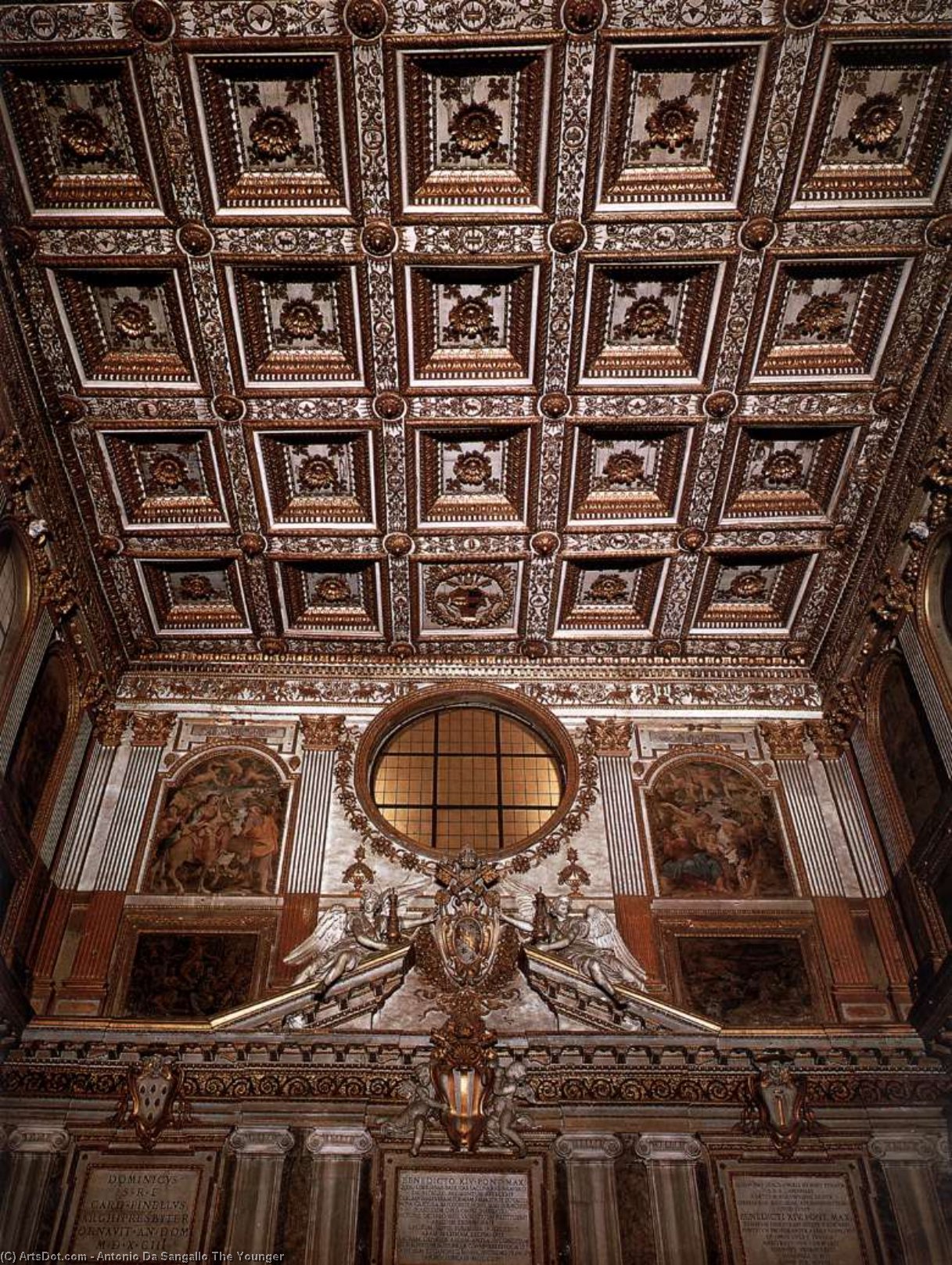
In-laid Ceiling: A Renaissance Masterpiece Revisited
The In-laid Ceiling of Santa Maria Maggiore in Rome stands as an enduring symbol of Florentine Renaissance artistry and papal ambition. Commissioned during the reign of Pope Alexander VI – a period marked by political intrigue and artistic patronage – this monumental fresco, completed around 1490 by Antonio da Sangallo the Younger, transcends mere decoration; it embodies the intellectual fervor and aesthetic ideals that defined the era. Examining its intricate design reveals layers of meaning rooted in classical geometry, humanist philosophy, and Christian iconography.- Architectural Context: Designed by Antonio da Sangallo the Elder, alongside Giuliano da Sangallo, this ceiling exemplifies the ambitious architectural vision prevalent during the High Renaissance. It’s situated within the basilica itself, a testament to papal piety and artistic prestige—a deliberate choice reflecting the importance of sacred spaces in shaping cultural identity.
- Composition & Technique: The ceiling's design is characterized by a masterful use of square panels interspersed with circular windows, maximizing natural light and creating dramatic visual effects. Sangallo employed meticulous fresco technique – applying pigment directly onto wet plaster – ensuring exceptional durability and preserving the vibrancy of color for centuries to come.
- Emotional Impact: Gazing upon this ceiling evokes a profound sense of awe and contemplation. The interplay of light and color, combined with the grandeur of its design, transports viewers back to the Renaissance, fostering appreciation for artistic beauty and intellectual curiosity.
Biografia umelca
Hans Baldung: A Bridge Between Darkness and Light
Born in the small Imperial Free City of Schwäbisch Gmünd around 1484 or 1485, Hans Baldung was a pivotal figure in the transition between the late Gothic traditions of Northern Europe and the burgeoning Renaissance art scene. His life, tragically cut short in September 1545 at the age of approximately sixty-one, marked him as a master craftsman deeply rooted in both the expressive power of the past and the innovative spirit of his time. While often overshadowed by his influential student, Albrecht Dürer, Baldung carved out a unique artistic identity, characterized by a potent blend of meticulous detail, dramatic color, and a distinctly unsettling psychological depth.
Baldung’s early life remains somewhat shrouded in mystery. He was the son of a jurist and a doctor, receiving an unusual education for an artist of his era – he attended university himself, though not to pursue a degree. This intellectual background likely contributed to his later explorations of allegory and symbolism. His apprenticeship with Albrecht Dürer in Nuremberg from 1503 to 1507 proved transformative. Here, he absorbed the master’s technical skills and observational acuity, but crucially, Baldung began to develop a style that diverged significantly from Dürer's idealized realism. While Dürer sought clarity and order, Baldung embraced a more subjective and emotionally charged approach.
The Dual Nature of a Master
Baldung’s artistic legacy is defined by its inherent duality. He was simultaneously a devout follower of Dürer and a champion of the darker, more expressive currents of late Gothic art. This tension manifests in his diverse body of work – from meticulously rendered portraits and intricate woodcuts to hauntingly beautiful altarpieces and stained glass windows. His nickname, “Hans Baldung Grien,” derived from the German word for green, reflects his penchant for rich, saturated colors, often employed with a dramatic intensity that bordered on the macabre.
His work is characterized by a fascination with death, decay, and the grotesque – themes frequently explored in late medieval art. This interest isn’t simply morbid; it represents a profound engagement with the complexities of human existence, acknowledging both beauty and suffering. Consider his depictions of demons and devils, not as purely malevolent figures, but as embodiments of temptation and moral struggle. Baldung's ability to convey such psychological nuance was remarkably advanced for his time.
A Flourishing Career
Baldung’s career spanned several decades, during which he produced a vast and varied oeuvre. He worked as a painter, printmaker, draftsman, and even a stained glass artist, demonstrating remarkable versatility. His woodcuts, in particular, are considered masterpieces of the German Renaissance, showcasing his technical skill and expressive power. These prints often depict scenes from mythology, biblical stories, and allegorical narratives, imbued with a sense of drama and emotional intensity.
His altarpieces, such as those found in the St. Sebaldus Church in Munich, are notable for their vibrant colors, dynamic compositions, and unsettling imagery. These works reflect Baldung’s unique artistic vision – a synthesis of Gothic expressiveness and Renaissance innovation. He also created numerous portraits, often characterized by a psychological realism that anticipated later developments in portraiture.
Legacy and Influence
Despite his undeniable talent and prolific output, Hans Baldung's place in art history has been somewhat overshadowed for centuries. Initially, he was largely viewed as a mere student of Dürer, lacking the independent genius of his master. However, in recent decades, scholars have increasingly recognized Baldung’s originality and significance. His work is now appreciated for its complex psychological depth, its masterful use of color, and its crucial role in bridging the gap between late Gothic art and the Renaissance.
Baldung's influence can be seen in the works of subsequent generations of German artists, including his son, Hans Holbein the Younger. His legacy endures as a testament to the power of artistic duality – the ability to embrace both darkness and light, tradition and innovation, to create art that is both deeply rooted in the past and profoundly relevant to the present.

antonio da sangallo the younger
1484 - 1546 , Italy
Základné informácie
- Artistic Movement Or Style: German Renaissance, Mannerism
- Artists Or Movements Influenced By This Artist: ['Sandro Botticelli']
- Artists Who Influenced This Artist: ['Albrecht Dürer']
- Date Of Birth: 1484 or 1485
- Date Of Death: September 1545
- Full Name: Hans Baldung
- Nationality: German
- Notable Artworks:
- Primavera
- The Birth of Venus
- The Adoration of the Magi
- Place Of Birth: Schwäbisch Gmünd, Germany
Súvisiace články
Leonardo da Vinci: Top 25 majstrovských diel pre váš domov | OriginalUniqueArt.sk
Objavte top 25 majstrovských diel Leonarda da Vinci! Prežite príbehy Mona Lisy, Poslednej večere a ďalších renesančných pokladov. Kvalitné reprodukcie obrazov pre váš domov na OriginalUniqueArt.sk. Preskúmajte celú kolekciu online.

Drama and Light: A Definitive Guide to the Italian Baroque Masterpieces and the Revolution of Chiaroscuro
Explore the dramatic world of Italian Baroque art. Discover how masters like Caravaggio used chiaroscuro and tenebrism to revolutionize painting through light, shadow, and profound realism. A definitive guide for history lovers and art collectors.

Pietro da Cortona: Baroque Grandeur & the Synthesis of Roman Painting
Explore the life & masterpieces of Pietro da Cortona, a defining figure of the Italian Baroque. Discover his stunning frescoes at Palazzo Barberini and lasting influence on Roman art history. Learn more with OriginalUniqueArt.

Baroková Dráma: Umenie, ktoré prináša nádheru do domova
Objavte nádheru barokového štýlu! Spoznajte jeho históriu, kľúčové prvky a inšpirujte sa tipmi pre váš domov. Kvalitné reprodukcie diel od .

Moderná stropná freska: Prineste umenie renesancie do interiéru s
Objavte umenie stropných fresiek s ! Ponúkame kvalitné renesančné a moderné motívy na mieru pre hotely, apartmány a interiéry. Profesionálne návrhy a realizácie.


