Gongbi Landscape · 1530
Handscroll (Qiu Ying, 1530)
Qiu Ying (1494–1552) vytvoril Handscroll. Pochádza z roku 1530. Patrí k umeleckému smeru Gongbi Landscape. Je vyrobené z Acrylic On Canvas. Nachádza sa v Metropolitné múzeum umenia v New York, Spojené štáty Ameriky.
- 1530
- Acrylic On Canvas
- Metropolitné múzeum umenia, New York

 Náhľad v interiéri

 Ručne maľovaná olejná reprodukcia
 Odoslať ako digitálnu kartu
 Zdieľať
 Informačný list pre študentov


 Stiahnuť obraz
 Podobné položky
 RTG skúška
 Prehliadanie diapozoje
 Otázky a odpovede

 Štatistiky
Handscroll v krátkosti
- Názov
- Handscroll
- Umelec
- Qiu Ying (1494–1552)
- Narodený v roku
- Taicang, Čína
- Dátum
- 1530
- Médium
- Acrylic On Canvas
- Kde si ho pozrieť
- Metropolitné múzeum umenia, New York, Spojené štáty Ameriky
- Pohyb
- Gongbi Landscape
- Obdobie
- Late Medieval
- Predmet
- ming dynasty, landscape, scroll, qiu ying, luohans, chinese art
Čo zobrazuje Handscroll?
Qiu Ying’s “Up the River During Qingming”: A Masterpiece of Ming Dynasty Serenity
“Up the River During Qingming,” painted by Qiu Ying during the mid-16th century, is more than just a landscape; it's a carefully constructed meditation on harmony, leisure, and the enduring beauty of nature. Attributed to one of China’s Four Masters of the Ming Dynasty – alongside Shen Zhou, Tang Yin, and Wen Zhengming – this exquisite handscroll offers a rare glimpse into the refined aesthetic sensibilities of Suzhou during that era. The work, currently residing in the collection of the National Gallery of Canada, invites viewers into a tranquil scene brimming with subtle symbolism and masterful brushwork.
Qiu Ying’s artistic journey was remarkably unconventional for his time. Rather than pursuing formal training within established art circles, he began as a lacquer artisan, honing his skills in meticulous detail – a foundation that profoundly influenced the precision and control evident throughout “Up the River During Qingming.” This early experience instilled in him an unparalleled understanding of line and color, qualities he would later translate into his celebrated landscape paintings. His apprenticeship with Zhou Chen in Suzhou further solidified his technical abilities, exposing him to the techniques of the Wu School, known for its emphasis on ink washes and a more expressive approach to nature.
A Symphony of Detail: Technique and Style
The painting’s remarkable quality stems from Qiu Ying's mastery of the gongbi technique – a highly detailed, realistic style that was favored by court painters. Each element—from the meticulously rendered bamboo stalks to the delicate folds of the pavilions—is executed with painstaking precision, creating an illusion of incredible depth and texture. Notice the subtle gradations of color achieved through layering washes of ink and pigment; this creates a luminous quality that brings the scene to life. The composition is carefully balanced, drawing the eye across the landscape in a deliberate and engaging manner. The artist’s use of loose brushwork, particularly in depicting the distant mountains and flowing river, contrasts beautifully with the tightly controlled detail of the foreground elements, demonstrating Qiu Ying's versatility and his ability to seamlessly blend different artistic approaches.
Symbolism Woven into the Landscape
“Up the River During Qingming” is rich in symbolic meaning. The scene depicts a scholar leisurely enjoying a day by the river, surrounded by carefully arranged pavilions and gardens. This imagery reflects the Confucian ideals of scholarly pursuits, contemplation, and harmony with nature – values highly esteemed during the Ming Dynasty. The presence of the tavern and the farmer gathering water vegetables adds a touch of everyday life to the scene, reminding us that even amidst beauty and tranquility, human activity continues. The bamboo grove, a recurring motif in Chinese art, symbolizes resilience, integrity, and longevity—qualities admired in virtuous individuals. The distant mountains represent permanence and stability, while the flowing river embodies fluidity and change.
A Window into Ming Dynasty Culture
Beyond its aesthetic beauty, “Up the River During Qingming” offers a valuable insight into Ming Dynasty culture. It reflects the importance of gardens as spaces for contemplation, artistic expression, and social interaction. The lavish furnishings within the pavilions—including the exquisite celadon vase—demonstrate the wealth and sophistication of the era’s elite. The painting also reveals the influence of philosophical ideas, particularly those associated with Zhou Dunyi, whose “On the Love for the Lotus” inspired the scene's composition and symbolism. Qiu Ying’s ability to seamlessly integrate these diverse elements into a cohesive and harmonious whole is a testament to his artistic skill and cultural awareness.
Collecting a Legacy: Reproduction and Inspiration
Reproductions of “Up the River During Qingming” capture only a fraction of the painting's original impact. The subtle nuances of color, texture, and brushwork are difficult to replicate fully, but high-quality reproductions offer an accessible way to appreciate Qiu Ying’s artistry. This work serves as a powerful reminder of the enduring appeal of Chinese landscape painting—a genre that continues to inspire artists and captivate viewers with its beauty, symbolism, and profound sense of serenity.
V ktorom múzeu sa nachádza Handscroll?
Metropolitné múzeum umenia
New York, Spojené štáty Ameriky
Pôvody a história Metropolitného múzea umenia Metropolitné múzeum umenia vzniklo z vizie, ktorú zdieľala skupina podnikateľov, finančníkov a významných umelcov i mysliteľov. Po jeho založení v roku 1870 sa inštitúcia začala vyhľadávať trvalý domov pre svoje čoraz rozsiahlejšie nábytok a umelnícke kúsky. Skôr než sa usadilo na svojom súčasnom mieste, múzeum krátkodobo sídelo v panstve Douglas Mansion na West 14th Street.


Vysoko rozlíšené fotografie diela Handscroll

Qiu Ying, Handscroll (1530), Metropolitné múzeum umenia. Doména verejného vlastníctva
Otázky k dielu Handscroll a ich odpovede
Kde je dnes vystavené dielo „Handscroll“ od Qiu Ying?
Dielo „Handscroll“ od Qiu Ying je vystavené v múzeu Metropolitné múzeum umenia, New York, Spojené štáty Ameriky. Uvedená informácia o múzeu sa vzťahuje na originál, nie na reprodukcie.
V ktorom roku bolo vytvorené dielo „Handscroll“?
Dielo „Handscroll“ od Qiu Ying vzniklo v roku 1530.
V akom médiu je vytvorené dielo „Handscroll“ od Qiu Ying?
Qiu Ying pre dielo „Handscroll“ použil/a techniku Acrylic On Canvas. Táto technika definuje materiálnu podstatu originálneho diela.
Čo zobrazuje dielo „Handscroll“ od Qiu Ying?
Témy predstavované v díle „Handscroll“ od Qiu Ying zahŕňajú ming dynasty, landscape, scroll, qiu ying, luohans, chinese art, gongbi. Spolu zhrňujú predmet skladby.
Je „Handscroll“ vo voľnom dostupe?
Stav autorských práv pre „Handscroll“ od Qiu Ying: dielo je v stave v slobodnom prostredí – autorské práva vypršali. To určuje, či je možné voľne vytvárať reprodukcie tohto obrazu.
Kto vytvoril "Handscroll"?
Dielo „Handscroll“ vytvoril/a Qiu Ying. Informácie na tejto stránke opisujú originálne dielo umelca/ky Qiu Ying.
K ktorému umeleckému smeru patrí „Handscroll“ od Qiu Ying?
„Handscroll“ od Qiu Ying patrí do smeru Gongbi Landscape. Tento smer poskytuje štylistický kontext diela.
Do ktorej obdobia tvorby Qiu Ying spadá dielo "Handscroll"?
V rámci kariéry umelca Qiu Ying spadá dielo „Handscroll“ do obdobia Mid-16th Century, čo umožňuje jeho porovnanie s ostatnými prácami tohto umelca.
V akom veku vytvoril/a Qiu Ying dielo „Handscroll“?
Qiu Ying mal/a 36 rokov, keď v roku 1530 vytvoril/a dielo „Handscroll“. Vek bol vypočítaný na základe roku narodenia umelca, 1494.
O umelcovi, Qiu Ying
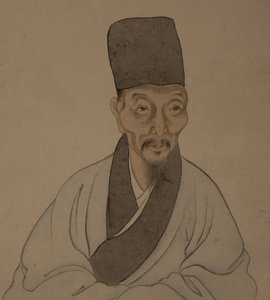
1494–1552, Čína
Qiu Ying
Život vytesaný štetcom: Svet Qiu Yinga Narodený v skromných okolnostiach v roku 1494 v mestečku Taicang, neďaleko dnešnej provincie Jiangsu, sa Qiu Ying vypracoval na jedného z najslávnejších maliarov éry Ming. Na rozdiel od mnohých umelcov svojej doby, ktorí mohli čerpať zo scholárneho výchovného prostredia a formálneho vzdelania v etablovaných umeleckých kruhoch, bola cesta Qiu Yinga mimoriadne sebavydobudovaná. Svoju umeleckú cestu nezačal tradičnými kanálmi, ale ako učeň lakovníka, pričom si precvičoval zručnosti v detailnej dekoratívnej práci – čo bol základ, ktorý neskôr hlboko ovplyvnil meticulnú presnosť jeho malieb. Táto skorá skúsenosť mu vtmlila majstrovstvo línie a farby, vlastnosti, ktoré neskôr zdokonalil pod vedením Zhou Chena v Suzhou, ktorý bol počas obdobia Ming pulzujúcim kultúrnym centrom.
Aj od Qiu Ying
 Up the River During Qingming1644
 Zhao Mengfu Writing the Heart (Hridaya) Sutra in Exchange for Tea1542
 Lady Su Hui and Her Verse Puzzle501
 The Seven sages of the bamboo grove1552

Eseje k dielu Handscroll
 Understanding Chinese Painting: A Comparison of Gongbi and XieyiMaster the differences between Gongbi and Xieyi styles. Discover the history and techniques of Chinese ink painting now.
 25 Must-See Masterpieces at Berlin's Alte NationalgalerieExplore 25 iconic masterpieces from Berlin's Alte Nationalgalerie. From Romanticism to Impressionism, discover them all on OriginalUniqueAr…
 Understanding Chinese Art: Literati Painting and Song Academy PaintingMaster the distinction between Song Academy and Literati painting styles. Explore Chinese art history through expert analysis today.