
 Kúpiť tlač Kúpiť digitálnu verziu
 Odoslať
 Zdieľať
 Podrobnosti o dielo
 Pridať do obľúbených

 Stiahnuť
 Podobné diela
 RTG skúška
 Prezentácia
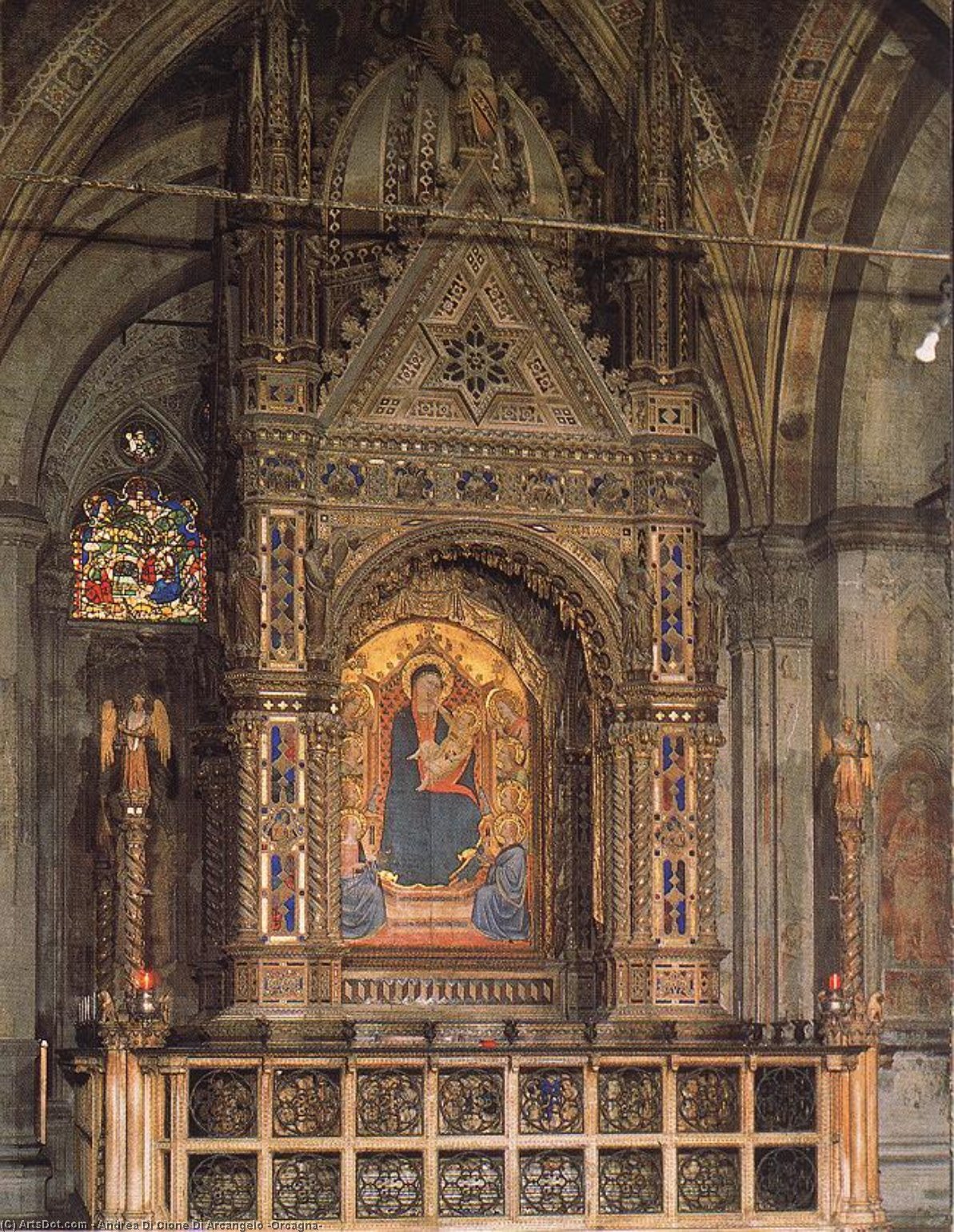
Tabernacle


 Zobraziť viac
Ručne maľovaná olejová reprodukcia
Ručne maľovaný olej na plátne vo vašej zvolenej veľkosti a v ráme, vyrobený na mieru našimi umelcami.




































Vyberte si z našich preddefinovaných rozmerov, ktoré zodpovedajú pôvodným pomeroḿ diela.

Môžete zadať vlastné rozmery tak, aby sa hodili do konkrétneho rámu alebo priestoru. Ak sa váš zvolený rozmer nezhoduje s pôvodnými proporciami obrazu, dielo buď orezáme, alebo ho doplníme ručne maľovanými prvkami. Pred začiatkom výroby vám zašleme digitálny náhľad na schválenie.
Upozorňujeme, že ukážka na obrazovke neodráža skutočné orezanie alebo doplnenie. Skutočnú finálnu kompozíciu zobrazuje iba digitálny náhľad.
Hoci sú k dispozícii vlastné rozmery, odporúčame vybrať rozmer z preddefinovaného zoznamu, aby sme zachovali pôvodné proporcie.
Po odoslaní objednávky vám tím OriginalUniqueArt.com pošle e-mail s pokynmi a poskytne náhľad na návrh.
Celosvetová doprava () za 3 až 4 týždne namiesto štandardných 5 týždňov. (19 júl). Bez kompromisov v kvalite.

Bezplatná expresná doprava po celom svete

Prémiové lnianske plátno

Kompletné poistenie prepravy

Záruka vrátenia colného poplatku

Záruka presného farebného zhodnutia

60-dňá politika vrátenia (iba pri defektoch)

100% záruka vrátenia peňazí

Výhodná množstevná zľava
 Možnosť skla je dostupná len pri rozmeroch pod 110 cm

Tabernacle
Technika reprodukcie
Veľkosť reprodukcie
-


Celková cena za vybrané možnosti
-
Biografia umelca
Andrea di Cione (Orcagna): A Florentine Titan of Gothic Revival
Andrea di Cione, commonly known as Orcagna, stands as one of the most influential figures in Florentine art during the mid-14th century—a period marked by a fascinating confluence of Gothic and Late Gothic artistic traditions. Born around 1308 in Florence, he emerged from a family steeped in craftsmanship, his father being a goldsmith who instilled in him an appreciation for meticulous detail and masterful execution. This familial legacy profoundly shaped Orcagna’s artistic trajectory, propelling him to become not merely a painter but also a sculptor and architect—a rare combination that cemented his reputation as a polymath of the era.Early Life and Artistic Training
Orcagna's formative years were spent honing his skills within the vibrant Florentine artisan community. While biographical details remain scarce, evidence suggests he received training primarily from his father and possibly from other prominent sculptors of the time. This grounding in traditional techniques—particularly those associated with Gothic sculpture—would prove crucial to his subsequent artistic endeavors. The influence of Flemish art, particularly its dramatic compositions and expressive realism, is palpable in Orcagna’s early works, foreshadowing the stylistic innovations that would define his mature style.The Triumph of Death: A Monumental Achievement
Orcagna achieved unparalleled fame through *The Triumph of Death*, a monumental altarpiece commissioned for Siena Cathedral between 1365 and 1370. This ambitious undertaking represents arguably the pinnacle of Late Gothic art in Italy, showcasing Orcagna’s mastery of sculptural technique alongside his exceptional painting prowess. The sculpture itself—a complex assemblage of figures depicting saints, martyrs, and demons—is executed with breathtaking precision and conveys a profound sense of terror and solemn contemplation. Simultaneously, the painted panels depict scenes from biblical narratives interwoven with allegorical representations of mortality, capturing the anxieties of the time with unparalleled psychological depth. Its innovative use of perspective and dramatic lighting established Orcagna as a pioneer in artistic experimentation.Notable Paintings and Sculptures
Beyond *The Triumph of Death*, Orcagna produced numerous other significant artworks, including frescoes adorning churches throughout Tuscany and Umbria. His depictions of saints—particularly Saint Matthew—are characterized by their serene beauty and meticulous attention to detail, reflecting the humanist ideals that were gaining momentum during his lifetime. Furthermore, he undertook architectural projects, notably Sant'Andrea a Brozzi in Siena, where he skillfully blended Gothic elements with Renaissance influences—a testament to Orcagna’s adaptability and artistic vision.Legacy and Historical Significance
Orcagna’s contribution to Florentine art transcends mere stylistic innovation; he embodies the spirit of his age – a period grappling with religious upheaval and intellectual transformation. His work exemplifies the enduring power of Gothic traditions while simultaneously embracing emerging Renaissance principles, marking him as a pivotal figure in bridging the gap between two artistic movements. Today, Orcagna’s sculptures and paintings continue to inspire admiration for their technical brilliance and emotional resonance, securing his place among the greatest artists of the 14th century and cementing his legacy as a cornerstone of Florentine cultural heritage.
andrea di cione di arcangelo (orcagna)
1308 - 1368 , Italy
Základné informácie
- Artistic Movement Or Style: Gothic-Late Gothic
- Artists Or Movements Influenced By This Artist: ['Renaissance']
- Artists Who Influenced This Artist: ['Ghirlandaio']
- Date Of Birth: Florence, Italy (1308)
- Date Of Death: 1368
- Full Name: Andrea di Cione di Arcangelo (Orcagna)
- Nationality: Italian
- Notable Artworks:
- Saint Matthew and Scenes from his Life
- The Expulsion of the Duke of Athens
- Tabernacle (detail)
- Cenacolo di Andrea del Sarto
- Sant'Andrea a Brozzi
- Place Of Birth: Florence

