Symbolism
Redemptive Death (Max Klinger)
Max Klinger (1857–1920) vytvoril Redemptive Death. Patrí k umeleckému smeru Symbolism.

 Náhľad v interiéri

 Ručne maľovaná olejná reprodukcia
 Odoslať ako digitálnu kartu
 Zdieľať
 Informačný list


 Stiahnuť obraz
 Podobné položky
 RTG skúška
 Prehliadanie diapozoje
 Otázky a odpovede

 Štatistiky
Redemptive Death v krátkosti
- Názov
- Redemptive Death
- Umelec
- Max Klinger (1857–1920)
- Narodený v roku
- Lipsko, Nemecko
- Pohyb
- Symbolism
- Motív
- grief and mourning, death & mortality, classical imagery, monochrome art, symbolic scene, renaissance influence
Vysoko rozlíšené fotografie diela Redemptive Death
Max Klinger, Redemptive Death. Verejné vlastníctvo
Otázky k dielu Redemptive Death, odpovede
Čo zobrazuje dielo „Redemptive Death“ od Max Klinger?
Predmetmi diela „Redemptive Death“ sú grief and mourning, death & mortality, classical imagery, monochrome art, symbolic scene, renaissance influence, emotional depth.
Je „Redemptive Death“ vo voľnom dostupe?
„Redemptive Death“ od Max Klinger patrí do v slobodnom prostredí – autorské práva vypršali. Tento stav určuje pravidlá pre reprodukciu obrazu tohto diela.
Kto vytvoril "Redemptive Death"?
Dielo „Redemptive Death“ vytvoril/a Max Klinger. Informácie na tejto stránke opisujú originálne dielo umelca/ky Max Klinger.
K ktorému umeleckému smeru patrí „Redemptive Death“ od Max Klinger?
„Redemptive Death“ od Max Klinger patrí do smeru Symbolism. Tento smer poskytuje štylistický kontext diela.
K ktorej fáze tvorivého rozvoja Max Klinger patrí dielo „Redemptive Death“?
V rámci kariéry umelca Max Klinger spadá dielo „Redemptive Death“ do obdobia Mature Period, čo umožňuje jeho porovnanie s ostatnými prácami tohto umelca.
Patrí dielo „Redemptive Death“ od Max Klinger do verejnej vlastnícky sféry a prečo?
Autorské práva k dielu „Redemptive Death“ – v slobodnom prostredí – autorské práva vypršali – vyplývajú zo smrti umelca v roku 1920.
Čo spoločné má dielo „Redemptive Death“ s ostatnou tvorbou umelca Max Klinger?
„Redemptive Death“ patrí k dielu Max Klinger v rámci smeru Symbolism, ktorého zachytané témy zahŕňajú renaissance & baroque echoes, classical grief narrative, symbolist psychological depth, german morality & loss, critique of bourgeois values, exploring human suffering, bridge to social commentary, key symbolist engraving".
Je dielo „Redemptive Death“ typické pre to, čo Max Klinger zvyčajne tvoril?
„Redemptive Death“ zachytáva grief and mourning, death & mortality, classical imagery, monochrome art, symbolic scene, renaissance influence, emotional depth, zatiaľ čo v tvorbe umelca Max Klinger sa pravidelne objavujú témy ako renaissance & baroque echoes, classical grief narrative, symbolist psychological depth, german morality & loss, critique of bourgeois values, exploring human suffering, bridge to social commentary, key symbolist engraving". Porovnanie týchto dvoch aspektov ukazuje, ako toto dielo nadväzuje na bežné motívy tohto umelca.
O umelcovi, Max Klinger

1857–1920, Nemecko
Max Klinger
The Shadowed World of Max Klinger: A Pioneer of Symbolism Max Klinger, born in Leipzig in 1857, wasn’t simply an artist; he was a translator—a translator of the human psyche into visual form. His artistic journey wasn't one of immediate acclaim but rather a gradual unfolding of a unique vision – a descent into the psychological depths that would profoundly influence modern art. Klinger’s early training at the Academy of Fine Arts in Karlsruhe, under Karl Gussow, provided him with a solid foundation in traditional techniques, yet it was his fascination with the etchings of artists like Menzel and Goya—masters who understood how to convey not just visual representation but also narrative complexity and emotional intensity – that truly ignited his imagination. These masters demonstrated the power of printmaking to reveal hidden currents, anxieties, and dreams within the human experience; qualities Klinger would masterfully employ throughout his career.
Aj od Max Klinger
 The death peeing
 The Isle of the Dead
 Presa
 Y sin embargo!
Eseje k dielu Redemptive Death
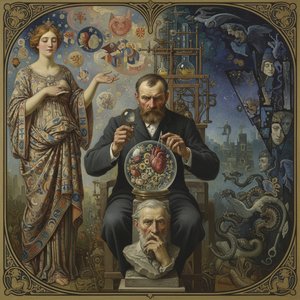 Max Klinger: Symbolism, Science & the Subconscious – A German Master's LegacyExplore the captivating world of Max Klinger, a pivotal German Symbolist artist. Discover his groundbreaking prints, psychological themes, …
 Beyond Reality: Exploring Symbolism's Influence on Modern Art & Psychological ExpressionExplore the captivating world of Symbolism! Discover key artists, psychological themes & its lasting impact on modern art. Expert insights …
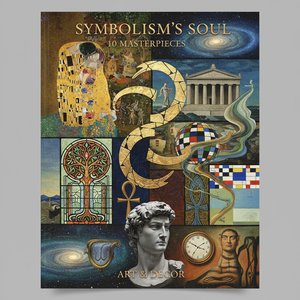 Top 10 diel Symbolizmu: Majstrovské obrazy pre váš domov | OriginalUniqueArtPonorte sa do sveta symbolizmu s 10 majstrovskými dielami od Klimta, Muncha a ďalších. Objavte príbehy, techniky a význam týchto ikonických…