Pointers In A Landscape (Edwin Cooper)
Edwin Cooper (1785–1833) vytvoril Pointers In A Landscape.

 Náhľad v interiéri

 Ručne maľovaná olejná reprodukcia
 Odoslať ako digitálnu kartu
 Zdieľať
 Príručka


 Stiahnuť obraz
 Podobné položky
 RTG skúška
 Prehliadanie diapozoje
 Otázky a odpovede

 Štatistiky
Pointers In A Landscape: základné informácie
- Názov
- Pointers In A Landscape
- Umelec
- Edwin Cooper (1785–1833)
- Narodený v roku
- Bury St Edmunds, United Kingdom
- Motív
- landscape
Pointers In A Landscape vo vysokom rozlíšení
Edwin Cooper, Pointers In A Landscape. Verejné vlastníctvo
Digitálny expert porovnáva farby s originálnym obrazom a retušuje súbor tak, aby verne odovzdal ťah pędzla umelca.
Kúpiť obraz vo vysokom rozlíšeníOtázky k Pointers In A Landscape
Čo zobrazuje „Pointers In A Landscape“ od Edwin Cooper?
„Pointers In A Landscape“ od Edwin Cooper zobrazuje: landscape.
Je „Pointers In A Landscape“ vo voľnom dostupe?
„Pointers In A Landscape“ od Edwin Cooper patrí do v slobodnom prostredí – autorské práva vypršali. Tento stav určuje pravidlá pre reprodukciu obrazu tohto diela.
Kto je umelcom diela „Pointers In A Landscape"?
Autorom diela „Pointers In A Landscape“ je Edwin Cooper. Prácu nájdete v katalógu pod menom Edwin Cooper.
Čo vysvetľuje situáciu s autorskými právami diela „Pointers In A Landscape“ od Edwin Cooper?
Dielo „Pointers In A Landscape“ od umelca Edwin Cooper patrí do v slobodnom prostredí – autorské práva vypršali. Autorské práva sa vypočítavajú od roku úmrtia umelca, pričom Edwin Cooper zomrel v roku 1833.
O umelcovi, Edwin Cooper
1785–1833, United Kingdom
Edwin Cooper
A Life Painted in Light: The World of Edwin Cooper Edwin Cooper, born in 1785 and passing in 1833, remains a somewhat enigmatic figure within the landscape of 19th-century British art. While not enjoying the widespread renown of contemporaries like Turner or Constable, his work possesses a quiet dignity and a meticulous attention to detail that speaks volumes about the era’s evolving artistic sensibilities. Cooper's paintings, often depicting idyllic rural scenes and historical narratives, offer a fascinating glimpse into the social and aesthetic values of the time. His career unfolded during a period of significant change – the transition from Neo-Classicism towards Romanticism – and his art reflects this tension between order and emotion, restraint and passion.
Aj od Edwin Cooper
 Michael Beverley With His Whipper In And Harriers,1831
 London To Glasgow Royal Mail On The Open Road
 Preparing to set off
 A foxhound and her litter
Eseje k dielu Pointers In A Landscape
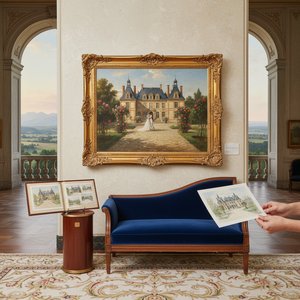 Zachovajte si spomienku na miesto svadby prostredníctvom zákazkového obrazuZvečnite váš svadobný deň jedinečným zákazkovým obrazom! Profesionálni umelci, kvalitné materiály a precízne spracovanie. Objednajte si ori…
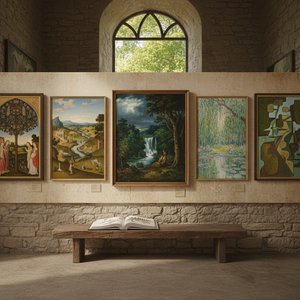 Evoking Eden: Nature's Enduring Presence in Painting Across Historical MovementsExplore the rich history of landscape painting from ancient times to modern art! Discover renowned artists like Monet & Robinson, learn abo…
 The Art of Noticing: How Masterpiece Landscapes Capture Quiet ObservationDiscover how masters like Corot use light to capture stillness. Explore the profound art of landscape observation today.