Expressionism · 1893
Storm (Edvard Munch, 1893)
Edvard Munch (1863–1944) vytvoril Storm. Pochádza z roku 1893. Patrí k umeleckému smeru Expressionism. Je vyrobené z Oil On Canvas.
- 1893
- Oil On Canvas

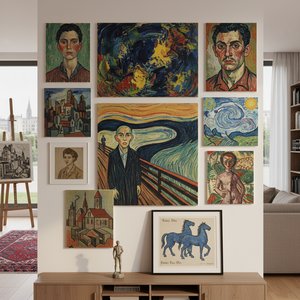
 Náhľad v interiéri

 Ručne maľovaná olejná reprodukcia
 Odoslať ako digitálnu kartu
 Zdieľať
 Príručka


 Stiahnuť obraz
 Podobné položky
 RTG skúška
 Prehliadanie diapozoje
 Otázky a odpovede

 Štatistiky
Storm: základné informácie
- Názov
- Storm
- Umelec
- Edvard Munch (1863–1944)
- Narodený v roku
- Ådalsbruk, Nórsko
- Dátum
- 1893
- Technika
- Oil On Canvas
- Pohyb
- Expressionism
- Motív
- storm, anxiety, darkness, landscape, emotion, turmoil
Čo zobrazuje Storm?
A Tempestuous Soul: Edvard Munch’s “The Storm”
Edvard Munch's "The Storm," painted in 1893, isn’t merely a depiction of a raging tempest; it’s a visceral embodiment of inner turmoil—a profound exploration of anxiety and the fragility of human existence. This iconic work, currently residing within the esteemed collection of the Museum of Modern Art (MoMA) in New York City, stands as a cornerstone of Expressionism, a movement that sought to capture not just external reality but the raw, unfiltered emotions simmering beneath the surface. Munch, already grappling with personal tragedies including the early deaths of his mother and sister, channeled these profound experiences into a visual language characterized by bold color, distorted forms, and an unsettling sense of unease—elements powerfully realized in “The Storm.” The painting’s power resides not just in its dramatic subject matter but in its ability to evoke a deeply felt emotional response within the viewer, mirroring the artist's own turbulent inner world.
Visualizing Inner Chaos: Style and Technique
Munch’s technique is deliberately unsettling. The composition immediately plunges the viewer into a scene of chaotic energy. Thick, swirling brushstrokes dominate the canvas, conveying the relentless force of the wind and rain. These aren't delicate lines; they are aggressive marks, imbued with an almost frantic quality. The color palette contributes significantly to this sense of unease. Muted tones—primarily deep blues, grays, and ochres—create a somber atmosphere, punctuated by jarring flashes of intense yellow in the clouds and the distant light. This contrast isn’t merely aesthetic; it represents the struggle between darkness and hope, despair and perhaps a fleeting glimpse of resilience. The figure in the foreground, rendered with simplified forms and a slightly elongated face, seems to be caught within this maelstrom, her posture suggesting both vulnerability and a desperate attempt to maintain composure. Note how Munch uses perspective—the receding road and distant house create a sense of isolation and emphasize the overwhelming power of nature.
Symbolism and Psychological Depth
“The Storm” is rich in symbolic meaning, deeply rooted in Munch’s personal experiences and his exploration of psychological themes. The storm itself represents not just meteorological conditions but also the internal storms raging within the human psyche—fear, grief, anxiety, and a sense of impending doom. The woman standing on the road has been interpreted as representing humanity confronting these forces, perhaps even succumbing to them. Some scholars connect her posture and gaze to depictions of women awaiting news from loved ones lost at sea – a poignant reflection of Munch’s own anxieties about loss and mortality. The distant house, barely visible through the storm clouds, symbolizes a fragile sense of security, threatened by the overwhelming power of nature. The overall composition can be viewed as an allegory for the human condition—a constant struggle against forces beyond our control.
A Legacy of Emotional Intensity
Edvard Munch’s “The Storm” remains a profoundly moving and influential work of art, solidifying his place as a pioneer of Expressionism. Its enduring appeal lies in its ability to tap into universal emotions—fear, anxiety, and the awareness of our own mortality. Reproductions of this masterpiece offer an opportunity to experience the raw emotional power of Munch’s vision firsthand. Whether displayed in a grand salon or a more intimate setting, “The Storm” continues to resonate with viewers, reminding us of the complexities of the human spirit and the enduring beauty—and terror—of the natural world. For those seeking a high-quality reproduction, OriginalUniqueArt.com offers meticulously crafted hand-painted versions that faithfully capture the essence of this iconic artwork. Further exploration into Munch’s life and artistic journey can be found on platforms like Edvard Munch on OriginalUniqueArt.com and through resources such as Smarthistory and the Metropolitan Museum of Art.
Storm vo vysokom rozlíšení

Edvard Munch, Storm (1893). Verejné vlastníctvo
Digitálny expert porovnáva farby s originálnym obrazom a retušuje súbor tak, aby verne odovzdal ťah pędzla umelca.
Kúpiť obraz vo vysokom rozlíšeníOtázky k Storm
Aká sýta je paleta diela „Storm“?
Farby diela „Storm“ od Edvard Munch majú Balanced Soft saturáciu. Saturácia určuje, ako sú farby živé alebo tlmené.
Na čo sa odporúča reprodukcia diela „Storm“ od Edvard Munch?
Odporúčané použitie pre „Storm“ od Edvard Munch je Statement. Môže však slúžiť aj na iné účely.
Ako by sa malo opísať nálada diela „Storm“ od Edvard Munch?
Celková nálada diela „Storm“ od Edvard Munch je Dramatic. Táto nálada vystihuje všeobecnú atmosféru diela.
Ako je opísaná farebná paleta diela „Storm“ od Edvard Munch?
Paleta diela „Storm“ od Edvard Munch je opísaná ako Earthy. Ide o stručný popis farebnej skladby tohto diela.
Je dielo „Storm“ typické pre to, čo Edvard Munch zvyčajne tvoril?
„Storm“ zachytáva storm, anxiety, darkness, landscape, emotion, turmoil, night, zatiaľ čo v tvorbe umelca Edvard Munch sa pravidelne objavujú témy ako german expressionism, psychological angst, personal trauma, emotional intensity, symbolic landscape, inner turmoil, monet’s color, van gogh's brush. Porovnanie týchto dvoch aspektov ukazuje, ako toto dielo nadväzuje na bežné motívy tohto umelca.
K ktorej fáze kariéry Edvard Munch zodpovedá rok 1893 pri diele „Storm“?
"Storm", vytvorené v roku 1893, patrí do obdobia Late Period v tvorbe umelca Edvard Munch.
Aké umiestnenie sa hodí k formátu diela „Storm“ od Edvard Munch?
Vďaka svojmu tvaru Landscape je reprodukcia diela „Storm“ ideálnou voľbou do Living Room.
Ako sa dielo „Storm“ zapísalo do tém a štýlu umelca Edvard Munch?
V rámci tvorby umelca Edvard Munch sa dielo „Storm“ radí do štýlu Expressionism, pričom sprevádzajú ho témy ako german expressionism, psychological angst, personal trauma, emotional intensity, symbolic landscape, inner turmoil, monet’s color, van gogh's brush.
Ktorý priestor sa hodí k farbe diela „Storm“ od Edvard Munch?
Earthy farebná paleta diela „Storm“ od Edvard Munch dokonale ladí s jeho odporúčaným priestorom: Living Room.
O umelcovi, Edvard Munch

1863–1944, Nórsko
Edvard Munch
Život a identita Edvarda Muncha Edvard Munch bol nórsky maliar, ktorého život bol hlboko prepojený s krajinou a ťažkou atmosférou jeho ojczyzny. Narodený 12. decembra 1863, väčšinu svojej existencie strávil skúmaním komplexnosti ľudskej psychiky prostredníctvom štetca a náradia na grafikú. Jeho tvorba pôsobila často ako priame predĺženie jeho vlastných vnútorných bojov, ktoré premieňal na viditeľné a zdieľané emócie.
Aj od Edvard Munch
 Šriek1893
 Vampyren nasjonalgalleri oslo
 Puberty1914
 Úzkosť 21894

Eseje k dielu Storm
 Top 10 majstrovských diel expresionizmu: Umění plné emócií pre váš domov | OriginalUniqueArt.comPonorte sa do sveta expresionizmu s 10 majstrovskými dielami od Muncha, van Gogha a ďalších. Objavte príbehy umelcov, techniky a silné emóc…
 Echoes of Anxiety: The 25 Most Iconic Masterpieces by Edvard MunchJourney through the raw emotion of Expressionism with our curated guide to Edvard Munch's top 25 masterpieces. Explore the stories behind h…
 Unveiling the Masterpieces: Top 25 Must-See Artworks at the Munch Museum in OsloExplore 25 iconic Edvard Munch masterpieces from Oslo's Munch Museum. Discover timeless Expressionist art on OriginalUniqueArt.com.