Baroque · 1592
Pan (Annibale Carracci, 1592)
Annibale Carracci (1560–1609) vytvoril Pan. Pochádza z roku 1592. Patrí k umeleckému smeru Baroque. Je vyrobené z Oil On Canvas. Nachádza sa v National Gallery of Victoria v Melbourne, Australia. Rozmery sú 109 × 135 cm.
- 1592
- Oil On Canvas
- 109 × 135 cm
- National Gallery of Victoria, Melbourne

 Náhľad v interiéri

 Ručne maľovaná olejná reprodukcia
 Odoslať ako digitálnu kartu
 Zdieľať
 Informačný list pre študentov


 Stiahnuť obraz
 Podobné položky
 RTG skúška
 Prehliadanie diapozoje
 Otázky a odpovede

 Štatistiky
Pan v krátkosti
- Názov
- Pan
- Umelec
- Annibale Carracci (1560–1609)
- Narodený v roku
- Bologna, Taliansko
- Dátum
- 1592
- Médium
- Oil On Canvas
- Rozmery
- 109 × 135 cm
- Kde si ho pozrieť
- National Gallery of Victoria, Melbourne, Australia
- Pohyb
- Baroque
- Predmet
- pan, greek god, mythology, carracci, foreshortening, renaissance
Čo zobrazuje Pan?
A Vision of Rustic Divinity: Annibale Carracci’s Pan
Annibale Carracci's "Pan," painted circa 1592, is not merely a depiction of the Greek god; it’s an embodiment of primal nature, a vibrant assertion of earthly delight rendered with breathtaking technical skill and imbued with the burgeoning spirit of the Bolognese school. This painting transcends simple portraiture, offering instead a glimpse into a world teeming with instinct, fertility, and the intoxicating allure of the wild. Commissioned by Cesare d'Este for his opulent Palazzo dei Diamanti in Ferrara – a palace itself reflecting the lavish tastes of the Renaissance court – “Pan” was intended to be part of a larger decorative scheme, a carefully orchestrated symphony of classical mythology designed to evoke grandeur and celebrate the power of the Este family.
Carracci’s genius lies in his masterful manipulation of perspective and color. The scene unfolds with a dramatic *di sotto in sù* foreshortening – a technique borrowed from earlier Renaissance masters but perfected by Carracci – that draws the viewer into the god's immediate presence. Pan, seated atop a ram or goat (the animal’s identity deliberately ambiguous), is presented not as an imposing deity, but as a youthful, almost mischievous figure. His pose is relaxed, his expression playful, and his limbs are rendered with a remarkable sense of naturalism that distinguishes this work from the more idealized depictions prevalent at the time. The rich palette – dominated by earthy reds, ochres, and greens – creates a tactile quality, inviting the viewer to almost feel the warmth of the Italian sun on Pan’s skin and the rough texture of his attire.
The Language of Symbolism
Pan, in Greek mythology, is the god of shepherds, flocks, wild animals, music, and revelry. He embodies the untamed spirit of nature, a force both alluring and potentially dangerous. Carracci’s portrayal captures this duality perfectly. The ram or goat beneath Pan isn't simply an animal; it represents fertility, abundance, and the cyclical rhythms of life and death – essential themes within the context of the Renaissance fascination with classical antiquity. The inclusion of the pipe, a traditional instrument associated with Pan, further reinforces his role as the patron of music and dance, suggesting a celebration of earthly pleasures.
Notably, the presence of the book or scroll in Pan’s hand hints at a deeper layer of meaning. While often depicted as a wild god, Pan was also associated with prophecy and knowledge – a connection that aligns with the intellectual climate of Renaissance Italy. The object could represent his ability to interpret the signs of nature, offering a glimpse into the mysteries of the world.
A Bridge Between Eras
“Pan” stands as a pivotal work in the transition from the High Renaissance to the Baroque period. Carracci’s embrace of naturalism and dramatic perspective – hallmarks of the Bolognese school – paved the way for the heightened emotional intensity and dynamic compositions that would characterize the Baroque style. His meticulous attention to detail, combined with his innovative use of *di sotto in sù* foreshortening, demonstrates a profound understanding of both classical principles and contemporary artistic trends. The painting’s placement within a larger decorative scheme further highlights its significance as a key element in the revival of classical art during the late 16th century.
A Timeless Appeal
More than four centuries after its creation, “Pan” continues to captivate viewers with its vibrant energy and evocative imagery. It’s a painting that speaks to our enduring fascination with nature, mythology, and the primal instincts that lie at the heart of human experience. Reproductions of this masterpiece offer an opportunity to bring this extraordinary vision into any setting, adding a touch of rustic divinity and timeless beauty to your home or office.
V ktorom múzeu sa nachádza Pan?
National Gallery of Victoria
Melbourne, Australia
Origins and History of the National Gallery of Victoria The National Gallery of Victoria was established in 1861. Its founding occurred during the gold rush era, a period of rapid growth for the colony. The institution began as a modest repository for plaster casts, intended to provide a connection to established artistic traditions from Europe.


Vysoko rozlíšené fotografie diela Pan

Annibale Carracci, Pan (1592), National Gallery of Victoria. Doména verejného vlastníctva
Otázky k dielu Pan a ich odpovede
Kde je dnes vystavené dielo „Pan“ od Annibale Carracci?
Originál diela „Pan“ od Annibale Carracci sa nachádza v múzeu National Gallery of Victoria, Melbourne, Australia. Reprodukcia vám umožňuje toto dielo vystaviť priamo vo vašom domove.
V ktorom roku bolo vytvorené dielo „Pan“?
Dielo „Pan“ od Annibale Carracci vzniklo v roku 1592.
Aká technika bola použitá pre „Pan“ od Annibale Carracci?
Technikou diela „Pan“ od Annibale Carracci je Oil On Canvas. Reprodukcie majú za cieľ verné odovzdanie vzhľadu tejto techniky.
Aké sú rozmery originálu „Pan“ od Annibale Carracci?
Originálne dielo „Pan“ od Annibale Carracci má rozmery 109 x 135 cm.
Čo zobrazuje dielo "Pan"?
Predmetmi diela „Pan“ sú pan, greek god, mythology, carracci, foreshortening, renaissance, baroque, deity.
Možno voľne reprodukovať obraz diela „Pan“ od Annibale Carracci?
Stav autorských práv pre „Pan“ od Annibale Carracci: dielo je v stave v slobodnom prostredí – autorské práva vypršali. To určuje, či je možné voľne vytvárať reprodukcie tohto obrazu.
K ktorému umelcovi sa pripisuje dielo "Pan"?
Dielo „Pan“ vytvoril/a Annibale Carracci. Informácie na tejto stránke opisujú originálne dielo umelca/ky Annibale Carracci.
K akému umeleckému smeru patrí „Pan“?
„Pan“ je dielo smeru Baroque. Tento smer odzrkadľuje umeleckú tradíciu, ktorej toto dielo súčasťou.
Do ktorého obdobia tvorby Annibale Carracci patrí dielo „Pan“?
Dielo „Pan“ pochádza z obdobia Mature Period v tvorbe umelca Annibale Carracci. Táto klasifikácia spája toto dielo s vývojom umeleckej dráhy autora.
O umelcovi, Annibale Carracci
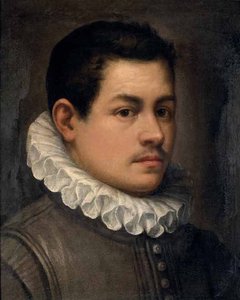
1560–1609, Taliansko
Annibale Carracci
Early Life and the Bolognese Roots Annibale Carracci, narodený v Bologne 3. novembra 1560, pochoval sa z rodiny hlboko zakorenené v umeleckej tradícii. Jeho prvý tréning pravdepodobne prebiehal v starostlivom prostredí svojej rodinnej dielne, kde bol položený základy kariéry, ktorá by zásadne formovala krajinu talianskych maľieb. Bologna vtedy bola živým centrom intelektuálneho a umeleckého fermentu, hoci sa cítila trochu vzdialená od dominantných prúdov vychádzajúcich z Ríma a Benátok.
O umelci Annibale Carracci Významné diela umelca Annibale Carracci
Aj od Annibale Carracci
 Slnko bobuláka
 Heraklesovo rozhodnutie
 Výber Herakla1596
 Rýžová krajina1589

Eseje k dielu Pan
 The Language of Animals in Art: From Ancient Egypt to the RenaissanceExplore the profound history of animal symbolism from Egypt to the Renaissance. Trace these ancient motifs through art history now.
 Annibale Carracci: Bridging Renaissance Ideals & Baroque InnovationExplore the life & art of Annibale Carracci, a pivotal figure bridging Renaissance ideals with Baroque innovation. Discover his masterpiece…
 Divine Beauty: The 25 Most Iconic Masterpieces by Fra AngelicoJourney through the divine beauty of Fra Angelico's finest works. Explore 25 iconic Renaissance masterpieces, from ethereal frescoes to sac…