Portrét Pieter Pietersz Lastman

59 najznámejších obrazov od Pieter Pietersz Lastman, výber z galérie

Aktualizované november 2026 · zoradené podľa našej miery popularity (vyhľadávanie, návštevy a objednávky pre každou prácu) · 60 dielov umelca Pieter Pietersz Lastman v našom katalógu

Stručne povedané

Z všetkých originálov, ktoré Pieter Pietersz Lastman zanechal, je najznámejší The adoration of the kings (1608), ktorý sa nachádza v zbierkach Hermitáž v meste Petrohrad. Hneď za ním nasledujú Abraham and the Three Angels (1623) a The Resurrection (1612). Náš katalóg obsahuje 60 diel od Pieter Pietersz Lastman; galéria si zachovala tých 59, ktoré obdivuje celý svet, pričom každý z nich je prezentovaný spolu s jeho dátumom, múzeou a príbehom.

1583 – 1633, Amsterdam Baroque Najviac diel: Hermitáž

Top 10 obrazov umelca Pieter Pietersz Lastman: výber galérie

1
The adoration of the kings (1608) od Pieter Pietersz Lastman

The adoration of the kings

1608 · Oil On Canvas · Hermitáž, Petrohrad

In 1608, Pieter Lastman painted The adoration of the kings, an oil work that captures a profound moment of religious significance. The scene depicts the biblical episode of the Adoration of the Magi, focusing on the intimate encounter between the divine and the earthly. Within this composition, the Virgin Mary and the Christ Child are the central figures, receiving the homage of the three kings: Melchior, Caspar, and Balthazar. It…

2
Abraham and the Three Angels (1623) od Pieter Pietersz Lastman

Abraham and the Three Angels

1623 · Oil On Panel · Hermitáž, Petrohrad

In this 1623 oil on panel, the biblical patriarch Abraham meets a divine presence through three celestial visitors. Pieter Lastman captures the moment of profound hospitality and revelation that defines this sacred encounter. The scene unfolds with a sense of immediate spiritual weight, as the elderly Abraham kneels in reverence before the visitors. This religious art focuses on the quiet intensity of the meeting, where the mortal realm brushes against…

3
The Resurrection (1612) od Pieter Pietersz Lastman

The Resurrection

1612 · Oil On Canvas · J. Paul Getty Museum, Los Angeles

The Resurrection is a significant oil painting by Pieter Pietersz Lastman, created in 1612. This work captures a pivotal biblical scene, depicting the moment of Christ's Resurrection. The composition focuses on the triumph of the divine over the earthly realm, a theme central to Lastman's narrative approach to religious subjects.

4
The beheading of S. Paul (1601) od Pieter Pietersz Lastman

The beheading of S. Paul

1601 · Oil On Panel · Museum Catharijneconvent, Utrecht

The tension in The beheading of S. Paul by Pieter Lastman hangs heavy in the air. Created about 1601, this work captures a moment of profound religious and visceral intensity. We find ourselves witnessing the martyrdom of Saint Paul, a scene where the spiritual weight of faith meets the brutal reality of physical sacrifice. The air seems to thicken with the gravity of the event as the executioner prepares to…

5
The Rest on the Flight to Egypt (1608) od Pieter Pietersz Lastman

The Rest on the Flight to Egypt

1608 · Oil On Canvas · Gemäldegalerie, Berlín

The shadows of a dense, dark thicket press against the left side of the canvas. Within this cool, shaded sanctuary, three figures find a brief respite. The Virgin Mary, draped in deep blue and red, cradles the Christ Child, whose skin catches a soft, luminous light. Beside them, Saint Joseph sits in the stillness. The composition forms a steady triangle, anchoring the family against the ruggedness of the landscape. To…

6
The baptism of the eunuch (1608) od Pieter Pietersz Lastman

The baptism of the eunuch

1608 · Oil On Panel · Gemäldegalerie, Berlín

The baptism of the eunuch is an oil on panel by Pieter Lastman. The artist, born in Amsterdam in 1583, captured this moment on a surface measuring 85 by 115 cm. A quiet weight resides in the wood, holding the figures within its grain. Lastman lived until 1633, leaving behind this specific window into a biblical encounter.

7
The Baptism of the Moorish Chamberlain (1620) od Pieter Pietersz Lastman

The Baptism of the Moorish Chamberlain

The painting titled The Baptism of the Moorish Chamberlain is an oil work by the Dutch artist Pieter Lastman. This specific piece was executed about 1620. The artist, who was born in Amsterdam in 1583, utilized a painterly technique to render this biblical scene. The composition focuses on a group of figures gathered at a water's edge, involving both individuals on foot and those on horseback.

8
Joseph Selling Corn in Egypt (1612) od Pieter Pietersz Lastman

Joseph Selling Corn in Egypt

1612 · Oil On Canvas · National Gallery of Ireland, Dublin

In this work, titled Joseph Selling Corn in Egypt, the artist Pieter Lastman presents a crowded, dramatic scene of commerce and abundance. The narrative draws from the Book of Genesis, focusing on the period when Joseph, having risen to power in Egypt, manages the distribution of grain during a time of famine. It is a moment of intense human activity, where the necessity of survival meets the organized structure of…

9
Balaam and his Ass (1622) od Pieter Pietersz Lastman

Balaam and his Ass

1622 · Oil · Izraelské múzeum, Jeruzalem

In this work, titled Balaam and his Ass, Pieter Lastman captures a moment of divine interruption. Created about 1622, the painting presents a man on a donkey facing a winged angel. The scene is frozen in a state of sudden tension. A sword is held aloft, cutting through the stillness of the landscape. The figure of Balaam, draped in a deep crimson cloak, reacts to the celestial presence that blocks…

10
Entombment of Christ (1612) od Pieter Pietersz Lastman

Entombment of Christ

1612 · Oil · Palais des Beaux-Arts de Lille, Lille

Pieter Lastman, born in Amsterdam in 1583, executed this oil painting titled Entombment of Christ. The work emerged during the Dutch Golden Age, a period in which Lastman established himself as a significant figure in historical and biblical narrative painting. His approach to religious subject matter focused on the psychological weight of the scene, utilizing the dramatic tension inherent in the moment of Christ's burial.

Výber umelcov Pieter Pietersz Lastman pokračuje, od 11 do 59

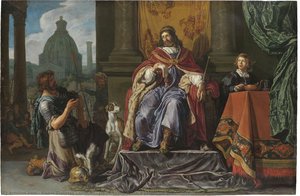
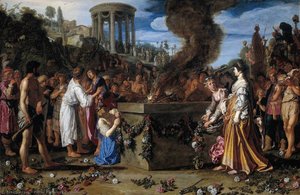
11Hippocrates and Democritus (1622) od Pieter Pietersz LastmanHippocrates and Democritus1622 · Palais des Beaux-Arts de Lille 12King David Handing the Letter to Uriah (1611) od Pieter Pietersz LastmanKing David Handing the Letter to Uriah1611 · Detroit Institute of Arts 13Saint Matthew (1613) od Pieter Pietersz LastmanSaint Matthew1613 · Rhode Island School of Design Museum of Art 14Paris and Oenone (1619) od Pieter Pietersz LastmanParis and Oenone1619 · Worcester Art Museum 15The Raising of Lazarus (1622) od Pieter Pietersz LastmanThe Raising of Lazarus1622 · Mauritshuis 16Tobias catches the fish (1613) od Pieter Pietersz LastmanTobias catches the fish1613 · Fries Museum 17Haman begging Esther for mercy (1618) od Pieter Pietersz LastmanHaman begging Esther for mercy1618 · Národné múzeum vo Varšave 18Wedding Night of Tobias and Sarah (1611) od Pieter Pietersz LastmanWedding Night of Tobias and Sarah1611 · Museum of Fine Arts 19Paul and Barnabas at Lystra (1617) od Pieter Pietersz LastmanPaul and Barnabas at Lystra1617 · Amsterdam Museum 20Ecce Homo (1610) od Pieter Pietersz LastmanEcce Homo1610 · Amsterdam Museum 21David in the temple (1618) od Pieter Pietersz LastmanDavid in the temple1618 · Herzog Anton Ulrich Museum 22The meeting of Nausicaa and Ulysses: Ulysses, almost naked, comes out of the bushes; Nausicaa and her companions are startled at the sight (1609) od Pieter Pietersz LastmanThe meeting of Nausicaa and Ulysses: Ulysses, almost naked, comes out of the bushes; Nausicaa and her companions are startled at the sight1609 · Herzog Anton Ulrich Museum 23The Annunciation of the birth of Samson to Manoah and his wife (Judges 13:2-3) (1617) od Pieter Pietersz LastmanThe Annunciation of the birth of Samson to Manoah and his wife (Judges 13:2-3)1617 · Agnes Etherington Art Center 24The Good Samaritan tending the wounds of the traveller (1614) od Pieter Pietersz LastmanThe Good Samaritan tending the wounds of the traveller1614 25Laban Searching for the Idols (1622) od Pieter Pietersz LastmanLaban Searching for the Idols1622 · château-musée de Boulogne-sur-Mer 26The baptism of the Eunuch (1620) od Pieter Pietersz LastmanThe baptism of the Eunuch1620 · Fondation Custodia 27St John the Baptist Preaching (1627) od Pieter Pietersz LastmanSt John the Baptist Preaching1627 · Mauritshuis 28Hagar and the Angel in the Wilderness (1625) od Pieter Pietersz LastmanHagar and the Angel in the Wilderness1625 · Izraelské múzeum 29Athena and Odysseus (1625) od Pieter Pietersz LastmanAthena and Odysseus1625 · Rembrandthuis 30Dido's Sacrifice to Juno (1630) od Pieter Pietersz LastmanDido's Sacrifice to Juno1630 · Národné múzeum 31The Baptism of the Eunuch (1623) od Pieter Pietersz LastmanThe Baptism of the Eunuch1623 · Staatliche Kunsthalle Karlsruhe 32De gortenteller (1730) od Pieter Pietersz LastmanDe gortenteller1730 · Amsterdam Museum 33Saint John on the Isle of Patmos (1613) od Pieter Pietersz LastmanSaint John on the Isle of Patmos1613 · Museum Boijmans Van Beuningen 34The flight into Egypt (1608) od Pieter Pietersz LastmanThe flight into Egypt1608 · Museum Boijmans Van Beuningen 35Jonah and the Whale (1621) od Pieter Pietersz LastmanJonah and the Whale1621 · Kunstpalast 36The Angel and the Young Tobit with the Fish (1610) od Pieter Pietersz LastmanThe Angel and the Young Tobit with the Fish1610 · Szépművészeti Múzeum 37The Baptism of Christ (1629) od Pieter Pietersz LastmanThe Baptism of Christ1629 · Scottish National Gallery 38David Gives Uriah a Letter for Joab (1619) od Pieter Pietersz LastmanDavid Gives Uriah a Letter for Joab1619 · The Leiden Collection 39LE SACRIFICE D'ABRAHAM od Pieter Pietersz LastmanLE SACRIFICE D'ABRAHAMLouvre 40Haman begging the mercy of Esther (Esther 7:6-7) od Pieter Pietersz LastmanHaman begging the mercy of Esther (Esther 7:6-7)Národné múzeum vo Varšave 41The lamentation of abel od Pieter Pietersz LastmanThe lamentation of abel 42Susanna And The Elders od Pieter Pietersz LastmanSusanna And The EldersGemäldegalerie 43Christ And The Canaanite Woman od Pieter Pietersz LastmanChrist And The Canaanite WomanRijksmuseum 44The Angel Raphael Takes Leave of Old Tobit and his Son Tobias (1618) od Pieter Pietersz LastmanThe Angel Raphael Takes Leave of Old Tobit and his Son Tobias1618 · National Gallery of Denmark 45The Battle of Constantine and Maxentius (1613) od Pieter Pietersz LastmanThe Battle of Constantine and Maxentius1613 · Kunsthalle Bremen 46The Angel And Tobias With The Fish od Pieter Pietersz LastmanThe Angel And Tobias With The Fish 47Juno Discovering Jupiter With Io od Pieter Pietersz LastmanJuno Discovering Jupiter With Io 48The Triumph Of Mordecai od Pieter Pietersz LastmanThe Triumph Of MordecaiRembrandthuis 49The Angel And Tobias With The Fish (detail) od Pieter Pietersz LastmanThe Angel And Tobias With The Fish (detail) 50Hagar and the Angel od Pieter Pietersz LastmanHagar and the AngelLos Angeles County Museum of Art 51Orestes And Pylades Disputing At The Altar od Pieter Pietersz LastmanOrestes And Pylades Disputing At The AltarRijksmuseum 52The Angel Of The Lord Preventing Abraham From Sacrificing His Son Isaac od Pieter Pietersz LastmanThe Angel Of The Lord Preventing Abraham From Sacrificing His Son IsaacPlantin-Moretus Museum 53The Sacrifice Of Abraham od Pieter Pietersz LastmanThe Sacrifice Of AbrahamRijksmuseum 54The Rest on the Flight into Egypt od Pieter Pietersz LastmanThe Rest on the Flight into EgyptNational Gallery 55Juno discovering Jupiter with Io (1618) od Pieter Pietersz LastmanJuno discovering Jupiter with Io1618 · National Gallery 56Bathsheba at her Toilette (1619) od Pieter Pietersz LastmanBathsheba at her Toilette1619 · Hermitáž 57Annunciation od Pieter Pietersz LastmanAnnunciationHermitáž 58Odysseus And Nausicaa od Pieter Pietersz LastmanOdysseus And NausicaaBavarské štátne múzeá výtvarného umenia 59Abraham's Journey To Canaan od Pieter Pietersz LastmanAbraham's Journey To CanaanHermitáž

Slávne obrazy umelca Pieter Pietersz Lastman podľa jednotlivých období

Motívy, ktoré zaujali Pieter Pietersz Lastman

Štyri témy, ktoré sa v týchto origináloch najčastejšie vracajú, každá s jej najvychybenejším príkladom.

Múzeá, ktoré uchovávajú originály umelca Pieter Pietersz Lastman

8 múzeá, v ktorých sa nachádza najviac obrazov z tejto stránky.

Múzeá Mesto Diela umelca Pieter Pietersz Lastman Obrazy z tohto zoznamu
Hermitáž, PetrohradHermitáž Petrohrad 5 The adoration of the kings, Abraham and the Three Angels, Bathsheba at her Toilette
Gemäldegalerie, BerlínGemäldegalerie Berlín 3 The Rest on the Flight to Egypt, The baptism of the eunuch, Susanna And The Elders
Amsterdam Museum, AmsterdamAmsterdam Museum Amsterdam 3 Paul and Barnabas at Lystra, Ecce Homo, De gortenteller
Rijksmuseum, AmsterdamRijksmuseum Amsterdam 3 Christ And The Canaanite Woman, Orestes And Pylades Disputing At The Altar, The Sacrifice Of Abraham
Bavarské štátne múzeá výtvarného umenia, MníchBavarské štátne múzeá výtvarného umenia Mních 2 The Baptism of the Moorish Chamberlain, Odysseus And Nausicaa
Izraelské múzeum, JeruzalemIzraelské múzeum Jeruzalem 2 Balaam and his Ass, Hagar and the Angel in the Wilderness
Palais des Beaux-Arts de Lille, LillePalais des Beaux-Arts de Lille Lille 2 Entombment of Christ, Hippocrates and Democritus
Mauritshuis, HaagMauritshuis Haag 2 The Raising of Lazarus, St John the Baptist Preaching

Pieter Pietersz Lastman dekáda po dekáde: originál, ktorý definuje každú z nich

Diela podľa dekád

Vyberte si dekádu a pozrite si originál, ktorý ju definuje.

Otázky zberateľov o obrazoch od Pieter Pietersz Lastman

Ktorým dielom je Pieter Pietersz Lastman najznámejší/najznámejšia?Odhaľte odpoveď

The adoration of the kings (1608), Hermitáž, Petrohrad. Nasledujú Abraham and the Three Angels (1623) a The Resurrection (1612).

V akom veku bol/a Pieter Pietersz Lastman, keď vzniklo dielo The adoration of the kings?Odhaľte odpoveď

25 rokov: The adoration of the kings vzniklo v roku 1608 a Pieter Pietersz Lastman sa narodil/a v roku 1583.

Ktorých desať najznámejších obrazov má Pieter Pietersz Lastman?Odhaľte odpoveď

The adoration of the kings, Abraham and the Three Angels, The Resurrection, The beheading of S. Paul, The Rest on the Flight to Egypt, The baptism of the eunuch, The Baptism of the Moorish Chamberlain, Joseph Selling Corn in Egypt, Balaam and his Ass a Entombment of Christ. Vyššie uvedené hodnotenie uvádza rok a múzeu pre každé z nich.

Koľko obrazov zanechal umenec Pieter Pietersz Lastman?Odhaľte odpoveď

Náš katalóg obsahuje 60 diel od umelca Pieter Pietersz Lastman z perioda od 1601 do 1630.

V ktorých múzeách visia majstrovské diela umelca Pieter Pietersz Lastman?Odhaľte odpoveď

Väčšinou v Hermitáž (Petrohrad), Gemäldegalerie (Berlín) a Amsterdam Museum (Amsterdam). Tabuľka múzeí vyššie ich všetky uvádza.

V ktorých rokoch vytvoril Pieter Pietersz Lastman svoje najznámejšie diela?Odhaľte odpoveď

V období 1610s: 21 z 59 diel na tejto stránke bolo vytvorených vtedy, pričom The Resurrection z nich.

Aké sú prvé a posledné známe originály od Pieter Pietersz Lastman?Odhaľte odpoveď

Na tejto stránke je najstaršie dielo z The beheading of S. Paul (1601) a najnovšie z Dido's Sacrifice to Juno (1630).

Aké témy si Pieter Pietersz Lastman najčastejšie vyberal/a?Odhaľte odpoveď

Man (20), Woman (16) a People (14), v rámci 59 diel na tejto stránke.

Ktorú techniku používal(a) Pieter Pietersz Lastman najčastejšie?Odhaľte odpoveď

Oil, pre 19 z 59 diel na tejto stránke.

Do ktorého umeleckého smeru patrí Pieter Pietersz Lastman?Odhaľte odpoveď

Baroque a Dutch golden age, podľa originálov na tejto stránke.

Aké diela umelca Pieter Pietersz Lastman sa nachádzajú v múzeu Hermitáž?Odhaľte odpoveď

The adoration of the kings, Abraham and the Three Angels a Bathsheba at her Toilette: múzeá Hermitáž, Petrohrad uchovávajú 5 z diel na tejto stránke.

Pieter Pietersz Lastman: život a dielo

Pionier holandského rozprávania: Trvalý odkaz Pietera Lastmana

Pieter Pietersz Lastman, narodený v Amsterdame v roku 1583, zastáva fascinujúce a kľúčové miesto v rámci histórie holandského ʼzlatého veku´ maliarstva. Hoci bol príliš dlho zastinený svojím najslávnejším žiacom, Rembrandtom van Rijnom, Lastman nebol len učiteľom, ale v skutočnosti revolučným umelcom – pionierom, ktorý revitalizoval historické maliarstvo v Holandsku a položil základy pre dramatické príbehy, ktoré sa stali definíciou tejto éry. Jeho život, hoci relatívne krátky, bol poznačený umeleckou ambíciou, významnou pobytom v Taliansku a neochvakiteľným záväzkom k vyrozprávaniu príbehov prostredníctvom živých obrazov. Lastmanovo skoré detstvo poskytlo úrodnú pôdu pre jeho rozkvitajúci talent; jeho otec, Pieter Segersz, hoci bol kvôli náboženským presvedčeniam odmietnutý zo svojej funkcie mestského radného, v ňom vžil pocit občianskej povinnosti, zatiaľ čo jeho matka, Barber Jacobsdr, mala bystré oko pre umenie ako znalkyňa obrazov a tovaru. Toto rodinné prostredie podporovalo uznanie pre vizuálne umenie aj pre svet mimo plátna. Svoju umeleckú prípravu začal pod vedením Gerrita Pietersza Sweelincka, brata známeho skladateľa Jana Pieterszoona Sweelincka, čím získal pevné základy techniky ešte predtým, než v roku apo 1604 vykročil na svoju transformatívnu cestu do Talianska.

Talianske vplyvy a návrat do Amsterdamu

Lastmanov čas v Taliansku sa ukázal ako rozhodujúci pre formovanie jeho umeleckej vízie. Ponorený do živého umeleckého scéna Ríma, stretol sa s dielami Caravaggia a Adama Elsheimera – umelcov, ktorí hlboko ovplyvnili jeho prístup k maliarstvu. Na rozdiel od vtedajšieho manieristického štýlu, Caravaggiov naturalizmus a dramatické využitie svetla rezonovali s Lastmanom hlboko, zatiaľ čo Elsheimerova precízna detailnosť a zameranie na historické témy poskytli nový smer jeho vlastným naratívnym ambíciám. Prijal taliansku prax oslovovať svoje diela menom „Pietro“, čím demonštroval prijatie tamtejszej kultúrnej atmosféry. Po návrate do Amsterdamu v roku 1607 sa Lastman stal vedúcou postavou v umeleckej komunite mesta. Uvedel sa ako historický maliar – žáner, ktorý bol v holandskom umení mierne zanedbaný – a rýchlo si získal uznanie pre svoje inovatívne kompozície a pútavé rozprávanie príbehov. Jeho ateliér si neskoršie priťahoval talentovaných učňov, najvýraznejšie však Rembrandta van Rijn, ktorý strávil šesť formujúcich mesiacov pod Lastmanovým vedením v roku 1625.

Majster biblického naratívu

Lastmanove maľby sú charakteristické svojou dramatickou intenzitou, precíznym pozornosťou k detailu a hlbokým psychologickým vhľadom do svojich predmetov. Uprednostňoval biblické scény, často si vyberajúc menej známe príbehy, ktoré mu umožnili preskúmať komplexné témy viery, zrady a odkúpenia. Diela ako „Bitva pri Konstantinovi“ exemplifikujú jeho schopnosť vytvárať dynamické kompozície plné pohybu a emócií. Táto scéna nie je len zobrazením historických udalostí, ale mocným výskumom ľudského konfliktu a božskej intervencie. Podobne maľby ako „David dá Uriášovi list pre Joaba“ ukazujú Lastmanovu ochotu čeliť náročným témam – zobrazujúc momenty morálnej neistoty a psychologického napätia. Osobitnú pozornosť venoval tváram, rukám a nohom svojich postáv, imbujúc ich expresívnym detailom, ktorý vyjadroľoval ich vnútorný nepokoj. Jeho použitie farieb bolo odvážne a živé, čo ešte viac umocňovalo emocionálny dopad jeho scén.

Lastmanovo oddedičenie: Formovanie generácie

Vplyv Pietera Lastmana presiahol daleko za jeho vlastnú umeleckú tvorbu. Ako učiteľ zohral kľúčovú úlohu pri formovaní ďalšej generácie holandských maliarov. Rembrandt van Rijn, nepochybne jeho najslávnejší žiak, vstreboval mnohé z Lastmanových techník a naratívnych prístupov – najmä jeho dramatické využitanie svetla a tieňa, jeho zameranie na psychologický realizmus a jeho sklon k biblickým témam. Jan Lievens tiež profitoval z Lastmanovej mentorskej činnosti, pričom si vyvinul podobný štýl charakterizovaný intenzívnou emóciou a dynamickými kompozíciami. Okrem týchto prominentných postáv Lastman mentoroval niekoľko ďalších umelcov, ktorí prispeli k rozkvetu holandského maliarstva zlatého veku. Bol rozhodujúci pri budovaní Amsterdamu ako centra historického maliarstva, čím otvoril cestu pre umelecké inovácie, ktoré definovali 17. storočie. Hoci zomrel relatívne mladý v roku 1633, jeho dopad na holandské umenie zostáva hlboký – je to svedectvo jeho vízie, zručnosti a neochvakateľného záväzku k vyrozprávaniu príbehov pomocou farby.

Objavovanie Lastmana: Rastúca uznanie

Po stáročia boli Lastmanove príspevky často zastinené brilanciou Rembrandta. Nedávny vedecký výskum však začal tento nerovnováhu napravovať a uznáva ho ako kľúčovú postavu v histórii holandského umenia. Ako sa venuje viac pozornosti jeho jednotlivým dielom a jeho vplyvu na iných umelcov, začína sa formovať plnejšie uznanie jeho jedinečných talentov. Múzeá po celom svete prehodnocujú svoje zbierky a vystavujú Lastmanove maľby vedľa diel jeho žakov, čo umožňuje divákom vnímať priamu súvislosť medzi jeho prácou a následnými majstrovskými dielami. Znovuzískanie Lastmana nie je len akademickou cvičeniou, ale vitalným krokom pri pochopení komplexnej evolúcie holandského maliarstva zlatého veku – uznaním príspevku skutočného pioniera, ktorý položil základy jedného z najslávnejších období v histórii umenia.