Portrét Joseph Kriehuber

Obrazy umelca Joseph Kriehuber: 100 najznámejších výtvarných diel prostretých pohľadom galérie

Aktualizované november 2026 · zoradené podľa našej miery popularity (vyhľadávanie, návštevy a objednávky pre každou prácu) · 134 dielov umelca Joseph Kriehuber v našom katalógu

Stručne povedané

Z hľadiska galérie je najznámejším obrazom umelca Joseph Kriehuber dielo Karoline Auguste. Fanny Elssler, Austrian ballerina (1830) a Prince Friedrich of Schwarzenberg (1847) dopĺňajú trojicu, ktorú pozná každé oko. Z 134 diel umelca Joseph Kriehuber v našom katalógu prezentuje galéria nižšie 100 najznámejších, z ktorých je každá originál s uvedeným rokom vzniku, múzeom a unikátnosťou.

1800 – 1876, Viedeň Biedermeier Najviac diel: National Portrait Gallery of Sweden

Top 10 obrazov umelca Joseph Kriehuber v galérii

1
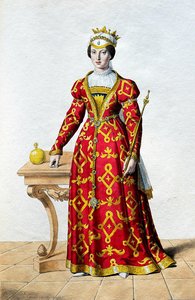
Karoline Auguste od Joseph Kriehuber

Karoline Auguste

Lithograph

In this portrait of Karoline Auguste, we encounter a formal depiction of a woman whose attire and crown suggest a position of significant status. Josef Kriehuber, an Austrian lithographer and painter, captured the subject with a focus on the dignity inherent in her pose. The work presents a quiet, composed presence, emphasizing the details of her clothing and the subtle features of her face. It is a study of character…

2
Fanny Elssler, Austrian ballerina (1830) od Joseph Kriehuber

Fanny Elssler, Austrian ballerina

1830 · Lithography

The lithograph captures a moment of stillness in a life of movement. Fanny Elssler sits in a three-quarter view, her gaze drifting slightly away from the viewer toward an unseen point. She is an Austrian ballerina, frozen in a monochromatic world of silver and charcoal. Her posture is upright, a column of poise that suggests the quiet discipline behind the public spectacle of dance. The light is diffused, washing over…

3
Prince Friedrich of Schwarzenberg (1847) od Joseph Kriehuber

Prince Friedrich of Schwarzenberg

1847 · Lithograph · Metropolitné múzeum umenia, New York

This striking portrait captures Prince Friedrich of Schwarzenberg in the charged atmosphere of 1847. The subject is presented not merely as an individual, but as an embodiment of military bearing and societal importance during a pivotal era in European history. Clad in the formal accoutrements of his station—the crisp lines of his uniform, the authoritative gleam of the sword held at hand—he commands attention. The monochrome quality of the piece…

4
Josef Lanner, Austrian Composer (1825) od Joseph Kriehuber

Josef Lanner, Austrian Composer

1825 · Lithograph

This monochrome portrait, titled Josef Lanner, Austrian Composer, was created by the artist Josef Kriehuber. The work depicts the Austrian composer Josef Lanner in a bust-length composition. The subject is presented as a gentleman of the era, shown from the chest up and facing slightly toward the viewer's left. The image is rendered in grayscale, utilizing varying shades of gray to define the form of the figure against a simple,…

5
Anton Bernhard Fürstenau, German flutist and composer (1830) od Joseph Kriehuber

Anton Bernhard Fürstenau, German flutist and composer

1830 · Engraving

This monochrome engraving presents a bust-length portrait of Johann Baptist Forster, identified as the First Royal Magistrate of Saxony. The subject is positioned centrally against a dark, undifferentiated background, which focuses attention on the facial features and the formal attire. The composition follows a Neoclassical structure, emphasizing a realistic depiction of the man's physical presence. Light originates from above and slightly in front, casting highlights onto the forehead and the…

6
Ernst and Eduard Eichhorn, violin prodigies (1831) od Joseph Kriehuber

Ernst and Eduard Eichhorn, violin prodigies

1831 · Lithograph

Josef Kriehuber produced Ernst and Eduard Eichhorn, violin prodigies, a black and white lithograph portrait. The work dates to about 1831. It captures the likeness of the two young musicians, Ernst and Eduard Eichhorn, who are identified as violin prodigies.

7
Karl von Rothkirch-Panthen, Bohemian-Austrian politician (1828) od Joseph Kriehuber

Karl von Rothkirch-Panthen, Bohemian-Austrian politician

1828 · Lithography

The gaze of Karl von Rothkirch-Panthen, Bohemian-Austrian politician, meets the viewer through this striking lithograph. Josef Kriehuber captures the man in a moment of quiet dignity, presenting a figure of significant social and political weight. This portrait offers a window into the life of a man who navigated the complex corridors of power, eventually serving as a member of the Chamber of Deputies of the Imperial Council of Austria. Even…

8
Joseph Böhm, Hungarian Violinist and a director of the Vienna Conservatory (1830) od Joseph Kriehuber

Joseph Böhm, Hungarian Violinist and a director of the Vienna Conservatory

1830 · Lithograph

This lithograph, titled "Joseph Böhm, Hungarian Violinist and a director of the Vienna Conservatory" by Josef Kriehuber, depicts the subject in a formal bust-length view. The portrait captures Joseph Böhm, a Hungarian violinist who held the position of professor at the Vienna Conservatory from 1819 to 1848. The image is rendered in a monochrome grayscale palette, utilizing fine lines to define the contours of the subject's face and attire. He…

9
Bulcs (1828) od Joseph Kriehuber

Bulcs

1828 · Lithograph

A man stands centered against a muted, mountainous landscape, his gaze fixed and stern. He is a figure of history, or perhaps a memory of one, draped in the heavy textures of a warrior's attire. The light falls evenly across his face, revealing the fine, etched lines of his features and the sharp edges of his weaponry. He holds an axe, a bow, and arrows, tools of a life defined…

10
Ferdinand III (1828) od Joseph Kriehuber

Ferdinand III

1828 · Lithograph

This portrait of Ferdinand III, executed by Josef Kriehuber, offers a quiet study of authority from the early nineteenth century. Created in 1828, the work captures the subject in a moment of formal repose. Kriehuber focuses on the dignity of the sitter, presenting him in full regal attire that signals his high status. The portrait provides a clear, direct encounter with a figure of historical significance.

Obrazy umelca Joseph Kriehuber, usporiadané od 11 do 100

11Vladislav II (1828) od Joseph KriehuberVladislav II1828 12Leopold I (1828) od Joseph KriehuberLeopold I1828 13Joseph II (1828) od Joseph KriehuberJoseph II1828 14Karl VI (1828) od Joseph KriehuberKarl VI1828 15Koloman (1828) od Joseph KriehuberKoloman1828 16Ferdinand I of Austria (1828) od Joseph KriehuberFerdinand I of Austria1828 17Taksony (1828) od Joseph KriehuberTaksony1828 18Lehel (1828) od Joseph KriehuberLehel1828 19Bela III (1828) od Joseph KriehuberBela III1828 20Ludwig I (1828) od Joseph KriehuberLudwig I1828 21Geza (1828) od Joseph KriehuberGeza1828 22Franz II (1828) od Joseph KriehuberFranz II1828 23Johann Zapolya (1828) od Joseph KriehuberJohann Zapolya1828 24Keve, legendary Hungarian military leader (1828) od Joseph KriehuberKeve, legendary Hungarian military leader1828 25Geza I (1828) od Joseph KriehuberGeza I1828 26Austrian Family, The Mother (1827) od Joseph KriehuberAustrian Family, The Mother1827 27Austrian Family, the Father (1827) od Joseph KriehuberAustrian Family, the Father1827 28Stephan V (1828) od Joseph KriehuberStephan V1828 29Ladislaus IV (1828) od Joseph KriehuberLadislaus IV1828 30Stephan II (1828) od Joseph KriehuberStephan II1828 31Matthias Corvinus (1828) od Joseph KriehuberMatthias Corvinus1828 32Ladislaus (1828) od Joseph KriehuberLadislaus1828 33Austrian Family, The Son (1827) od Joseph KriehuberAustrian Family, The Son1827 34Stephan IV (1828) od Joseph KriehuberStephan IV1828 35Emmerich (1828) od Joseph KriehuberEmmerich1828 36Stephan III (1828) od Joseph KriehuberStephan III1828 37Ladislaus V (1828) od Joseph KriehuberLadislaus V1828 38Ladislaus III (1828) od Joseph KriehuberLadislaus III1828 39Karl I (1828) od Joseph KriehuberKarl I1828 40Austrian Family, The Daughters (1827) od Joseph KriehuberAustrian Family, The Daughters1827 41Ladislaus II (1828) od Joseph KriehuberLadislaus II1828 42Andreas II (c.1177-1235), King on Hungary from 1205 to 1235 (1828) od Joseph KriehuberAndreas II (c.1177-1235), King on Hungary from 1205 to 12351828 43Keme, legendary Hungarian military leader (1828) od Joseph KriehuberKeme, legendary Hungarian military leader1828 44Attila, King of the Huns (1828) od Joseph KriehuberAttila, King of the Huns1828 45Wenzel III (1828) od Joseph KriehuberWenzel III1828 46Sabolch, legendary Hungarian military leader (1828) od Joseph KriehuberSabolch, legendary Hungarian military leader1828 47Kadicha, legendary Hungarian military leader (1828) od Joseph KriehuberKadicha, legendary Hungarian military leader1828 48Andreas I (c.1015-1060), King on Hungary from 1046 to 1060 (1828) od Joseph KriehuberAndreas I (c.1015-1060), King on Hungary from 1046 to 10601828 49Wladislaw I (1828) od Joseph KriehuberWladislaw I1828 50Elizabeth of Luxembourg (1828) od Joseph KriehuberElizabeth of Luxembourg1828 51Samuel Aba (1828) od Joseph KriehuberSamuel Aba1828 52Buda, legendary Hungarian military leader, namesake of Budapest (1828) od Joseph KriehuberBuda, legendary Hungarian military leader, namesake of Budapest1828 53Andreas III (c.1265-1301), King on Hungary from 1290 to 1301 (1828) od Joseph KriehuberAndreas III (c.1265-1301), King on Hungary from 1290 to 13011828 54Maria I (1828) od Joseph KriehuberMaria I1828 55Arpad, Grand Prince of the Hungarians (1828) od Joseph KriehuberArpad, Grand Prince of the Hungarians1828 56Karl Gustav Löwenhielm (1790-1858), count, lieutenant general, governor, married to 1. countess Gustava Charlotta Jacobina Aurora Gyldenstolpe 2. countess Natalie Alexandra von Buxhoeweden (1836) od Joseph KriehuberKarl Gustav Löwenhielm (1790-1858), count, lieutenant general, governor, married to 1. countess Gustava Charlotta Jacobina Aurora Gyldenstolpe 2. countess Natalie Alexandra von Buxhoeweden1836 · National Portrait Gallery of Sweden 57Natalie Alexandra von Buxhoeweden (1814-1867), countess, maid of honour of Alexandra Fjodorovna of Russia, married to count Karl Gustav Löwenhielm (1839) od Joseph KriehuberNatalie Alexandra von Buxhoeweden (1814-1867), countess, maid of honour of Alexandra Fjodorovna of Russia, married to count Karl Gustav Löwenhielm1839 · National Portrait Gallery of Sweden 58Josef Zinner Forstmeister, Matthias Zinner Hofjäger, Ferdinand Zinner Hofjäger (1835) od Joseph KriehuberJosef Zinner Forstmeister, Matthias Zinner Hofjäger, Ferdinand Zinner Hofjäger1835 59Robert Schumann, Austrian Composer (1839) od Joseph KriehuberRobert Schumann, Austrian Composer1839 60Christoph Graf Cavriani with his son Franz (1836) od Joseph KriehuberChristoph Graf Cavriani with his son Franz1836 61Karl Josef Lipinsky, Polish music composer and virtuoso violinist (1837) od Joseph KriehuberKarl Josef Lipinsky, Polish music composer and virtuoso violinist1837 62Countess Ludmilla Csaky, née Lazansky Von Bukowa with her son Ladislaus Csaky Graf Von Körösszegh U. Adorjan, politician (1839) od Joseph KriehuberCountess Ludmilla Csaky, née Lazansky Von Bukowa with her son Ladislaus Csaky Graf Von Körösszegh U. Adorjan, politician1839 63Le Comte Guillaume Isidore De Montbel (1836) od Joseph KriehuberLe Comte Guillaume Isidore De Montbel1836 64Children (1836) od Joseph KriehuberChildren1836 65Gentleman in riding costume (1838) od Joseph KriehuberGentleman in riding costume1838 66A Morning with Liszt (Hungarian Composer) (1846) od Joseph KriehuberA Morning with Liszt (Hungarian Composer)1846 67Giorgio Ronconi, Italian Baritone (1840) od Joseph KriehuberGiorgio Ronconi, Italian Baritone1840 68Thomas Lederer, Doctor and homeopath (1846) od Joseph KriehuberThomas Lederer, Doctor and homeopath1846 69Filippo Coletti, Italian Baritone (1841) od Joseph KriehuberFilippo Coletti, Italian Baritone1841 70Aloius Rubana, civil servant and councilor (1841) od Joseph KriehuberAloius Rubana, civil servant and councilor1841 71Aloisia Eleonore Schönburg-Hartstein With children (1841) od Joseph KriehuberAloisia Eleonore Schönburg-Hartstein With children1841 72Maria, née Czernin, and her daughter Wilhelmine Kinsky. Countess. (1844) od Joseph KriehuberMaria, née Czernin, and her daughter Wilhelmine Kinsky. Countess.1844 73The Counts Jaromir, Rudolf, Herrmann and Humbert Czernin (1847) od Joseph KriehuberThe Counts Jaromir, Rudolf, Herrmann and Humbert Czernin1847 74Eduard Woyna (1840) od Joseph KriehuberEduard Woyna1840 75Franz Schubert, Austrian Composer (Posthumous Lithography) (1846) od Joseph KriehuberFranz Schubert, Austrian Composer (Posthumous Lithography)1846 76Count Georg Esterházy Von Galántha (1840) od Joseph KriehuberCount Georg Esterházy Von Galántha1840 77The Archdukes Franz Joseph, Ferdinand Max and Carl Ludwig (1844) od Joseph KriehuberThe Archdukes Franz Joseph, Ferdinand Max and Carl Ludwig1844 78Portrait of Emperor Franz Joseph I at 23 Years of Age (1853) od Joseph KriehuberPortrait of Emperor Franz Joseph I at 23 Years of Age1853 79Baron Heinrich von Hess, Austrian General (Field Marshal) (1854) od Joseph KriehuberBaron Heinrich von Hess, Austrian General (Field Marshal)1854 80Brothers Kleins (1849) od Joseph KriehuberBrothers Kleins1849 81Baron Carl von Ghega, Austrian railway engineer (1851) od Joseph KriehuberBaron Carl von Ghega, Austrian railway engineer1851 82Antonie Countess Batthyany, bourn Zichy. Wife of Ludwig Graf Batthyany (1849) od Joseph KriehuberAntonie Countess Batthyany, bourn Zichy. Wife of Ludwig Graf Batthyany1849 83Josef Kriehuber, Austrian Lithographer and Artist (Self-Portrait) (1852) od Joseph KriehuberJosef Kriehuber, Austrian Lithographer and Artist (Self-Portrait)1852 84Karl Von Giskra, Austrian Politician (1861) od Joseph KriehuberKarl Von Giskra, Austrian Politician1861 85Ludwig Gabillon, German actor of the Burgtheater and theatre director (1860) od Joseph KriehuberLudwig Gabillon, German actor of the Burgtheater and theatre director1860 86Josef Unger, Austrian jurist and statesman (1861) od Joseph KriehuberJosef Unger, Austrian jurist and statesman1861 87Franz Joseph I of Austria, Emperor of Austria (1860) od Joseph KriehuberFranz Joseph I of Austria, Emperor of Austria1860 88Max Von Gomperz, Austrian industrialist and banker (1860) od Joseph KriehuberMax Von Gomperz, Austrian industrialist and banker1860 89Josef Kriehuber, Austrian Lithographer (Self-portrait) (1860) od Joseph KriehuberJosef Kriehuber, Austrian Lithographer (Self-portrait)1860 90Gabriele Saaint-Genois, b. Countess Stolberg with her daughter Anna (1858) od Joseph KriehuberGabriele Saaint-Genois, b. Countess Stolberg with her daughter Anna1858 91Sir Julius Benedict, German-born composer and conductor (1861) od Joseph KriehuberSir Julius Benedict, German-born composer and conductor1861 92Duchess Elisabeth of Bavaria, Empress of Austria (Sisi / Sissi) (1863) od Joseph KriehuberDuchess Elisabeth of Bavaria, Empress of Austria (Sisi / Sissi)1863 93August Förster, German actor and theatre director (1863) od Joseph KriehuberAugust Förster, German actor and theatre director1863 94Johann Emanuel Veith, Bohemian, Roman Catholic preacher (1860) od Joseph KriehuberJohann Emanuel Veith, Bohemian, Roman Catholic preacher1860 95Portrait of a young woman with a rose (1859) od Joseph KriehuberPortrait of a young woman with a rose1859 96Empress Elisabeth of Austria with her children Rudolf and Gisela (1858) od Joseph KriehuberEmpress Elisabeth of Austria with her children Rudolf and Gisela1858 97Portrait of a gentleman with a top hat (1863) od Joseph KriehuberPortrait of a gentleman with a top hat1863 98Portrait of a lady in a blue dress (1856) od Joseph KriehuberPortrait of a lady in a blue dress1856 99Portrait of a country lady in a brown dress (1862) od Joseph KriehuberPortrait of a country lady in a brown dress1862 100Vuk Karadžić, Serbian philologist, linguist and one of the most important reformers of the modern Serbian language (1865) od Joseph KriehuberVuk Karadžić, Serbian philologist, linguist and one of the most important reformers of the modern Serbian language1865

Slávne obrazy umelca Joseph Kriehuber podľa jednotlivých období

Motívy, ktoré zaujali Joseph Kriehuber

Štyri témy, ktoré sa v týchto origináloch najčastejšie vracajú, každá s jej najvychybenejším príkladom.

Múzeá, ktoré uchovávajú originály umelca Joseph Kriehuber

2 múzeá, v ktorých sa nachádza najviac obrazov z tejto stránky.

Múzeá Mesto Diela umelca Joseph Kriehuber Obrazy z tohto zoznamu
National Portrait Gallery of Sweden, SträngnäsNational Portrait Gallery of Sweden Strängnäs 2 Karl Gustav Löwenhielm (1790-1858), count, lieutenant general, governor, married to 1. countess Gustava Charlotta Jacobina Aurora Gyldenstolpe 2. countess Natalie Alexandra von Buxhoeweden, Natalie Alexandra von Buxhoeweden (1814-1867), countess, maid of honour of Alexandra Fjodorovna of Russia, married to count Karl Gustav Löwenhielm
Metropolitné múzeum umenia, New YorkMetropolitné múzeum umenia New York 1 Prince Friedrich of Schwarzenberg

Joseph Kriehuber, jeden ikonický obraz na každé desaťročie

Diela podľa dekád

Vyberte si dekádu a pozrite si originál, ktorý ju definuje.

Obrazy umelca Joseph Kriehuber: odpovede galérie

Ktorý obraz od Joseph Kriehuber je najznámejší zo všetkých?Odhaľte odpoveď

Karoline Auguste. Nasledujú Fanny Elssler, Austrian ballerina (1830) a Prince Friedrich of Schwarzenberg (1847).

Ktorých 10 najlepších obrazov má Joseph Kriehuber?Odhaľte odpoveď

Karoline Auguste, Fanny Elssler, Austrian ballerina, Prince Friedrich of Schwarzenberg, Josef Lanner, Austrian Composer, Anton Bernhard Fürstenau, German flutist and composer, Ernst and Eduard Eichhorn, violin prodigies, Karl von Rothkirch-Panthen, Bohemian-Austrian politician, Joseph Böhm, Hungarian Violinist and a director of the Vienna Conservatory, Bulcs a Ferdinand III. Vyššie uvedené hodnotenie uvádza rok a múzeu pre každé z nich.

Koľko diel vytvoril/a Joseph Kriehuber?Odhaľte odpoveď

Náš katalóg obsahuje 134 diel od umelca Joseph Kriehuber z perioda od 1825 do 1865.

Kde visia najznámejšie originály umelca Joseph Kriehuber?Odhaľte odpoveď

Väčšinou v National Portrait Gallery of Sweden (Strängnäs) a Metropolitné múzeum umenia (New York). Tabuľka múzeí vyššie ich všetky uvádza.

Kedy vytvoril/a Joseph Kriehuber svoje najznámejšie obrazy?Odhaľte odpoveď

V období 1820s: 49 z 100 diel na tejto stránke bolo vytvorených vtedy, pričom Josef Lanner, Austrian Composer z nich.

Aké sú najskoršie a najneskoršie známe diela umelca Joseph Kriehuber?Odhaľte odpoveď

Na tejto stránke je najstaršie dielo z Josef Lanner, Austrian Composer (1825) a najnovšie z Vuk Karadžić, Serbian philologist, linguist and one of the most important reformers of the modern Serbian language (1865).

K akým témamam sa Joseph Kriehuber najčastejšie vracia?Odhaľte odpoveď

Man (62), Portrait (31) a Crown (25), v rámci 100 diel na tejto stránke.

V akom médiu tvoril/a Joseph Kriehuber najčastejšie?Odhaľte odpoveď

Lithograph, pre 56 z 100 diel na tejto stránke.

S ktorým smerom je spojený/á umenec Joseph Kriehuber?Odhaľte odpoveď

Biedermeier, podľa originálov na tejto stránke.

Aké originály umelca Joseph Kriehuber má v zbierkach National Portrait Gallery of Sweden?Odhaľte odpoveď

Karl Gustav Löwenhielm (1790-1858), count, lieutenant general, governor, married to 1. countess Gustava Charlotta Jacobina Aurora Gyldenstolpe 2. countess Natalie Alexandra von Buxhoeweden a Natalie Alexandra von Buxhoeweden (1814-1867), countess, maid of honour of Alexandra Fjodorovna of Russia, married to count Karl Gustav Löwenhielm: múzeá National Portrait Gallery of Sweden, Strängnäs uchovávajú 2 z diel na tejto stránke.

Joseph Kriehuber: umelec

A Chronicler of Viennese Society: The Life and Art of Josef Kriehuber

Josef Kriehuber, narodený 15. decembra 1800 viedeňskej štvrti Viedeň, sa stal jedným z najvýznamnejších a najproduktívnych litografov svojej doby. Jeho dielo nie je len zbierkou portrétov; je to komplexný vizuálny záznam životaa spoločnosti 19. storočia v srdci Rakúska. Kriehuber sa nestratil do monumentálnych historických príbehov ani mytologických alegórií, ale zameriaval sa s intenzívnou dôslednosťou na jemné detaily každodenného života, čím sa stal neoceniteľným kronikárom viedenskej spoločnosti prostredníctvom novovznikajúceho média litografie. Jeho cesta začala formálnym vzdelávaním na Viedeňskej akadémii umení pod vedením Huberta Maurera, no práve jeho obdoba s litografiou definovala jeho kariéru a odkaz. Táto inovatívna technika umožnila relatívne rýchle a cenovo dostupné reprodukcie obrazov, čo demokratizovalo portrétovanie a učinilo ho dostupným pre širšie publikum ako kedykoľvek predtým – publika, ktorému Kriehuber s neochabujúcou oddanosťou slúžil. Nebol len reproduktorom podobnosti; vytváral vizuálne záznamy o postavení, osobnosti a samotnej duši éry.

The Biedermeier Portraitist: A Window into an Era

Kriehuberov umelecký rozvoj prosperoval v kontexte obdobia biedermeiera (približne 1815-1848). Toto obdobie, narodené z následkov Napoleonových nepokojov, podporovalo zameranie na domácnosť, jednoduchosť a dennodenný život. Tieto hodnoty hlboko rezonovali s jeho citmi. Hoci začal skúmať krajinské litografie, portrétovanie je, kde sa jeho talent skutočne rozvinul. Stal sa neobvykle produktívnym, vytvoril viac ako 3000 litografií počas svojej kariéry – úctyhodný počet, ktorý hovorí o jeho zručnostiach a obrovskom stavebnom záujme o jeho dielo. Jeho klientela zahŕňala celý spektrogram viedenskej spoločnosti: šľachtici, úradníci, vedúce osobnosti a tí, ktorí sa chceli uistiť, že ich obraz alebo obraz ich blízkych bude trvalo zachovaný. Kriehuberove portréty neboli idealizované fantázie; boli to pozoruhodne presné reprezentácie, naplnené pocitom charakteru a spoločenského postavenia. Vlastnil neobvyklú schopnosť zachytiť nielen fyzickú podobnosť, ale aj vnútornej život svojich subjektov, čím vytvoril každý portrét jedinečné psychologické štúdium. Jeho dôsledná pozornosť k detailom, kombinovaná s jemným porozumením ľudskej výrazy, mu umožnila vytvárať portréty, ktoré boli zároveň intímne a odhaľujúce.

Beyond Likeness: Documenting Vienna’s Cultural Landscape

Kriehuberov umelecký zrak však nebol obmedzený len na jednotlivé reprezentácie. Rozpoznal dôležitosť dokumentovania samotného urbánneho prostredia, najmä živú atmosféru viedenskej prašiarne (Prater). Jeho litografie zobrazujúce scény z Prašiarne ponúkajú neoceniteľné pohľady na viedenský život a kultúru 19. storočia. Neboli to len malebné výhľadové; boli to zážitky z spoločnosti, ktoré odkrývajú detaily o móde, sociálnych interakciách a rekreačných návykoch tej doby. Prostredníctvom týchto štúdií sa Kriehuber premenil na vizuálneho historika, zachovávajúc pre budúce generácie obrazy a zvuky rýchlo meniaceho sa mesta. Zachytával energiu a vzrušenie Prašiarne, prezentoval jej rôzne atrakcie a ľudí, ktorí prichádzali si ich užívať. Táto oddanosť zachyteniu esencie Viedne zabezpečila mu miesto ako dôležitého pozorovateľa rakúskej spoločnosti.

Influences and Artistic Style

Presné určení umeleckých vplyvov na Kriehuber je ťažké; nebol priamo imitátorom konkrétneho majstra ani sa neplne držal prísnejho štýlového školy. Avšak jeho oddanosť realizmu spadá do širších umeleckých trendov doby, odráža sa v rastúcom želaní na presné reprezentácie v umení. Bol súčasníkom iných portrétnych umelcov, ale vynikal sa prostredníctvom obrovského počtu a konzistentnosti svojho diela, ako aj jeho zručnosťou v litografii. Jeho štýl je charakterizovaný dôslednou presnosťou, precíznym kreslením a schopnosťou vyjadriť nielen fyzickú podobnosť, ale aj vnútorný charakter tých, ktorých zobrazuje. Nebol zaujatý monumentálnymi gestami alebo dramatickými kompozíciami; namiesto toho sa zameriaval na zachytávanie jemných nuancií výrazu a osobnosti. Tento skromný prístup, kombinovaný s jeho technickou zručnosťou, robil jeho portréty veľmi žiadané medzi týmitoľnými, ktorí hľadali vernú a zároveň milosrdnú reprezentáciu seba samých.
  • Technická mašterskosť: Kriehuberova odborná znalosť litografie mu umožnila dosiahnuť pozoruhodný detail a tónový rozsah.
  • Realizmus a presnosť: Jeho portréty sú známe svojou vernou reprezentáciou subjektov.
  • Psychologický vhled: Zachytával nielen fyzickú podobnosť, ale aj vnútorný charakter tých, ktorých zobrazoval.

Legacy and Recognition: A Lasting Impression

Kriehuberov vplyv sa rozšiel za jeho produktívny výstup. Slúžil ako učiteľ na prestížnej Viedeňskej akadémii umenia, kde vychovával ďalšie generácie umelcov a prenášal svoju technickú zručnosť. V roku 1860 dostal významné uznanie v podobe Radu Františka Jozefa I., ktorý odovzdal za jeho prínos rakúsскому umeniu. Avšak nárast fotografie koncom jeho života predstavoval výzvu pre jeho povolanie. Ako sa portrétovanie fotografiou stalo dostupnejším a cenovo dostupnejším, dopyt po litografických portrétoch klesol, čo viedlo k finančnej ťažkosti v neskorších rokoch jeho života. Napriek tomu pokračoval v práci až do svojej smrti 30. mája 1876, zanechal za sebou neoceniteľný súbor diel, ktorý nás dodnes fascinuje a informuje. Jeho odkaz nespočíva len v obrovskom počte portrétov, ktoré vytvoril, ale aj v ich historickej dôležitosti ako vizuálneho záznamu života rakúskej spoločnosti 19. storočia. Jeho diela sú uložené v múzeách a galériách po celom Rakúsku, zabezpečujúce tak jeho odkaz pre budúce generácie. *Jeho dielo je dôkazom síl pozorovania a trvalého záujmu o zachytávanie ľudského ducha.*