


1


Aktualizované október 2026 · zoradené podľa našej miery popularity (vyhľadávanie, návštevy a objednávky pre každou prácu) · 8 dielov umelca Domenico Corvi v našom katalógu
Stručne povedané
Z všetkých originálov, ktoré Domenico Corvi zanechal, je najznámejší The Glorification of Andrea Doria (1750), ktorý sa nachádza v zbierkach Minneapolis Institute of Art v meste Minneapolis. Hneď za ním nasledujú Camillus and the Schoolmaster of Falerii (1764) a Allegory of Painting (1764). Náš katalóg obsahuje 8 diel od Domenico Corvi; galéria si zachovala tých 8, ktoré obdivuje celý svet, pričom každý z nich je prezentovaný spolu s jeho dátumom, múzeou a príbehom.


6 múzeá, v ktorých sa nachádza najviac obrazov z tejto stránky.
| Múzeá | Mesto | Diela umelca Domenico Corvi | Obrazy z tohto zoznamu |
|---|---|---|---|
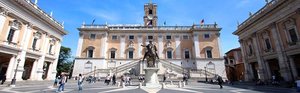 Kapitolské múzeá |
Rím | 2 | Camillus and the Schoolmaster of Falerii, The Vestal Tuccia |
 Minneapolis Institute of Art |
Minneapolis | 1 | The Glorification of Andrea Doria |
 Walters Art Museum |
Baltimore | 1 | Allegory of Painting |
 Škótska národná galéria portrétov |
Edinburgh | 1 | David Allan, 1744 - 1796. Artist |
 Accademia di San Luca |
Rím | 1 | Self-portrait |
 Museum of Fine Arts |
Boston | 1 | Virgin and Child |
Vyberte si dekádu a pozrite si originál, ktorý ju definuje.
The Glorification of Andrea Doria (1750), Minneapolis Institute of Art, Minneapolis. Nasledujú Camillus and the Schoolmaster of Falerii (1764) a Allegory of Painting (1764).
29 rokov: The Glorification of Andrea Doria vzniklo v roku 1750 a Domenico Corvi sa narodil/a v roku 1721.
Náš katalóg obsahuje 8 diel od umelca Domenico Corvi z perioda od 1750 do 1803.
Väčšinou v Kapitolské múzeá (Rím), Minneapolis Institute of Art (Minneapolis) a Walters Art Museum (Baltimore). Tabuľka múzeí vyššie ich všetky uvádza.
V období 1760s: 2 z 8 diel na tejto stránke bolo vytvorených vtedy, pričom Camillus and the Schoolmaster of Falerii z nich.
Na tejto stránke je najstaršie dielo z The Glorification of Andrea Doria (1750) a najnovšie z Self-portrait (1803).
Camillus and the Schoolmaster of Falerii a The Vestal Tuccia: múzeá Kapitolské múzeá, Rím uchovávajú 2 z diel na tejto stránke.
Domenico Corvi was an Italian painter active during the close of the 18th century. Born in Viterbo, he moved to Rome to work under Francesco Mancini. His early career involved works in Viterbo and Palestrina, as well as the decoration of churches in and around Rome. In 1750, he won first prize at the Accademia di San Luca, later becoming a full member in 1756. During this time, he returned to his native Viterbo to participate in decorating the church of the Gonfalone, contributing roundels of the apostles Saints Simon and Jude and a scene of the Beheading of Saint John the Baptist.
Corvi's professional journey included significant commissions for various patrons. His works include:
In his later years, Corvi engaged in church decoration throughout Italy, spanning from Ravenna to Pisa, and from Venice to Spoleto. His ecclesiastical commissions included large canvases for the Cathedral of St. Ursus in Solothurn, Switzerland, featuring The Last Supper, the Coronation of the Virgin, the Incredulity of Saint Thomas, and the Pentecost.
Corvi held several official positions within the Accademia di San Luca. From 1757, he served as the director of the Scuola del Nudo at Campodoglio. His pupils included Giuseppe Cades, Francesco Alberi, and Vincenzo Camuccini. He died in Rome.