Santa Maria Assunta: A Casentino Gem – Echoes of Faith and Renaissance Craftsmanship
Nestled within the verdant embrace of the Casentino valley in Italy, the Santa Maria Assunta church in Stia stands as a testament to centuries of devotion and artistic evolution. More than just a place of worship, this Romanesque marvel offers a captivating journey through regional history, architectural styles, and the enduring power of faith expressed through art. Founded initially as a Pieve – a rural parish church – Santa Maria Assunta’s story unfolds across diverse eras, culminating in a harmonious blend of Romanesque solidity and the elegant flourishes of the 18th century. The church's unique identity is largely defined by its striking bell tower, a landmark that immediately draws the eye and hints at the layered narrative contained within its walls.
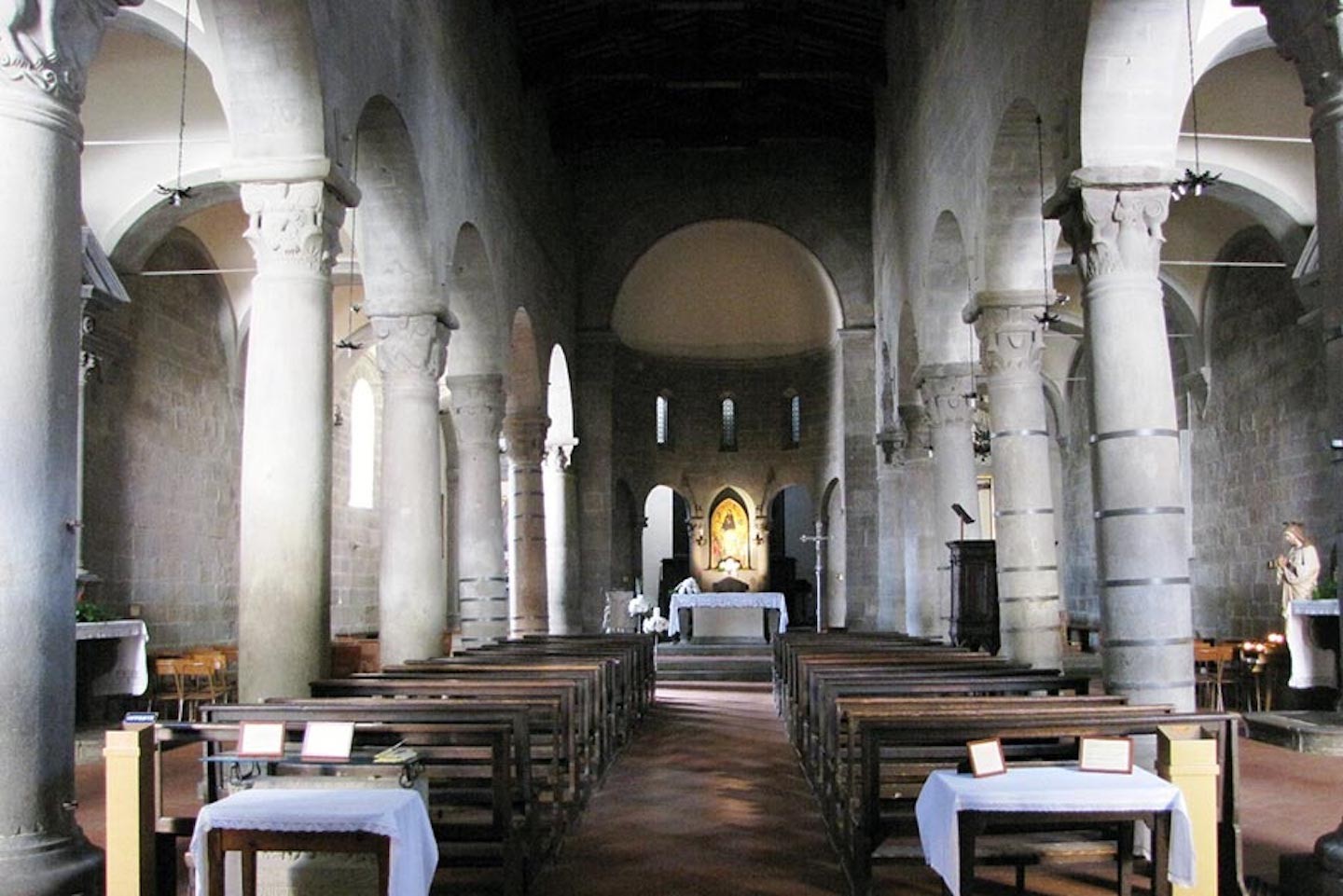
The church’s architectural foundation lies firmly in the Romanesque tradition, evident in its robust structure and the impressive monolithic columns supporting the nave. These columns, adorned with capitals depicting intricate floral motifs and stylized figures – a hallmark of the period – speak to the skilled craftsmanship of the early builders. However, Santa Maria Assunta is not frozen in time. A significant transformation occurred during the 18th century, when the original façade was dramatically altered, reflecting the Baroque influence prevalent at the time. This addition, while distinct from the Romanesque core, contributes significantly to the church’s visual drama and showcases a deliberate shift in artistic expression. The bell tower itself is a particularly noteworthy feature, its design setting it apart from other religious buildings in Tuscany – a bold statement of local identity.
A Tapestry of Artistic Treasures
Within Santa Maria Assunta's interior, visitors are treated to a remarkable collection of artworks spanning several centuries. The church’s Romanesque foundations retain their original layout, with a spacious nave and two side aisles, creating an atmosphere of solemn grandeur. Early additions, including the 15th-century Baptistery, further enrich the space. But it is the 18th-century embellishments that truly captivate – a testament to the evolving tastes and artistic sensibilities of the era.
- Romanesque Legacy: The church’s original Romanesque structure offers a glimpse into the artistry of the 12th century, with its impressive sandstone columns and capitals.
- Baroque Splendor: The 18th-century façade and subsequent additions showcase Baroque influences, adding a layer of opulence and dynamism to the church’s appearance.
- Notable Works: Among the treasures housed within are a stunning Annunciation attributed to Bicci di Lorenzo (1408), a Preaching of the Baptist by Giovan Domenico Ferretti, and a remarkable wooden crucifix from the 16th century.
The collection doesn’t stop at paintings; it includes exquisite terracotta ciboriums crafted by Santi and Giovanni Buglioni around 1526, and a Madonna and Child sculpture by Andrea della Robbia (circa 1490), demonstrating the exceptional skill of local artisans. A particularly poignant piece is the 13th-century panel depicting the Madonna and Child, attributed to the Master of Varlungo, alongside another Madonna and Child in terracotta by the Master of San Miniato – each a testament to the region’s rich artistic heritage.
Echoes of History and Local Identity
Santa Maria Assunta is more than just a beautiful building; it's a living chronicle of Casentino’s past. The church’s unique combination of Romanesque and 18th-century elements, coupled with the distinctive bell tower, creates an unforgettable visual experience. Excavations beneath the presbytery have revealed evidence of an even earlier worship site – a testament to the region's deep spiritual roots dating back to Etruscan-Roman times. This discovery underscores the church’s role as a continuous center of faith and community throughout the centuries.
The church’s location within the serene landscape of the Casentino valley adds to its charm, making it a must-visit destination for art lovers, history enthusiasts, and those seeking an authentic Italian experience. The Piazza Tanucci, where the church stands proudly, reflects the town's own rich heritage, further enhancing the sense of connection between the sacred space and the surrounding community.
A Unique Blend of Styles and a Testament to Resilience
What truly distinguishes Santa Maria Assunta is its remarkable ability to embody multiple eras within a single structure. The harmonious juxtaposition of Romanesque solidity and 18th-century Baroque elegance, combined with the bell tower’s commanding presence, creates an atmosphere that is both deeply rooted in history and strikingly beautiful. It's a place where time seems to stand still, inviting visitors to contemplate the enduring legacy of faith, art, and community – a true gem of Casentino.