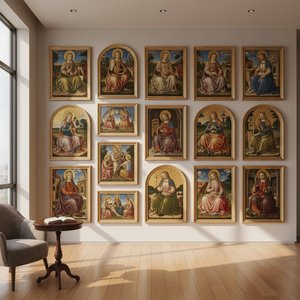
San Niccolò al Carmine: A Renaissance Gem in Siena
Nestled within the ancient walls of Siena, Italy, San Niccolò al Carmine stands as a testament to artistic brilliance and enduring faith. More than just a church building, it’s a portal into Sienese history—a vibrant tapestry woven with threads of medieval piety and the blossoming creativity of the Renaissance.
Originally conceived as a Carmelite monastery in the 14th century, the edifice has undergone transformations reflecting successive artistic movements. Its architectural design incorporates elements from both Gothic and Early Renaissance styles, creating a harmonious blend that speaks to Siena’s evolving cultural landscape. While precise records of its founding remain elusive, its importance grew steadily through patronage by influential families and religious orders committed to preserving sacred art.
- Collection Highlights: The church's artistic treasures are primarily defined by its breathtaking frescoes—a cornerstone of Sienese Renaissance painting. Domenico Beccafumi’s monumental “Fall of the Rebel Angels” dominates the nave, showcasing his masterful command of perspective and color palettes – a dramatic depiction capturing biblical narrative with unparalleled dynamism.
- Bernardino Fungai's Legacy: Explore paintings by Bernardino Fungai, an artist who bridged the gap between late Gothic traditions and the burgeoning Renaissance aesthetic. His works reveal subtle stylistic nuances, reflecting the gradual adoption of humanist ideals within Sienese artistic circles.
- A Window into Medieval Siena: Beyond the frescoes, a captivating collection of artworks dating back to the 14th century offers invaluable insights into early Sienese painting techniques and iconography. These pieces illuminate the spiritual fervor that characterized the era and contribute significantly to understanding Siena’s artistic heritage.
What distinguishes San Niccolò al Carmine is its role as the Oratory for the Contrada della Pantera, one of Siena's celebrated contrade—historic guilds that fiercely compete in the Palio horse race. This connection imbues the church with a palpable sense of community spirit and tradition, solidifying its place within Siena’s cultural identity.
Visitors embarking on a pilgrimage to San Niccolò al Carmine will discover an atmosphere steeped in tranquility—a space conducive to contemplation and appreciation of artistic masterpieces. Its secluded location enhances this serene ambiance, allowing visitors to immerse themselves fully in the beauty and significance of its artworks. It’s undeniably a destination for discerning art enthusiasts eager to delve deeper into Sienese culture and artistic history.
- Notable Exhibitions: San Niccolò al Carmine has hosted several exhibitions showcasing both Italian Renaissance art and international collaborations, attracting scholars and admirers from across the globe. Recent presentations focused on exploring themes of faith, morality, and artistic innovation—demonstrating the museum’s commitment to fostering intellectual discourse.
A visit to San Niccolò al Carmine isn't merely observing art; it’s experiencing a tangible link to Siena’s past – a captivating journey into the heart of Sienese artistic legacy.