

Цитадель власти и искусства эпохи Возрождения
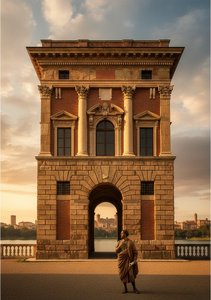
Палаццо Фарнезе предстает монументальным свидетельством амбиций и художественного видения династии Фарнезе, доминируя на римской Пьяцца Фарнезе своим внушительным фасадом и властным присутствием, внушающим почтение каждому, кто к нему приближается. Это архитектурное чудо — не просто сочетание камня и раствора; оно воплощает в себе столетия папской истории, глубокого меценатства и новаторских идей. Палацло приглашает зрителя в путешествие в эпоху Высокого Возрождения, где каждый камень, кажется, шепчет предания о могущественных фигурах, определявших судьбу Рима. Заказ на строительство был сделан в 1517 году Алессандро Фарнезе I, папой Павлом III, и дворец стал результатом редкого творческого союза титанов итальянской архитектуры. И хотя проект начал Антонио да Сангалло Младший, именно легендарный Микеланджело Буонарроти переосмыслил его структурные принципы своим новаторским карнизом — смелым отходом от господствующих стилей, ставшим вечным символом папского величия и архитектурного изысканства.
Рождение барочного мироощущения
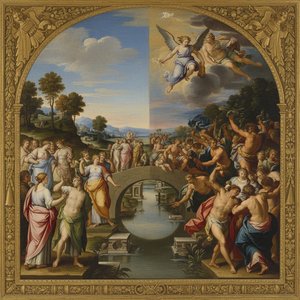
Переступая его порог, человек мгновенно переносится в мир, где миф и реальность переплетаются, что наиболее ярко проявляется в захватывающей дух Галерее Карраччи . Это пространство выходит за рамки обычного понимания галереи; это иммерсивный опыт, погружающий зрителя в мифологические сюжеты, наполненные ярким цветом, динамичной композицией и виртуозной техникой. Фрески, созданные между 1597 и 1608 годами Аннибале и Агостино Карраччи, знаменуют поворотный момент в истории искусства, возвещая о рождении барочного чувства. Эти произведения, изображающие сцены из «Метаморфоз» Овидия, используют революционные иллюзорные техники для создания ощущения безграничного пространства и театрального зрелища. Фигуры словно дышат, а их истории разворачиваются перед глазами зрителя в каскаде света и движения, который продолжает очаровывать как любителей искусства, так и историков. Ярчайшим примером такого эмоционального повествования является «Циклоп Полифем» , где мастерская игра света и драматическое напряжение демонстрируют зарю новой эры в европейской живописи.
Архитектурное великолепие и отголоски древности
Архитектурное великолепие палаццо проникает в самое его сердце, где внутренний двор украшен классическими колоннами, служащими осознанной отсылкой к греко-римским идеалам. Такое тщательное внимание к форме и функции свидетельствует о глубоком понимании архитекторами античного наследия. В Зале Геракла посетители соприкасаются с роскошным наследием семьи Фарнезе через великолепные гобелены и древние саркофаги, которые служат осязаемым доказательством того, что эти пышные интерьеры когда-то принимали самых влиятельных деятелей Европы. Даже под покровом ренессансного блеска недавние раскопки открыли удивительные сведения о римских истоках палаццо, обнаружив мозаичные полы с изображениями животных и акробатов, намекающие на глубокие пласты истории, скрытые в этом месте.
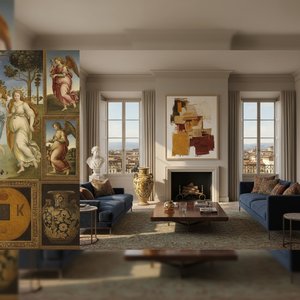
Сегодня Палаццо Фарнезе продолжает служить живым символом непреходящего культурного обмена. Хотя в настоящее время он функционирует как посольство Франции в Италии — что само по себе является свидетельством его роли в международных отношениях, — он остается важнейшим пунктом назначения для тех, кто стремится прикоснуться к колыбели западной цивилизации. Для коллекционеров и дизайнеров интерьеров палаццо представляет собой высший стандарт эстетического совершенства, где слияние структурной мощи и декоративной грации дарит бесконечное вдохновение. Он стоит не просто как реликт прошлого, но как сохранившийся шедевр, гарантирующий, что величие римского наследия останется доступным для будущих поколений.