Knole House: A Palimpsest of English History
Nestled within the sprawling deer park of Sevenoaks in Kent, Knole stands as a breathtaking testament to centuries of aristocratic ambition and artistic patronage—a veritable palimpsest where successive generations have layered their legacies upon one another, resulting in an architectural marvel that whispers tales of power, artistry, and enduring national identity. Managed with meticulous care by the National Trust since 1908, this magnificent country house offers visitors an unparalleled opportunity to immerse themselves in British history and appreciate the sublime beauty of its art collection. The very stones of Knole seem to hold echoes of past lives, a tangible connection to those who shaped England’s destiny—from Archbishop Robert Grosvenor, who envisioned a formidable fortress against invasion, to the Sackville family, whose vision transformed it into the opulent Elizabethan mansion we see today. The house is more than just bricks and mortar; it's a living chronicle of evolving tastes, architectural styles, and social aspirations.
Architectural Evolution: From Medieval Fortress to Renaissance Masterpiece
The story of Knole begins in the mid-fifteenth century when Archbishop Robert Grosvenor initiated the construction of a substantial manor house—a formidable medieval fortress designed as a strategic defense against potential invaders. This initial structure, characterized by its robust walls and imposing towers, laid the foundation for what was to come. However, over time, the building underwent dramatic transformations driven by successive families who sought to elevate their status and refine their aesthetic sensibilities. The Sackville family, who acquired Knole in 1603, embarked on an ambitious program of rebuilding and embellishment that culminated in the creation of the grand Elizabethan mansion we see today—a harmonious blend of medieval foundations overlaid with Tudor and Stuart additions. This architectural narrative is vividly reflected throughout the house’s interior spaces: the austere Great Hall retains its original timber frame and vaulted ceiling, a powerful reminder of its medieval origins, while opulent rooms adorned with gilded plasterwork and richly patterned fabrics showcase the grandeur and extravagance of the Elizabethan era. Notice particularly the subtle shifts in design—the use of lighter materials and more expansive windows during the Tudor period, reflecting a move towards greater openness and natural light. The Sackville family’s influence is most evident in the carefully proportioned rooms and the integration of classical motifs into the existing medieval framework.
Treasures Within Walls: Portraits by Van Dyck and Gainsborough – Windows to the Elite
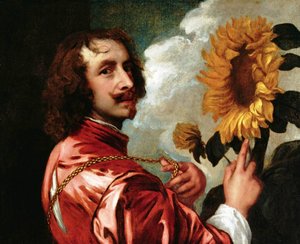
Knole's artistic treasures are undeniably a cornerstone of its appeal—a collection that boasts exceptional portraits by masters like Anthony van Dyck and Thomas Gainsborough. These canvases aren’t merely depictions of aristocratic figures; they are windows into the personalities and ambitions of Britain’s elite, capturing their regal authority with masterful use of light and shadow (Van Dyck) and revealing a more intimate understanding of their subjects—their vulnerabilities, their aspirations, and the subtle nuances of character (Gainsborough). Consider Van Dyck's portraits – his ability to convey both power and grace is remarkable. He expertly utilized chiaroscuro, creating dramatic contrasts between light and shadow that emphasized the sitter’s noble bearing. Conversely, Gainsborough’s works offer a more nuanced perspective, revealing the inner lives of his subjects with an unparalleled sensitivity. Standing before these portraits is akin to engaging in a silent dialogue with the past, contemplating the lives and legacies of those immortalized by brushstroke. Beyond portraiture, Knole's collection includes exquisite furniture crafted by renowned artisans—pieces that reflect the changing tastes and styles of each period, from intricately carved Tudor chests to elegantly inlaid Baroque tables. Tapestries depicting scenes from mythology and heraldry adorn the walls, adding layers of historical context and visual richness.
The Serene Sanctuary: Exploring the Deer Park
Beyond its architectural grandeur and artistic treasures, Knole distinguishes itself through its harmonious integration of history, art, and nature—a sprawling medieval deer park that encircles the house and provides a tranquil escape from the bustle of modern life. This vast expanse of woodland, teeming with wildlife, offers visitors a unique opportunity to connect with the natural world while simultaneously appreciating the estate’s rich historical narrative. Ancient trees provide shelter for a thriving population of deer, foxes, and birds, creating a serene landscape that evokes images of aristocratic hunts and contemplative strolls. The National Trust has thoughtfully curated family-friendly trails and interactive exhibits that bring the estate’s story to life for visitors of all ages—allowing them to appreciate not only Knole's architectural splendor but also its profound connection to the natural world. The park itself is a living museum, offering glimpses into past hunting practices, agricultural techniques, and the evolving relationship between humans and nature within this historic setting.
Legacy and Conservation: Guardians of British Heritage
Knole’s preservation stands as a testament to the vital work of the National Trust—an organization founded in 1895 by Octavia Hill, Sir Robert Hunter, and Hardwicke Rawnsley with the noble aim of protecting Britain’s cultural heritage for future generations. Today, it manages hundreds of historic properties across England, Wales, and Northern Ireland, safeguarding them from neglect and ensuring their accessibility to the public—a mission underpinned by a commitment to research, education, and sustainable practices that fosters a deeper understanding and appreciation for our shared past. Knole continues to inspire visitors with its captivating history and breathtaking beauty—a place where every stone, every canvas, every tree speaks volumes about England’s rich cultural heritage. The National Trust's dedication ensures that this remarkable estate will remain a vital resource for generations to come, offering a profound connection to the past while simultaneously celebrating the enduring power of art and architecture.