A Sanctuary of Faith and Art: Exploring the Museo Diocesano di Milano
Nestled within the historic heart of Milan, adjacent to the magnificent Basilica of Sant’Eustorgio, lies the Museo Diocesano – a treasure trove not just for art enthusiasts, but for anyone seeking a profound connection between faith, history, and artistic expression. Originally conceived in 1931 by Ildefonso Schuster as a dedicated repository for the extraordinary religious artworks amassed by the Archdiocese of Milan, the museum has evolved into a vibrant cultural institution, offering a uniquely intimate perspective on Lombardy’s spiritual heritage. Its story is one of careful preservation, thoughtful expansion, and a commitment to sharing its remarkable collection with the world.
The museum's journey began in a modest space within the former Dominican Order headquarters. However, it was Carlo Maria Martini’s vision in 2001 that truly transformed the Museo Diocesano into the stunning architectural statement it is today. The current building, located in Porta Ticinese, provides a breathtaking backdrop for the collection – a modern structure seamlessly integrated with the ancient walls of the basilica, creating a dialogue between past and present. This deliberate juxtaposition speaks volumes about the museum’s core mission: to honor its rich history while embracing contemporary engagement with art and faith.
A Tapestry of Lombardy's Sacred Art
The Museo Diocesano’s collection is remarkably focused, offering a deep dive into the artistic traditions of Lombardy. It’s not a sprawling encyclopedic museum; rather, it meticulously curates a narrative centered around the region’s religious art from the 4th to the 21st centuries. Central to this narrative are the masterpieces by Benozzo Gozzoli, whose frescoes depicting scenes from the life of St. Augustine are particularly captivating – their vibrant colors and dynamic compositions offer a glimpse into the artistic fervor of the Renaissance. Equally significant is the collection’s representation of Fra Angelico's delicate artistry; his pieces showcase an unparalleled mastery of light and shadow, imbuing each scene with profound spiritual resonance.
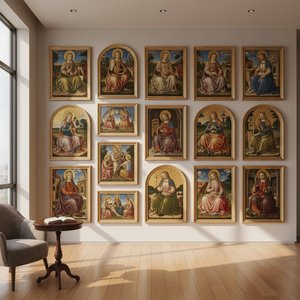
Beyond these established masters, the museum boasts intriguing connections to Leonardo da Vinci himself. Historical records reveal that Leonardo spent time in Milan during his formative years, and the Museo Diocesano houses artworks and documents offering valuable insights into his artistic context and influences. Furthermore, the collection includes a fascinating array of historical artifacts – reliquaries, liturgical objects, and vestments – providing tangible links to the spiritual life of Lombardy throughout the centuries. The museum’s holdings also include a significant collection of Gold Leaf panel paintings from Tuscany, meticulously assembled by Professor Alberto Crespi and donated to the museum, adding another layer of artistic richness.
Notable Exhibitions and Artistic Highlights
The Museo Diocesano isn't merely a static display of art; it actively engages with contemporary audiences through carefully curated exhibitions. A particularly noteworthy recent exhibition explored the works of Milan Milovanović, a key figure in Milanese Impressionism, whose evocative landscapes capture the city’s light and atmosphere with remarkable sensitivity. The museum also regularly hosts temporary exhibits featuring both established and emerging artists, ensuring that its collection remains dynamic and relevant. Don't miss the opportunity to view the Robert Capa exposition, which showcases his photography work.
A Unique Perspective on Faith and Art
What truly distinguishes the Museo Diocesano is its singular focus – a dedication to sacred art within a specific regional context. Unlike larger museums that attempt to encompass all of Western art history, this museum offers a deeply rooted understanding of faith’s influence on artistic expression in Lombardy. Its evolution from an archival project to a thriving cultural institution reflects a profound commitment to preserving and sharing this unique heritage. The tranquil cloisters, offering a space for reflection and contemplation, further enhance the museum's atmosphere, creating a truly immersive experience for visitors.
Planning Your Visit
Located conveniently near the historic Sant’Eustorgio church, the Museo Diocesano is easily accessible by foot, public transport, or car (with limited parking available nearby). Opening hours vary, so it's advisable to check the museum’s website for the most up-to-date information. A visit to this remarkable institution promises a rewarding journey through the heart of Milanese art and faith – a chance to connect with centuries of artistic tradition and spiritual reflection.