
Содержание
Краткая справка
- Mediums: акрил на холсте
- Featured artists:
- Леонардо да Винчи
- Leonardo da Vinci
- Diego Velázquez
- Giuseppe Arcimboldo
- Diego De Astor
- Historical periods: — ренессанс
- Works on APS: 8
- Ещё…
- Location: Мадрид, Испания
- Art types: настенный декор
- Alternate names: Biblioteca Nacional
Художники коллекции
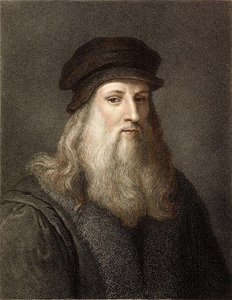
Леонардо Да Винчи
Познайте Леонардо да Винчи (1452-1519): гения Ренессанса, создавшего «Мону Лизу» и «Тайную вечерю»! Откройте для себя технику сфумато, его анатомические исследования и революционные изобретения.

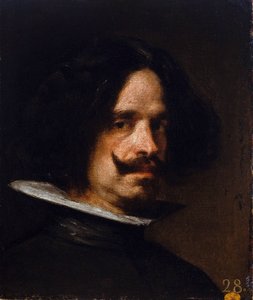
Диего Родригес де Сильва и Веласкес
Диего Веласкес – гений испанской живописи XVII века. Мастер света и тени, реализм и психологическая глубина в его портретах и исторических полотнах. Познайте мир «Las Meninas»!

Жозеф Арчимбольдо
Арчимбольдо – итальянский художник, известный своими сюрреалистическими портретами из фруктов, овощей и книг. Его уникальный стиль предвосхитил сюрреализм и поражает воображение!
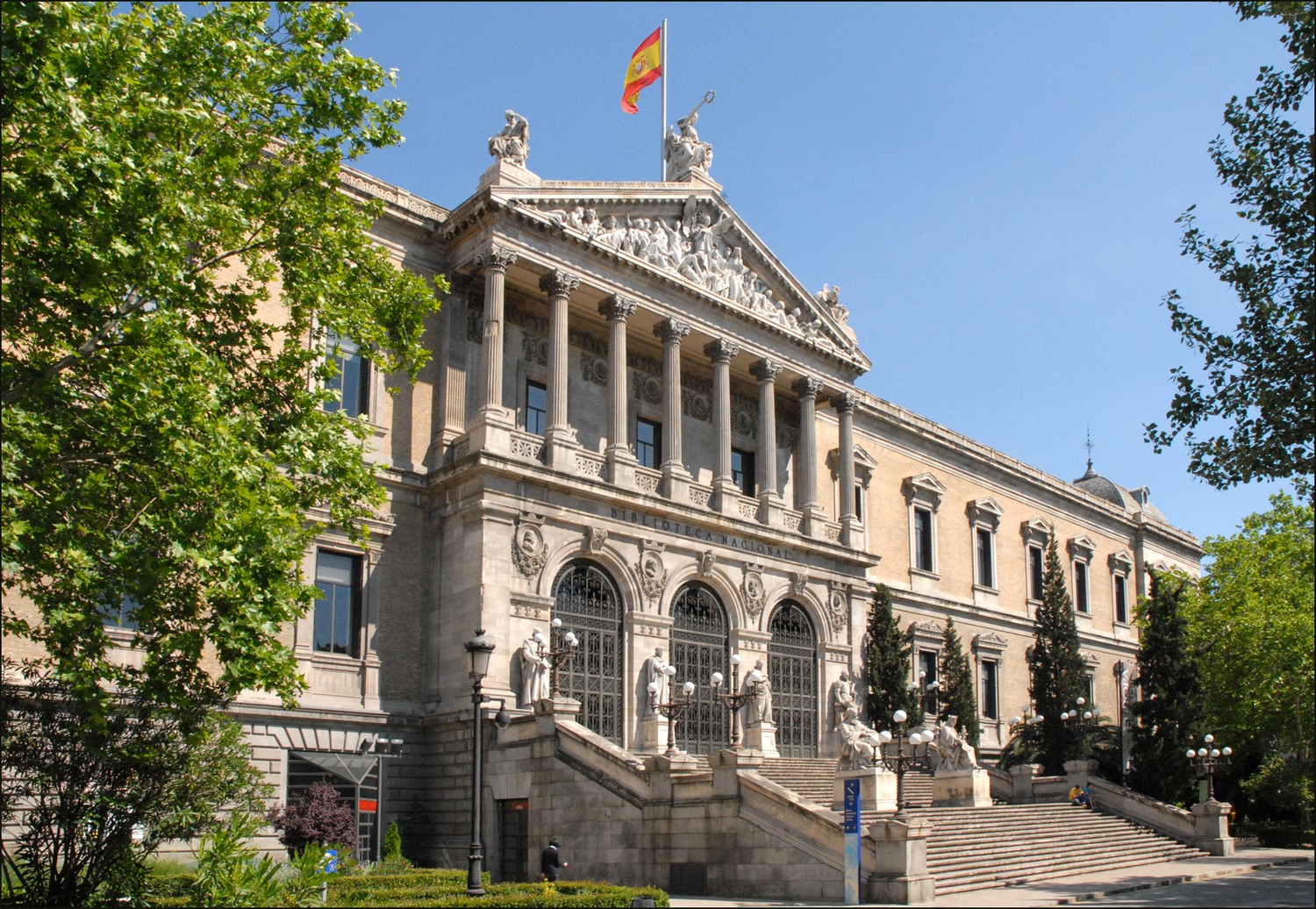
Викторина по искусству
В каждом вопросе только один правильный ответ.
Вопрос № 1:
Как называется национальная библиотека Испании?
Вопрос № 2:
Когда была основана Библиотека Национальная Испании?
Вопрос № 3:
Кто был первым королем, который основал Библиотеку Национальную Испании?
Вопрос № 4:
Какое здание является главным местом расположения Библиотеки Национальной Испании?
Вопрос № 5:
Библиотека Национальная сотрудничает с каким другим музеем в Испании?
Похожие статьи
25 Шедевров Национальной Галереи Лондона: Искусство для Вашего Дома | OriginalUniqueArt
Откройте для себя 25 шедевров Национальной галереи Лондона! Узнайте истории Ван Гога, Моне и Рембрандта. Купите репродукции картин на холсте высокого качества для вашего дома. Вдохновение и искусство – OriginalUniqueArt.com
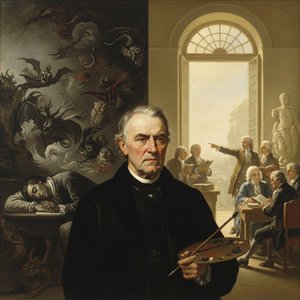
Francisco Goya: Darkness & Enlightenment – A Comprehensive Exploration of the Artist's Life, Works, and Enduring Legacy
Explore the life & works of Francisco Goya, Spain's Romantic master. Discover his evolution from court painter to a visionary chronicler of war and social injustice. A comprehensive guide for art enthusiasts.

Топ-25 шедевров Гойи: от придворного портрета до мрачных пророчеств | OriginalUniqueArt
Погрузитесь в мир гения Франсиско Гойи! 🎨 От придворных портретов до мрачных "Капричос" – исследуйте топ-25 шедевров испанского романтизма. Купите репродукции картин Гойи музейного качества на OriginalUniqueArt.com и украсьте свой интерьер искусством.
Коллекция произведений искусства Национальная библиотека Испании
Произведения искусства не найдены.