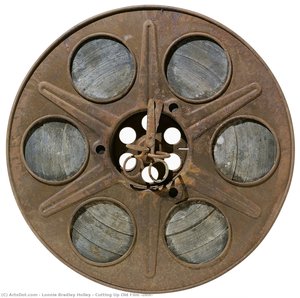
Lonnie Holley: The Sand Man – A Life Sculpted From Found Materials
Lonnie Holley, born February 10, 1950, in Birmingham, Alabama, is more than just an artist; he’s a testament to the resilience of the human spirit and the transformative power of creativity. His journey, deeply rooted in the complexities of the Jim Crow South, has blossomed into a globally recognized artistic practice encompassing assemblage sculpture, immersive environments, and profoundly moving music—a narrative sculpted by hardship, loss, and an unwavering commitment to self-expression. He’s not one for formal training or privileged access; his story is a chronicle etched by circumstance, fueled by instinct, and illuminated by an incandescent inner voice.Early Life: From Foster Homes to Whiskey Houses
Lonnie Bradley Holley's childhood was marked by instability—a formative experience shaped by the turbulent realities of post-war Alabama. At five years old, he entered the foster care system after his mother placed him in the temporary care of a woman working as a burlesque dancer at a carnival. This initial upheaval continued as Holley moved between several foster homes, encountering diverse caregivers and navigating unfamiliar environments—picking up trash at drive-in theaters, washing dishes, cooking—and finding refuge in unconventional places like a whiskey house on the state fairgrounds and the Alabama Industrial School for Negro Children ("Mt. Meigs"). These experiences weren’t merely biographical details; they became the bedrock of his artistic vision, imbuing his sculptures with an authenticity that resonates deeply with viewers—a visceral understanding born from confronting adversity firsthand. He recounted tales of being struck by a car at 12 years old and subsequently incarcerated for violating curfew, highlighting the formative impact of societal pressures on his young life. These early encounters instilled in him a profound appreciation for resourcefulness and a determination to forge his own path despite obstacles.The Genesis of Creation: Grief and Stone
A pivotal moment arrived in 1979 when Holley began carving tombstones for his sister’s children who tragically perished in a fire—an act of mourning that unexpectedly unlocked his artistic vocation. Driven by grief, he embarked on a quest to honor their memory using readily available materials: sandstone-like remnants from a local foundry—a byproduct of Birmingham's industrial heritage. He described this discovery as “something like divine intervention,” attributing it to a guiding hand leading him toward a new form of expression. This wasn’t simply finding a medium; it was encountering a voice waiting to be unleashed—the intuitive impulse to transform raw material into something beautiful and meaningful. The act of shaping these stones into memorials became a catalyst for broader artistic exploration, transforming discarded objects into powerful expressions of remembrance and loss. He approached the sandstone not with preconceived notions but allowed its texture and form to dictate his creative process—a technique that would become central to his distinctive sculptural style.Assemblage Art: Transforming Waste Into Wonder
Holley’s artistic practice is fundamentally rooted in assemblage – the art of constructing sculptures from disparate found objects. Metal scraps, weathered wood fragments, discarded stones, everyday detritus—these aren't merely materials to Holley; they are vessels carrying stories, memories, and echoes of past lives. His process isn’t about imposing a vision onto these objects but rather allowing them to reveal their potential through intuitive arrangement and connection. He eschews meticulous planning, instead responding directly to the inherent qualities of each material—its color, texture, weight, and history—creating sculptures that are as much about process as they are about outcome. This improvisational approach extends beyond sculpture into his musical endeavors as well—a reflection of his belief in embracing spontaneity and honoring the unpredictable rhythms of life. His music blends spoken word, improvisation, and blues influences, crafting sonic landscapes as evocative and emotionally resonant as his sculptures.Recognition and Legacy: A Voice From The South
Lonnie Holley’s work has garnered significant acclaim within the art world—recognized for its uncompromising honesty and its profound engagement with themes of grief, memory, racial injustice, and spiritual contemplation. His sculptures are held in collections of major museums across the United States, including the Birmingham Museum of Art, The Halsey Institute of Contemporary Art, The Metropolitan Museum of Art, and The National Gallery of Art—a testament to his enduring influence on contemporary art. He is associated with Thornton Dial, Ronald Lockett, and Joe Minter, fellow self-taught artists who share a similar aesthetic sensibility and thematic focus within the American South’s artistic landscape. Holley's story exemplifies the transformative power of creativity—demonstrating how art can emerge from hardship and how authenticity can transcend conventional boundaries. He stands as an inspiring figure for aspiring artists everywhere—a beacon for those who find their voice through unconventional methods and perspectives, reminding us that beauty can be born from unexpected sources.Вопросы и ответы
Как менялось творчество Ло́нни Хо́лли с течением времени?
Творческий путь Ло́нни Хо́лли раскрывается период за периодом на странице Хроника: это горизонтальная временная шкала произведений, разделенная на главы по этапам карьеры.
Можно ли просматривать работы Ло́нни Хо́лли по цветовой палитре?
Чтобы найти работы Ло́нни Хо́лли в определенной цветовой гамме, воспользуйтесь страницей По цветовым палитрам художника.
Можно ли искать работы Ло́нни Хо́лли по ключевым словам?
Работы Ло́нни Хо́лли можно изучать по ключевым словам на странице художника По ключевым словам. Каждое ключевое слово объединяет соответствующие произведения искусства.